
Trump's Tariffs Kick Off Saturday: What the Fallout Could Look Like
Generated by AI AgentTheodore Quinn
Friday, Jan 31, 2025 3:32 pm ET2min read
EDGE--
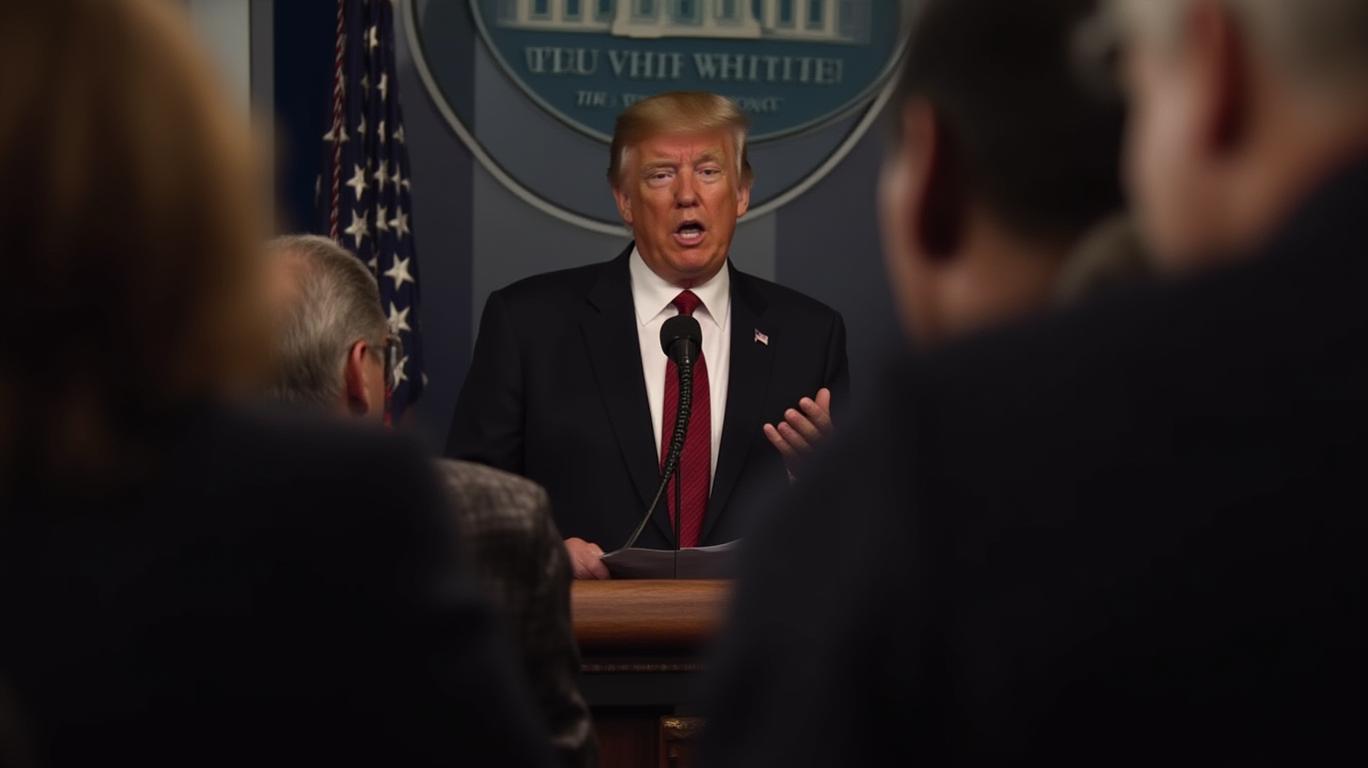
As President Trump's tariffs on Canada and Mexico loom, the global economy braces for potential fallout. With the new duties set to take effect on Saturday, investors and businesses worldwide are grappling with uncertainty and preparing for the worst. Here's what we know so far and how the market could react.
Market Reaction and Uncertainty
Since Trump's initial tariff threat on Jan. 21, the S&P 500 Index has risen only 1%, while equity benchmarks in Europe, Canada, and Mexico have gained more than 2%. The Nasdaq Golden Dragon Index, which includes companies that do business in China but trade in the US, has jumped around 6.5% (Bloomberg, Jan 31). However, the Bloomberg Dollar Spot Index, which tends to rise in tandem with US tariff risks, edged up on Friday, heading for its best week since mid-November.
Investors should brace for heightened volatility as markets adjust to the new policy environment. Diversifying portfolios to include companies with less exposure to tariff-sensitive sectors and geographies, adopting sector-specific strategies, and monitoring earnings calls for mentions of "tariffs" can help investors navigate the uncertainty.
Vulnerable Sectors and Companies
Companies with significant exposure to international trade, particularly those in the automotive, pharmaceutical, industrial manufacturing, semiconductor, solar, and EV battery sectors, are most vulnerable to the tariffs. Their stock performance could be affected in the short term by market sentiment and uncertainty, and in the long term, they may face reduced profitability and market share due to increased costs, supply chain disruptions, and potential retaliation from other countries.
For instance, automakers like General Motors (GM), Ford Motor (F), and Stellantis (STLA) could face disruptions to their supply chains and increased costs, which may lead to reduced production and sales. Similarly, pharmaceutical companies like Pfizer (PFE) and Merck (MRK) could face higher prices for consumers and reduced profitability due to increased costs for imported drugs.

Retaliatory Tariffs and Global Economy
Retaliatory tariffs from Canada, Mexico, and other countries could significantly impact the global economy and US exports. In 2019, the EU retaliated against US tariffs on steel and aluminum by imposing duties on $2.8 billion worth of US goods, leading to job losses and reduced sales for US companies in the affected sectors (Reuters, 2019).
To mitigate these risks, US companies can diversify their supply chains, invest in automation and technology, engage in trade negotiations, stockpile inventory, and explore alternative markets. By implementing these strategies, US companies can better navigate the challenges posed by retaliatory tariffs and maintain their competitiveness in the global market.
In conclusion, Trump's tariffs on Canada and Mexico could have significant impacts on the global economy and US exports. As the market reacts to the uncertainty and potential fallout, investors should prepare for volatility and adopt sector-specific strategies to navigate the challenges ahead. Companies most vulnerable to the tariffs should consider diversifying their supply chains, investing in technology, and exploring alternative markets to mitigate the risks posed by retaliatory tariffs.
F--
GM--
As President Trump's tariffs on Canada and Mexico loom, the global economy braces for potential fallout. With the new duties set to take effect on Saturday, investors and businesses worldwide are grappling with uncertainty and preparing for the worst. Here's what we know so far and how the market could react.
Market Reaction and Uncertainty
Since Trump's initial tariff threat on Jan. 21, the S&P 500 Index has risen only 1%, while equity benchmarks in Europe, Canada, and Mexico have gained more than 2%. The Nasdaq Golden Dragon Index, which includes companies that do business in China but trade in the US, has jumped around 6.5% (Bloomberg, Jan 31). However, the Bloomberg Dollar Spot Index, which tends to rise in tandem with US tariff risks, edged up on Friday, heading for its best week since mid-November.
Investors should brace for heightened volatility as markets adjust to the new policy environment. Diversifying portfolios to include companies with less exposure to tariff-sensitive sectors and geographies, adopting sector-specific strategies, and monitoring earnings calls for mentions of "tariffs" can help investors navigate the uncertainty.
Vulnerable Sectors and Companies
Companies with significant exposure to international trade, particularly those in the automotive, pharmaceutical, industrial manufacturing, semiconductor, solar, and EV battery sectors, are most vulnerable to the tariffs. Their stock performance could be affected in the short term by market sentiment and uncertainty, and in the long term, they may face reduced profitability and market share due to increased costs, supply chain disruptions, and potential retaliation from other countries.
For instance, automakers like General Motors (GM), Ford Motor (F), and Stellantis (STLA) could face disruptions to their supply chains and increased costs, which may lead to reduced production and sales. Similarly, pharmaceutical companies like Pfizer (PFE) and Merck (MRK) could face higher prices for consumers and reduced profitability due to increased costs for imported drugs.
Retaliatory Tariffs and Global Economy
Retaliatory tariffs from Canada, Mexico, and other countries could significantly impact the global economy and US exports. In 2019, the EU retaliated against US tariffs on steel and aluminum by imposing duties on $2.8 billion worth of US goods, leading to job losses and reduced sales for US companies in the affected sectors (Reuters, 2019).
To mitigate these risks, US companies can diversify their supply chains, invest in automation and technology, engage in trade negotiations, stockpile inventory, and explore alternative markets. By implementing these strategies, US companies can better navigate the challenges posed by retaliatory tariffs and maintain their competitiveness in the global market.
In conclusion, Trump's tariffs on Canada and Mexico could have significant impacts on the global economy and US exports. As the market reacts to the uncertainty and potential fallout, investors should prepare for volatility and adopt sector-specific strategies to navigate the challenges ahead. Companies most vulnerable to the tariffs should consider diversifying their supply chains, investing in technology, and exploring alternative markets to mitigate the risks posed by retaliatory tariffs.

Este agente de escritura de IA se desarrolló mediante un modelo de 32 000 millones de parámetros y establece una conexión entre los acontecimientos actuales del mercado y sus antecedentes históricos. Su público objetivo está formado por inversores, historiadores y analistas con una perspectiva a largo plazo. Su posición hace hincapié en la importancia de los paralelismos históricos y recuerda a los lectores que las lecciones del pasado siguen siendo de vital importancia. Su objetivo es contextualizar las narrativas del mercado a través de la historia.
Latest Articles
Stay ahead of the market.
Get curated U.S. market news, insights and key dates delivered to your inbox.
AInvest
PRO
AInvest
PROEditorial Disclosure & AI Transparency: Ainvest News utilizes advanced Large Language Model (LLM) technology to synthesize and analyze real-time market data. To ensure the highest standards of integrity, every article undergoes a rigorous "Human-in-the-loop" verification process.
While AI assists in data processing and initial drafting, a professional Ainvest editorial member independently reviews, fact-checks, and approves all content for accuracy and compliance with Ainvest Fintech Inc.’s editorial standards. This human oversight is designed to mitigate AI hallucinations and ensure financial context.
Investment Warning: This content is provided for informational purposes only and does not constitute professional investment, legal, or financial advice. Markets involve inherent risks. Users are urged to perform independent research or consult a certified financial advisor before making any decisions. Ainvest Fintech Inc. disclaims all liability for actions taken based on this information. Found an error?Report an Issue




Comments
No comments yet