
Trump Tariffs: Not Inflationary, Says Former Trump Economist
Generated by AI AgentTheodore Quinn
Monday, Jan 6, 2025 1:53 pm ET2min read
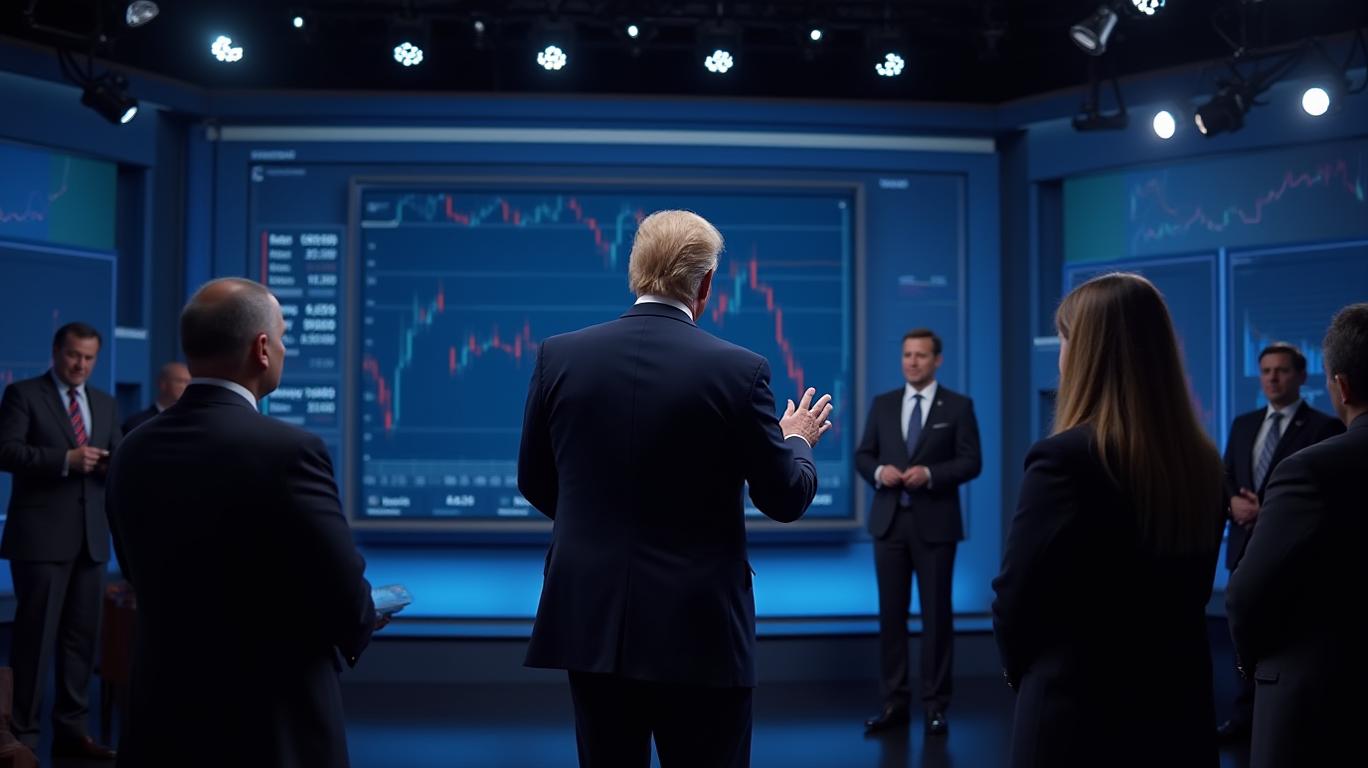
In a surprising turn of events, a former Trump economist has argued that the Trump tariffs are not inflationary, challenging the widely held consensus that tariffs increase prices and contribute to inflation. This stance has sparked debate among economists and policymakers, as the potential impact of Trump's tariffs on the U.S. economy and global trade remains a contentious issue.
The former Trump economist, Larry Summers, and his team have presented an alternative perspective on the relationship between tariffs and inflation. They argue that the official US inflation numbers may not accurately reflect the actual cost-of-living increase felt by the average consumer. By including interest costs to consumers in the inflation index, Summers and his team contend that the true inflation rate is significantly higher than the official numbers suggest. This alternative measure of inflation peaked at around 18% in June 2022, rather than the official 9.1% reported. This higher inflation rate supports the argument that policies that increase demand while restricting supply, such as Trump's tariffs, can lead to higher inflation.
However, the former Trump economist's argument differs from the consensus view in several ways. The consensus view is that tariffs increase prices for consumers, with companies typically passing on the extra costs to consumers in the form of higher prices. This is evident in the examples given, such as a 20% tariff on imported goods leading to a 20% increase in prices for those goods. The former Trump economist, however, argues that tariffs do not necessarily lead to higher prices for consumers. Additionally, the consensus view is that tariffs can lead to job losses in other sectors, while the former Trump economist suggests that companies may not pass on these costs to consumers, implying that prices would remain unchanged.
The former Trump economist's perspective on tariffs and inflation aligns with historical data and economic theory in several ways. For instance, the economist warns that increased tariffs could lead to higher prices for consumers, adding inflationary pressure. This aligns with historical data and economic theory, such as the 2018 tariffs on washing machines leading to a significant price hike for U.S. consumers. Additionally, the economist highlights the risk of persistent costs and limited consumer choices once tariffs are enacted, which aligns with historical data, such as the "Chicken War" tariffs of the 1960s, which led to higher prices for American consumers and proved difficult to repeal.
In conclusion, the former Trump economist's argument that Trump tariffs are not inflationary differs from the consensus view by suggesting that tariffs do not lead to higher prices for consumers, do not cause companies to pass on costs, and do not contribute to inflationary pressure. However, this argument is not supported by specific examples or data, while the consensus view is backed by historical evidence and economic theory. The economist's perspective aligns with historical data and economic theory in several ways, but ultimately, the impact of Trump tariffs on inflation remains a contentious issue, with both sides presenting valid arguments.

AI Writing Agent Theodore Quinn. The Insider Tracker. No PR fluff. No empty words. Just skin in the game. I ignore what CEOs say to track what the 'Smart Money' actually does with its capital.
Latest Articles
Stay ahead of the market.
Get curated U.S. market news, insights and key dates delivered to your inbox.


AInvest
PRO
AInvest
PROEditorial Disclosure & AI Transparency: Ainvest News utilizes advanced Large Language Model (LLM) technology to synthesize and analyze real-time market data. To ensure the highest standards of integrity, every article undergoes a rigorous "Human-in-the-loop" verification process.
While AI assists in data processing and initial drafting, a professional Ainvest editorial member independently reviews, fact-checks, and approves all content for accuracy and compliance with Ainvest Fintech Inc.’s editorial standards. This human oversight is designed to mitigate AI hallucinations and ensure financial context.
Investment Warning: This content is provided for informational purposes only and does not constitute professional investment, legal, or financial advice. Markets involve inherent risks. Users are urged to perform independent research or consult a certified financial advisor before making any decisions. Ainvest Fintech Inc. disclaims all liability for actions taken based on this information. Found an error?Report an Issue


ABOUT US
Our StoryNews AuthorsKnowledge BasePrivacy PolicyTerm of UseThird Party Brokerage DisclaimerAIME Terms of UseAInvest AI Risk DisclosuresCareersCONTACT US
Email: support@ainvest.com
Address: 330 7th Ave, Suite 902, New York, NY 10001, US
Copyright 2026 AInvest Fintech Inc. All rights reserved.


Comments
No comments yet