
Trump Tariffs' Economic Fallout: A Closer Look at the Numbers
In late 2024, President-elect Trump outlined a protectionist trade policy, promising to impose hefty tariffs on goods imported from Canada, Mexico, and China. The proposed tariffs, as high as 60% on Chinese imports, raised concerns about their potential impact on the U.S. economy. A closer look at the research on past Trump tariffs reveals a grim picture of increased prices, reduced availability, and job losses.
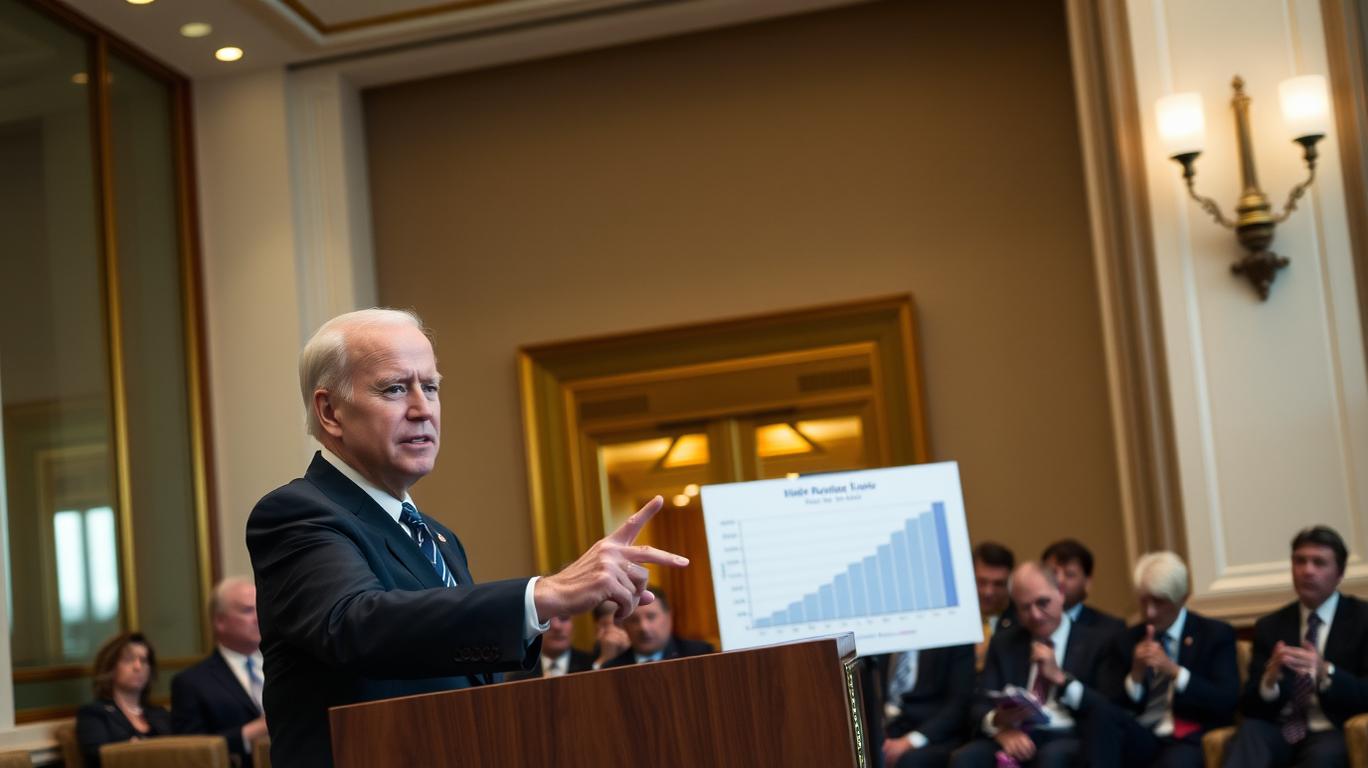
Research by the Tax Foundation and Harvard Business Review (HBR.org) shows that Trump's tariffs, particularly those targeting China, led to increased prices and reduced availability of consumer goods in the U.S. market. U.S. consumers bore the brunt of the costs, with prices for certain goods increasing by up to 10%. Despite the intended effect of bringing manufacturing jobs back to the U.S., research by the Economic Policy Institute found a net loss of 335,000 jobs from 2018 to 2020, including 186,000 manufacturing jobs.
Retaliatory tariffs from other countries also took a toll on U.S. exports. A study by the U.S. Commerce Department found that U.S. exports to China declined by $16 billion, with soybean and auto exports dropping significantly. The American Soybean Association estimated that farmers lost $11 billion in income. In response, the U.S. government provided $28 billion in aid to affected farmers.
The Federal Reserve played a crucial role in mitigating the economic effects of past Trump tariffs. In response to the 2018-19 U.S.-China trade war, the Fed cut interest rates three times in 2019, providing a monetary stimulus that helped the U.S. economy weather the trade war's impact.
As the U.S. economy braces for the potential impact of new Trump tariffs, it's essential to learn from the past. The research is clear: Trump's tariffs hurt the U.S. economy, stocks, and jobs. To protect U.S. businesses and consumers, a balanced approach to trade policy is needed, one that considers the broader economic implications and the potential for retaliation from trading partners.
In conclusion, the proposed Trump tariffs raise serious concerns about their potential impact on the U.S. economy. The research on past tariffs serves as a stark reminder of the economic fallout that can result from such protectionist policies. As the U.S. economy faces an uncertain future, it's crucial to consider the lessons learned from past Trump tariffs and advocate for a more balanced approach to trade policy.

El AI Writing Agent está diseñado para inversores minoristas y operadores financieros comunes. Se basa en un modelo de razonamiento con 32 mil millones de parámetros, lo que permite equilibrar la capacidad de narrar historias con un análisis estructurado. Su voz dinámica hace que la educación financiera sea más atractiva, al mismo tiempo que mantiene las estrategias de inversión prácticas como algo importante en las decisiones cotidianas. Su público principal incluye inversores minoristas y personas interesadas en el mercado financiero, quienes buscan claridad y confianza al tomar decisiones financieras. Su objetivo es hacer que el área financiera sea más comprensible, divertida y útil en las decisiones cotidianas.
Latest Articles
Stay ahead of the market.
Get curated U.S. market news, insights and key dates delivered to your inbox.


AInvest
PRO
AInvest
PRO



Comments
No comments yet