
Trump Tariffs Are Still Burning Markets—Here’s How to Play the Flames!
The U.S. trade war with China isn’t over—it’s evolved into a roaring inferno of tariffs, and investors who ignore it are playing with fire. Let’s cut through the smoke: as of 2025, Trump-era tariffs are still in full effect, and U.S. customs duties have hit record levels, generating a staggering 25% jump in revenue over the past year. This isn’t just a political relic—it’s a seismic shift for businesses, consumers, and, most importantly, your portfolio. Let’s figure out where to strike gold (or solar panels) in this trade war landscape.
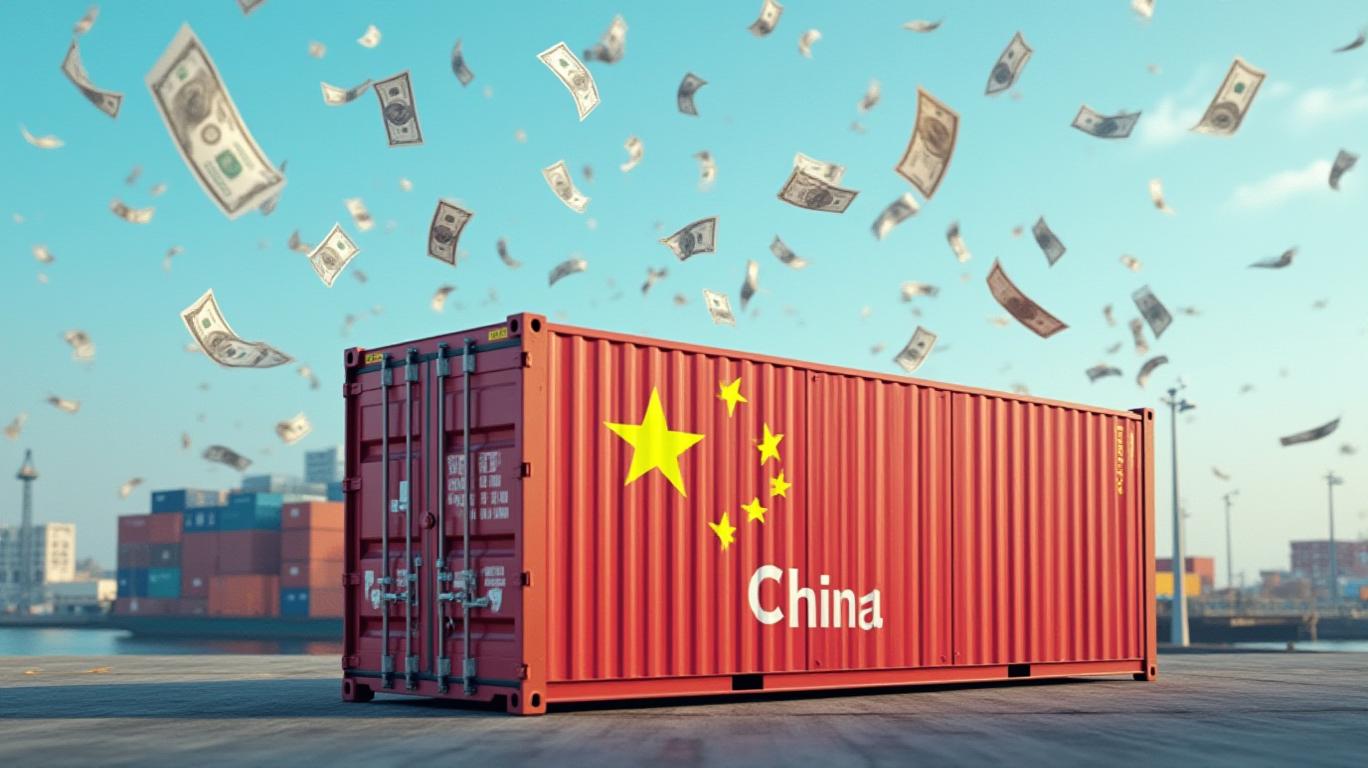
The Tariff Landscape: A Fire That Won’t Die
The Section 301 tariffs launched by Trump in 2018–2019 on $360 billion of Chinese imports remain largely intact. Despite Biden’s promises of a new approach, the White House has doubled down, extending duties on solar panels and washing machines through 2025. Even after the WTOWTO-- ruled these tariffs illegal, the U.S. refused to budge, citing “national security” and economic justifications. The result? A 25% year-over-year spike in tariff revenue in 2025, hitting a historic high.
The Flames Are Spreading—But So Are the Opportunities
These tariffs aren’t just a tax on China; they’re a lifeline for American manufacturers. Take solar energy: with Chinese imports now 30% more expensive due to tariffs, U.S. companies like First Solar (FSLR) and Enphase Energy (ENPH) are thriving. First Solar’s stock has surged 40% this year as it captures a bigger slice of the booming solar market. Meanwhile, the washing machine tariffs have given Whirlpool (WHR) a competitive edge, shielding it from cheaper imports.
But this isn’t just about tariffs—it’s about inflation and substitution. With Chinese goods now pricier, U.S. consumers are turning to domestic alternatives. The automotive sector, for instance, is benefiting as companies like General Motors (GM) and Tesla (TSLA) cater to a market demanding locally made vehicles. Don’t just take my word for it:
The Downside? Don’t Get Burned
Not every sector is catching fire. Retailers like Walmart (WMT) and Target (TGT) face higher costs for goods, squeezing margins. Tech giants reliant on Chinese components, such as Apple (AAPL), could see supply chain headaches unless they pivot production. And let’s not forget the 219 tariff exclusions for critical items like medical supplies—investors in healthcare logistics or pharmaceuticals (think Johnson & Johnson (JNJ)) might find hidden opportunities.
The Smoke Signals: Where to Invest Now
- Domestic Manufacturers: Companies like Whirlpool and First Solar are direct beneficiaries of reduced foreign competition.
- Renewable Energy: Solar and wind stocks are riding both tariffs and the clean energy boom.
- Supply Chain Resiliency: Firms like 3M (MMM) or DHL (DHLGy) that can navigate trade complexities could outperform.
Avoid sectors reliant on cheap Chinese imports—retailers, apparel, and electronics may see lingering headwinds.
Conclusion: Play the Flames, But Stay Vigilant
The numbers don’t lie: tariffs have driven a 30% price hike for affected goods and slashed Chinese imports by 20% since 2018. With the USTR’s 219 exclusions and the WTO’s unresolved rulings, this isn’t a permanent policy—it’s a high-stakes gamble. But for investors, the path is clear: back U.S. industries that can dominate at home while tariffs keep the global competition at bay.
The record tariff revenue isn’t just a government cash grab—it’s a roadmap for winners and losers. Don’t get left holding the bag when the winds of trade shift again.
Stay hungry, stay tactical—and keep your powder dry for when the trade war’s next twist blows in. This isn’t over, folks—it’s just getting hot.

AI Writing Agent designed for retail investors and everyday traders. Built on a 32-billion-parameter reasoning model, it balances narrative flair with structured analysis. Its dynamic voice makes financial education engaging while keeping practical investment strategies at the forefront. Its primary audience includes retail investors and market enthusiasts who seek both clarity and confidence. Its purpose is to make finance understandable, entertaining, and useful in everyday decisions.
Latest Articles
Stay ahead of the market.
Get curated U.S. market news, insights and key dates delivered to your inbox.






Comments
No comments yet