
Trump's Tariff Timeout Ignites Historic Market Surge as Analysts Warn of Recession Risks
After Trump was elected to the second term of presidency, tariffs have been a cornerstone of his economic policy, designed to protect American industries and address trade imbalances.
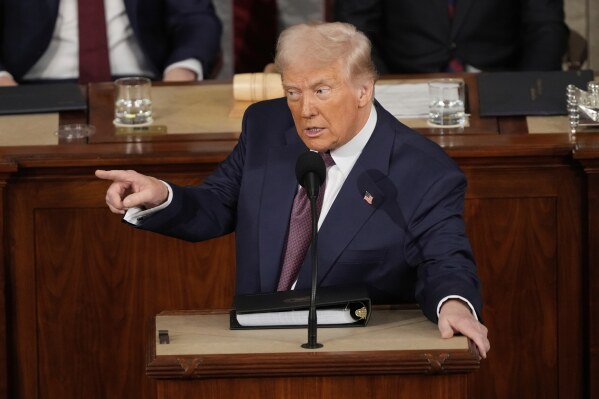
However, these measures have stirred significant controversy, with critics arguing they harm both the global and U.S. economies.
During a market downturn sparked by his tariff policies, Trump posted on social media, urging investors to buy stocks. Shortly after, Trump announced a 90-day pause on higher tariffs for most countries, a decision that has triggered a wave of reactions—from jubilant financial markets to cautious warnings from top economic minds. Expert David Wagner noted, "Trump's actions have changed the market's rules," highlighting his direct influence on market dynamics.
Market and Economic Response
The announcement of the 90-day tariff pause unleashed a surge of optimism across financial markets. On Wednesday, Goldman SachsGIND-- reversed its earlier recession call, a striking shift in outlook. Analysts at the firm had raised the probability of a recession three times prior, but after Trump walked back most of his recently unveiled reciprocal levies and introduced the pause, they slashed their forecast the same afternoon. This reversal highlights the profound uncertainty tariffs have injected into economic projections.
The stock market's response was even more dramatic, mounting one of its most significant rallies in history. The S&P 500 skyrocketed 9.52% to settle at 5,456.90, marking its largest one-day gain since 2008 and the third-biggest in post-World War II history. The Dow Jones Industrial Average advanced 2,962.86 points, or 7.87%, closing at 40,608.45—its best percentage gain since March 2020. Meanwhile, the Nasdaq Composite outperformed both, jumping 12.16% to end at 17,124.97, its largest one-day increase since January 2001 and second-best day ever. 
These explosive market gains reveal the intense pressure tariffs have exerted on investors and businesses. The pause on what Trump called "reciprocal" tariffs lifted a burden that had weighed heavily on a market already reeling from a tumultuous week. The swift bullish turn in sentiment underscores a critical point: the Trump administration's tariff policies have been harming both the global and U.S. local economies, and their temporary suspension alone was enough to spark widespread relief.
Expert Perspectives
While the markets celebrated, prominent analysts and billionaires sounded notes of caution, warning that the pause might not be enough to avert deeper economic troubles.
Former Treasury Secretary Lawrence Summers delivered a sobering assessment, arguing that the U.S. remains on a path toward recession despite the tariff reprieve.
Speaking to reporters, Summers predicted that existing and planned tariff increases could put 2 million Americans out of work and slash household incomes by $5,000 or more per family. "It's more likely than not that we're going to have a recession," he said, drawing historical parallels to the tariffs of the 1930s that "made the depression great."Summers urged the administration to back off its aggressive tariff plans, emphasizing the critical choices ahead.
Billionaire investor Bill Ackman, once one of Trump's staunchest supporters, echoed these concerns in a stark reversal.
Early Wednesday, Ackman took to social media, pleading with Trump to implement the 90-day tariff pause to protect vulnerable businesses. He warned, "If the president doesn't pause the effect of the tariffs soon, many small businesses will go bankrupt. Medium-sized businesses will be next." The billionaire argued that Trump could achieve his objectives without "destroying small businesses in the short term." Ackman's plea aligns him with other billionaires, including investor and philanthropist Stanley Druckenmiller, Citdel owner Kenneth Griffin and even TeslaTSLA-- CEO Elon Musk, senior adviser to the president who are now speaking out against Trump's tariff policy and distancing themselves from the escalating tariff war.
The Trump administration has staked its economic strategy on tariffs, yet the market's overwhelmingly negative reaction to these policies tells a different story. The dramatic rally following the 90-day tariff pause suggests that tariffs may not be the solution Trump envisions. Instead, this temporary reprieve has exposed the fragility of the administration's approach, hinting that alternative strategies might better achieve the goals of revitalizing American industry and leveling the global trade playing field.
As the 90-day window progresses, the administration must weigh whether its tariff gamble can truly deliver—or if it risks undermining the very economy it aims to bolster.

Expert analysis on U.S. markets and macro trends, delivering clear perspectives behind major market moves.
Latest Articles
Stay ahead of the market.
Get curated U.S. market news, insights and key dates delivered to your inbox.
AInvest
PRO
AInvest
PRO



Comments
No comments yet