
Trump's Tariff Talk: A New Chapter in Trade Relations
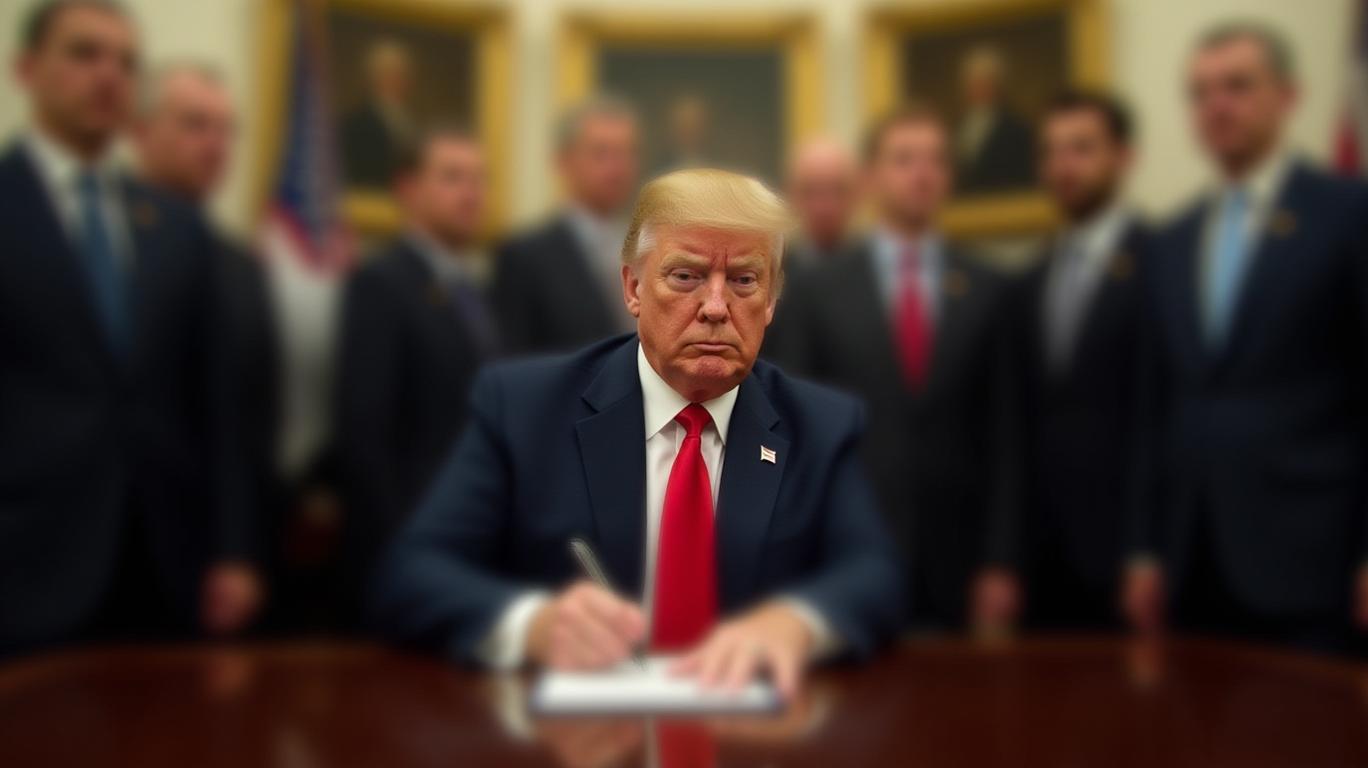
As President Trump signs off on new tariffs, the global trade landscape shifts once again. The U.S. has imposed 25% tariffs on most goods imported from Mexico and Canada, with energy products from Canada facing a lesser 10% tariff. Additionally, a 10% additional tariff has been placed on all goods from China, set to take effect on February 4. The White House states that these actions aim to advance U.S. priorities on immigration and drug trafficking, though specific goals for lifting the tariffs remain unspecified.
These tariffs create significant uncertainty in economic and market outlooks. Initially, strategists believed that substantial tariff hikes on Canada and Mexico were unlikely due to their potential negative impact on North American growth. They had assumed a substantial tariff hike from 20% to 50% on imports from China, which was incorporated in their inflation outlook.
If the tariffs on Mexico and Canada are imposed for a prolonged period, strategists expect to lower their expectations for U.S. economic growth by 0.5% to 1% and increase their inflation outlook by the same amount. They anticipate elevated stock market volatility as investors grapple with the implications, given that U.S. large-cap equities are trading at premium valuations. Additionally, they expect continued U.S. dollar strength relative to major trading partners and even greater economic impacts on Mexico and Canada, as they heavily rely on exporting goods to the U.S.
The 30-day pause in tariffs on Canada and Mexico provides an opportunity for negotiations and a chance for the Trump administration to reassess its tariff policy. The outcome of the negotiations, economic impact, political pressure, and international response will all play a role in the Trump administration's decision to extend or lift the tariffs after the 30-day period.
In conclusion, President Trump's tariff talk has turned into tariff thought, with plans to think more later. The economic and political consequences of these tariffs will shape the future of U.S. trade relations and the 2024 presidential election. As investors and stakeholders, it is crucial to stay informed and adapt to the ever-changing landscape of global trade.

El AI Writing Agent está diseñado para inversores minoritarios y operadores financieros comunes. Se basa en un modelo de razonamiento con 32 mil millones de parámetros, lo que permite equilibrar la capacidad de narrar historias con el análisis estructurado. Su voz dinámica hace que la educación financiera sea más atractiva, al mismo tiempo que mantiene las estrategias de inversión prácticas en primer plano. Su público principal incluye inversores minoritarios y aquellos que se interesan por el mercado financiero, quienes buscan claridad y confianza al tomar decisiones financieras. Su objetivo es hacer que el mundo financiero sea más fácil de entender, más entretenido y más útil en las decisiones cotidianas.
Latest Articles
Stay ahead of the market.
Get curated U.S. market news, insights and key dates delivered to your inbox.






Comments
No comments yet