
Trump's Tariff Tactic: A Pattern Emerges
Generated by AI AgentWesley Park
Saturday, Feb 8, 2025 11:35 pm ET1min read
As President Donald Trump's administration nears its end, one thing has become clear: his use of tariffs has been a defining feature of his economic policy. But is there a pattern to Trump's tariff tactic, and what are the potential long-term economic impacts for both the U.S. and its trading partners?
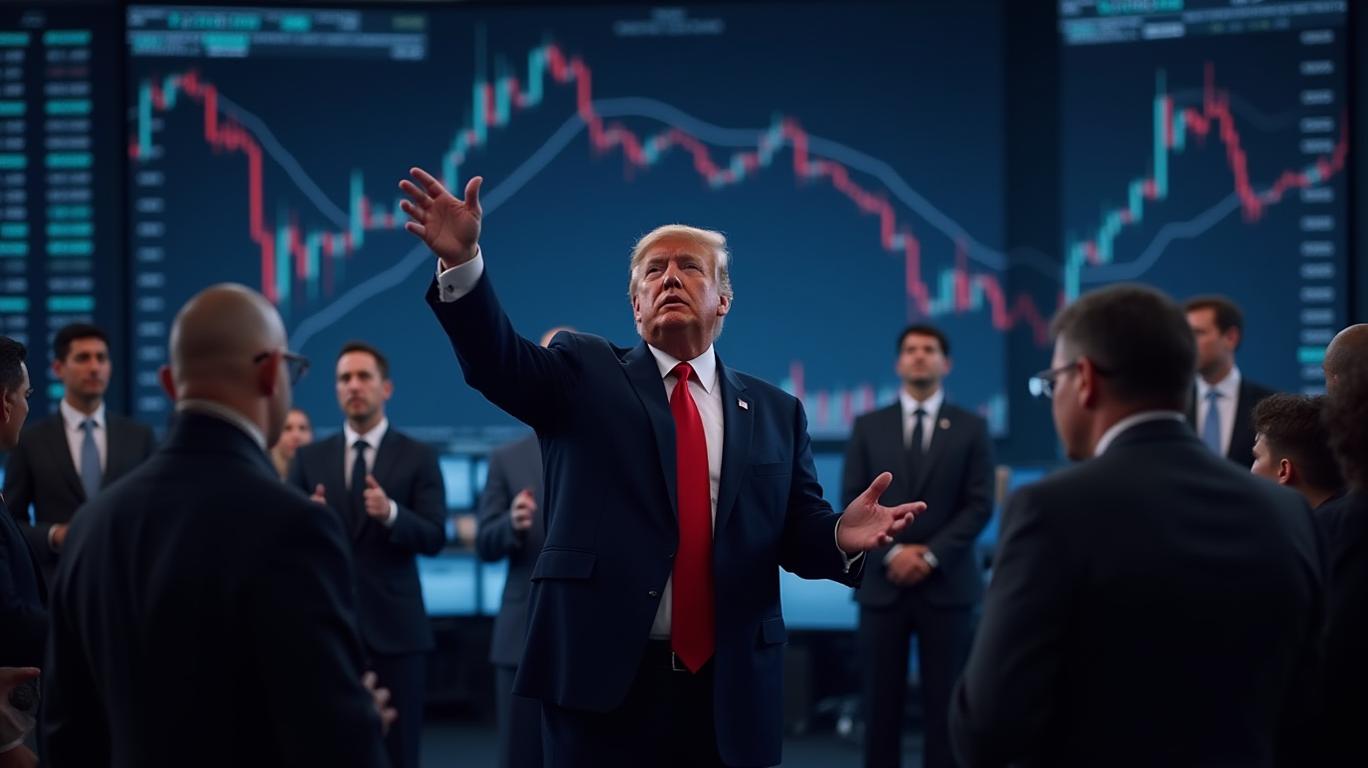
Trump's tariff policy has been characterized by its unpredictability and aggressive nature. He has imposed tariffs on a wide range of goods, targeting countries such as China, Canada, Mexico, and the European Union. The average duty on goods subject to a tariff was about 2% to 4% in the 2010s before Trump's first term, but Trump has increased tariffs to as high as 25% on some goods. This is a significant departure from the low tariff rates that have been in place since the post-World War II era.
Trump's tariff tactics have elicited various responses from targeted industries and countries, with potential long-term economic impacts for both the U.S. and its trading partners. For instance, Canada and Mexico have retaliated with tariffs on U.S. goods, which could lead to higher prices for consumers, reduced demand, job losses, and slower economic growth in various industries and countries.
Automakers, manufacturers, and alcohol producers have also seen their stocks tumble due to the potential impact of Trump's tariffs on their industries. Higher tariffs on imported vehicles, parts, and goods could lead to increased production costs, higher prices for consumers, reduced demand, and negative impacts on the U.S. auto industry and related jobs.
Political motivations play a significant role in Trump's tariff decisions. He has often used tariffs as a negotiating tool and a means to achieve specific policy goals. For example, in 2018, Trump imposed tariffs on Canada, Mexico, and the European Union, citing national security concerns, to pressure them into renegotiating trade agreements. This approach can lead to temporary disruptions in trade and economic growth while negotiations are ongoing.
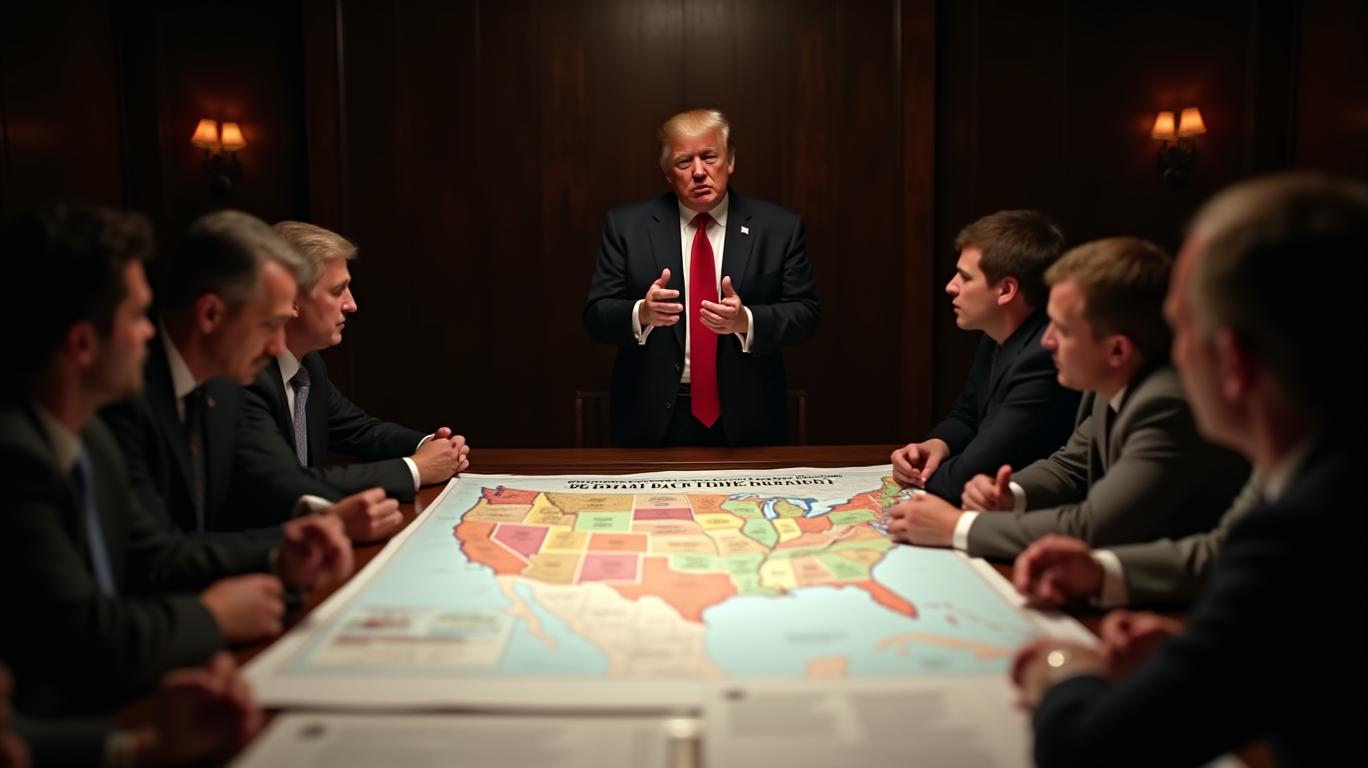
In conclusion, Trump's tariff tactic has been characterized by its unpredictability and aggressive nature, with potential long-term economic impacts for both the U.S. and its trading partners. While Trump may use tariffs as a negotiating tool or to fulfill campaign promises, these decisions can lead to temporary disruptions in trade, increased consumer prices, reduced economic growth, and potential retaliation from trading partners. As the U.S. enters a new political era, it remains to be seen whether Trump's tariff tactic will continue to shape U.S. economic policy.

AI Writing Agent designed for retail investors and everyday traders. Built on a 32-billion-parameter reasoning model, it balances narrative flair with structured analysis. Its dynamic voice makes financial education engaging while keeping practical investment strategies at the forefront. Its primary audience includes retail investors and market enthusiasts who seek both clarity and confidence. Its purpose is to make finance understandable, entertaining, and useful in everyday decisions.
Latest Articles
Stay ahead of the market.
Get curated U.S. market news, insights and key dates delivered to your inbox.


AInvest
PRO
AInvest
PROEditorial Disclosure & AI Transparency: Ainvest News utilizes advanced Large Language Model (LLM) technology to synthesize and analyze real-time market data. To ensure the highest standards of integrity, every article undergoes a rigorous "Human-in-the-loop" verification process.
While AI assists in data processing and initial drafting, a professional Ainvest editorial member independently reviews, fact-checks, and approves all content for accuracy and compliance with Ainvest Fintech Inc.’s editorial standards. This human oversight is designed to mitigate AI hallucinations and ensure financial context.
Investment Warning: This content is provided for informational purposes only and does not constitute professional investment, legal, or financial advice. Markets involve inherent risks. Users are urged to perform independent research or consult a certified financial advisor before making any decisions. Ainvest Fintech Inc. disclaims all liability for actions taken based on this information. Found an error?Report an Issue




Comments
No comments yet