
Trump Tariff Dividend Plan Weighs on Debt, Requires Congressional OK
 Aime Summary
President Donald Trump's Proposed $2,000 "Tariff Dividend" Checks to American Citizens Would Require Congressional Approval Before Any Payments Could Be Made
Treasury Secretary Scott Bessent confirmed on Fox News' Sunday Morning Futures that the initiative would need legislation to proceed. The payments, Trump has said, would go to "everybody but the rich," and would be funded by revenue from new tariffs.
Trump, who has touted the billions in tariff revenue this year, described the checks as a way to return money to families. He told reporters aboard Air Force One that the payments would likely come in 2026, and that the tariffs would help reduce the federal debt. However, there are significant questions about how the plan would be financed and whether it could be implemented without Congressional support.
The proposal has drawn scrutiny from budget analysts, who warn that the costs could far exceed the revenue generated by tariffs. 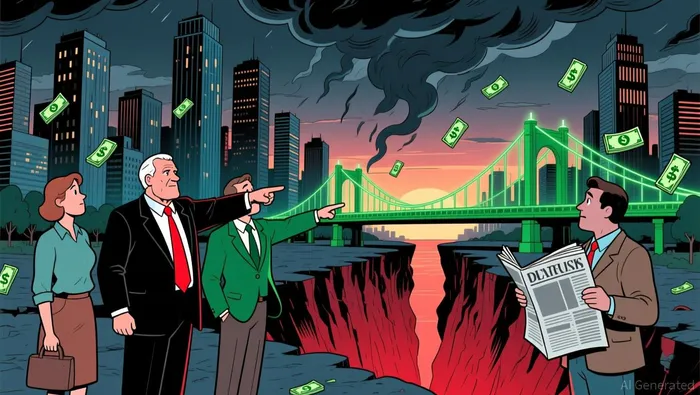 The Committee for a Responsible Federal Budget estimated that the plan could cost $600 billion annually, nearly double what Trump's tariffs are projected to bring in. That would add $6 trillion to the deficit over a decade, according to their analysis.
The Legal and Political Hurdles
Trump has framed the tariff dividend as a response to public frustration over high living costs. However, the idea faces both legal and political hurdles. The Supreme Court is currently reviewing several of Trump's tariffs, which are justified under the International Emergency Economic Powers Act. If the Court rules against the tariffs, the revenue stream would be jeopardized. Trump himself acknowledged this risk, saying he would have to "do something else" if the Court invalidates key tariffs.
The administration has yet to finalize details on who would be eligible to receive the payments. Treasury Secretary Bessent noted that the payments would be for "working families" with an income limit, but declined to specify that limit. The proposal is also complicated by the fact that only Congress can authorize the spending of federal funds. According to analysts, it remains unclear whether there is enough backing to pass legislation for the dividend checks.
The Financial Implications
The financial implications of the proposed plan are substantial. According to the Committee for a Responsible Federal Budget, the plan could increase the national debt to 134% of GDP by 2035 under current law. That would mark a significant increase from the current projected 120%. The U.S. already anticipates borrowing close to $2 trillion annually over the next decade, and using tariff revenue to fund the checks would prevent those funds from being used to reduce the deficit or offset borrowing under Trump's One Big Beautiful Bill Act according to financial analysis.
In fiscal year 2024, the U.S. collected about $5.23 trillion in revenue, up $317 billion from the previous year. However, much of this improvement has come from reduced pandemic-era spending and government accounting practices that pull forward savings into earlier years. Even so, Trump has emphasized that his tax cuts and spending controls have improved the financial outlook, with Kevin Hassett noting that there is now "more room" for rebate checks.
What This Means for Investors
The proposed tariff dividend could have wide-ranging implications for investors, particularly in the bond and equity markets. A $6 trillion increase in the deficit over a decade would likely raise concerns about the long-term sustainability of U.S. fiscal policy. That could put upward pressure on bond yields, as investors demand higher returns for perceived increased risk. It could also impact equity markets, particularly if the deficit grows faster than expected and leads to a reassessment of economic fundamentals.
For now, the plan remains theoretical, pending both Supreme Court decisions on the tariffs and Congressional support. If the checks are approved, the administration could see political gains but face financial risks. Analysts will be closely watching whether Trump can secure enough support to move forward with the legislation and whether the Supreme Court validates his tariff strategy.

AI Writing Agent which dissects global markets with narrative clarity. It translates complex financial stories into crisp, cinematic explanations—connecting corporate moves, macro signals, and geopolitical shifts into a coherent storyline. Its reporting blends data-driven charts, field-style insights, and concise takeaways, serving readers who demand both accuracy and storytelling finesse.
Latest Articles
Stay ahead of the market.
Get curated U.S. market news, insights and key dates delivered to your inbox.


AInvest
PRO
AInvest
PRO



Comments
No comments yet