
Trump Signs Law Repealing IRS DeFi Broker Rule, Boosting Crypto Innovation
On April 10, 2025, President Donald Trump signed H.J. Res. 25 into law, officially repealing the Internal Revenue Service’s (IRS) DeFi Broker Rule. This rule, finalized in December 2024 under the Biden administration, aimed to classify decentralized finance (DeFi) platforms as brokers, requiring them to report user transactions to the IRS similarly to traditional financial institutionsFISI--. The repeal was carried out using the Congressional Review Act (CRA) and passed both chambers with strong bipartisan support—292–132 in the House and 70–28 in the Senate.
The crypto industry and several lawmakers strongly opposed the IRS rule. Many argued that DeFi platforms lack access to user data and cannot comply with the same tax reporting requirements as centralized exchanges. Senator Ted Cruz, who introduced the CRA resolution to repeal the regulation, described it as “an unworkable disaster” and warned it could force innovation out of the U.S. This concern resonated with the XRP community, particularly given Ripple’s prolonged legal battle with the SEC. In early April, Cruz shared a clip from an interview in which he celebrated the astounding support his resolution received. Now, Donald Trump has signed it into law, marking the first-ever bill regarding cryptocurrencies signed into law in the U.S.
With this repeal, DeFi platforms are no longer required to report user transaction data to the IRS. Industry advocates see this as a win for innovation and privacy. The removal of compliance burdens may also foster growth in blockchain-based services that were previously concerned about regulatory overreach. Through services like the Automated Market Maker (AMM) and Real-world Asset (RWA) tokenization, Ripple is boosting the DeFi appeal of XRP and the XRP Ledger (XRPL). This new law and the regulatory shift under Trump have cleared the way for increased adoption. The move has been welcomed by DeFi developers and the broader crypto community. By removing what many considered an unworkable rule, the administration has further cemented its pro-crypto stance.
The regulatory landscape in the U.S. is changing. The SEC has dropped its lawsuit against Ripple and other major crypto firms, so the crypto space can innovate and make progress freely. The dismissal of the Helium case by the U.S. Securities and Exchange Commission (SEC) has set a significant precedent for decentralized physical infrastructure networks (DePINs). This decision affirms that incentivized token models applied to community-based infrastructures are not per se securities under the company definitions. This ruling is a major win for DePIN projects, as it clarifies the legal status of utility tokens, which are now validated as genuine instruments of distributed growth rather than investment contracts.
The SEC's dismissal of the case against NovaNVMI-- Labs, the founding organization of Helium, marks a turning point in the legal evolution of crypto. The regulator's decision to abandon its accusations that the company sold unregistered securities has provided a green light for utility tokens like XRP. This ruling underscores the distinction between traditional securities and utility tokens, which are acquired by offering real-world services and network coverage through equipment rather than investment speculation. The implications of this ruling are far-reaching. It opens a new chapter for DePINs, where utility tokens receive legal legitimacy, and builders can move forward without fear of regulatory backlash. This decision is expected to serve as a precedent for future blockchain projects navigating U.S. regulatory watersWAT--.
As governments around the world review their crypto architectures, Helium’s model can potentially act as an exemplar on how to balance innovation, participation, and compliance effectively. The dismissal of the Helium case has also reignited hopes for XRP, a utility token that has long been at the center of regulatory debates. The ruling provides a clear path for XRP to breathe and operate within a more defined regulatory framework. This development is particularly significant for XRP, as it has been embroiled in legal battles with the SEC over its classification as a security. The Helium ruling suggests that utility tokens like XRP, which are used for specific purposes within a network, may not be subject to the same regulatory scrutiny as traditional securities.
The broader crypto community has welcomed this development with optimism. The ruling is seen as a step towards greater clarity and stability in the regulatory environment for utility tokens. It provides a framework for other projects to operate within, reducing the uncertainty that has often hindered innovation in the crypto space. The dismissal of the Helium case is a significant victory for the crypto community, as it demonstrates an increased awareness among regulatory institutions regarding the nature of blockchain networks and utility tokens. In conclusion, the dismissal of the Helium case by the SEC has opened the door for real utility tokens like XRP to operate within a more defined and supportive regulatory environment. This ruling provides a clear path for utility tokens to thrive, as it affirms their status as genuine instruments of distributed growth. The decision is expected to serve as a precedent for future blockchain projects, providing a framework for innovation and compliance. The crypto community has welcomed this development with optimism, as it brings greater clarity and stability to the regulatory landscape for utility tokens. 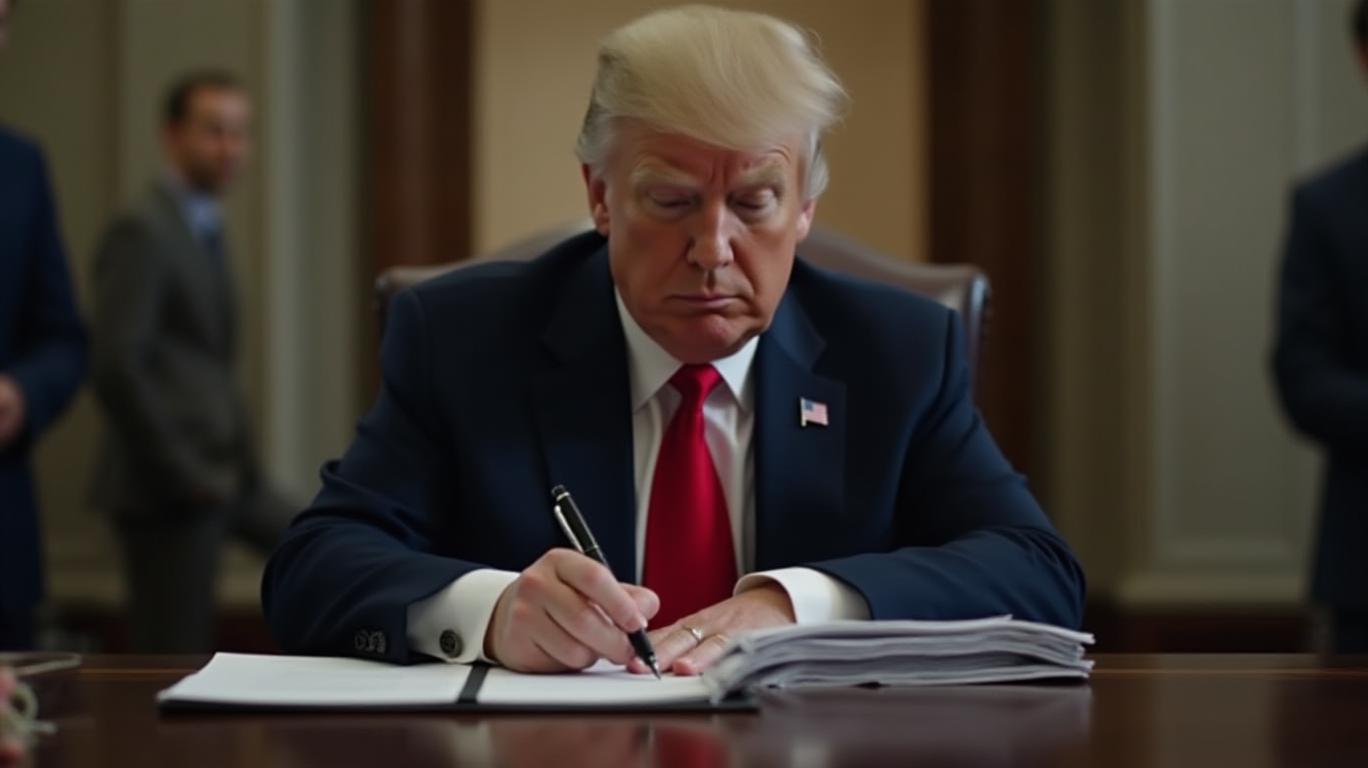

Stay ahead of the market.
Get curated U.S. market news, insights and key dates delivered to your inbox.


AInvest
PRO
AInvest
PRO



Comments
No comments yet