
Trump Signs GENIUS Act Requiring 1-to-1 Stablecoin Collateralization
 Aime Summary
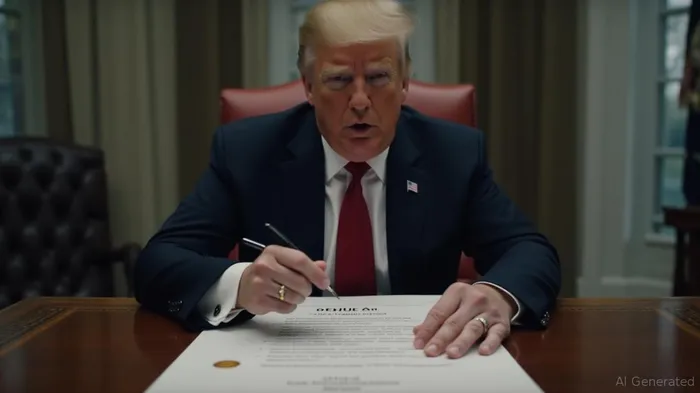
Ripple CEO Brad Garlinghouse has publicly commended President Donald Trump for signing the GENIUS Act into law, marking a significant milestone for the cryptocurrency industry. The new legislation introduces the first federal oversight framework for stablecoins in the United States, requiring that all stablecoins be fully collateralized on a 1-to-1 basis with U.S. dollars or other equivalent assets. This action aims to promote credibility, consumer safety, and transparency within the stablecoin industry.
Garlinghouse, who was not physically present at the White House ceremony, confirmed that the Ripple team was present during the signing. He described the administration as the most crypto-friendly in American history, highlighting the increasing receptiveness of the digital asset industry. Stuart Alderoty, Ripple’s Chief Legal Officer, responded to the new law with excitement, stating that it provides legal assurance for business and consumer market participants within the growing crypto economy.
Other prominent industry voices have echoed this sentiment. Coinbase’s Chief Legal Officer, Paul Grewal, emphasized the bill’s role in preserving the U.S. dollar’s dominance through regulated stablecoin growth. He added that regulatory certainty would enable additional dollar-backed tokens around the globe. TRONTRON-- founder Justin Sun also expressed support for the bill, describing it as a functional framework that promotes responsible innovation. He emphasized the need to focus on establishing stablecoins where the coin is correctly collateralized to safeguard users and develop trust.
This large-scale backing from major crypto companies comes at the end of a year that has seen more political activity and lobbying to obtain more transparency in the regulation of digital assets. Ripple and others have sponsored candidates who are supportive of cryptocurrency and seek more equitable regulation. Trump’s decision to approve the GENIUS Act marks a shift from his previous skepticism of cryptocurrency, indicating a new understanding of his administration regarding digital finance.
Garlinghouse’s praise of the Trump administration signals a new chapter in Ripple’s relationship with federal regulators. With the GENIUS Act now in effect, the crypto industry prepares to operate under a more precise and structured legal framework. The signing event was attended by notable figures in the crypto industry, including executives from major companies, highlighting the significance of the event as a validation of their efforts to revolutionize the financial system.
The GENIUS Act includes measures to regulate issuers, such as requiring them to maintain their reserves on a dollar-for-dollar basis in US Treasury bills and other similar vehicles. This provision is expected to attract significant investment to the US economy. Senior Treasury officials also expressed optimism, stating that the bill would not only create visible regulation for stablecoins but also boost the adoption of cryptocurrency in the United States. The GENIUS Act is the first-ever federal crypto bill passed in the US, and its approval signals a growing acceptance of digital assets in the country.
Ripple CEO Brad Garlinghouse hailed the GENIUS Act as "transformational legislation," comparing it to the Dodd-Frank Act. He described the moment as historic, emphasizing the importance of the bill in moving the US towards innovation in the financial space. Ripple's Chief Legal Officer, Stuart Alderoty, also praised the passage of the GENIUS Act, stating that it marked a significant step forward for the cryptocurrency industry. The approval of the GENIUS Act further solidifies the growing adoption of digital assets in the United States, potentially leading to a proliferation of privately issued stablecoins.

Stay ahead of the market.
Get curated U.S. market news, insights and key dates delivered to your inbox.


AInvest
PRO
AInvest
PRO



Comments
No comments yet