
Trump Signs GENIUS Act Establishing Stablecoin Framework
 Aime Summary
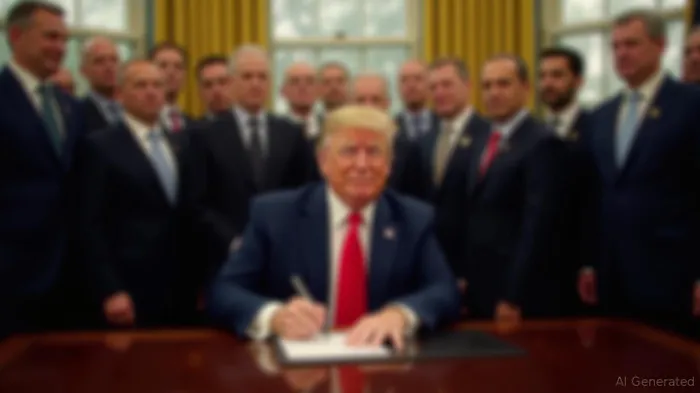
President Trump has signed the "Guidance and Establishment of the United States Stablecoin National Innovation Act," also known as the GENIUS Act, into law. This legislation establishes a comprehensive framework for stablecoins, which are cryptocurrencies pegged to stable assets like the U.S. dollar. The act aims to provide regulatory clarity and foster the growth of the stablecoin industry by ensuring that issuers hold reserves matching the value of the coins in circulation. This move is expected to increase public trust in these assets and reduce volatility.
The GENIUS Act mandates that stablecoin issuers provide regular reports on their reserves, ensuring transparency and accountability. This regulatory framework is designed to protect consumers and prevent the misuse of stablecoins for illicit activities. The legislation also excludes the central bank digital currency (CBDC) option from the U.S. monetary landscape, reshaping future digital financial transactions.
The signing of the GENIUS Act was a bipartisan effort, with the House of Representatives approving the bill a month after it cleared the Senate. The legislation was a key priority for President Trump, who has been vocal about his support for the cryptocurrency industry. Trump has positioned himself as a champion of crypto, touting the potential of digital currencies to enhance American economic leadership. He has also launched his own crypto meme coin and has been involved in various crypto ventures, including a bitcoin mining firm and a crypto reserve.
Despite some concerns from Democrats about potential conflicts of interest and the lack of full federal authority, the bill received bipartisan support. Democratic lawmakers raised concerns about consumer rights and financial stability, highlighting inadequacies in the legislation. However, the White House has insisted that there are no conflicts of interest in the crypto ventures, stating that Trump's assets are in a trust managed by his children.
The GENIUS Act is the first major federal law governing cryptocurrency in the United States. It sets a regulatory regime for U.S.-dollar-based stablecoins, which could see these cryptocurrencies becoming more widely used in regular transactions. The act is expected to generate increased demand for U.S. debt and cement the dollar's status as the global reserve currency. Federal regulators will have six months to develop specific regulations following the signing of the law, ensuring a smooth transition to the new regulatory framework.
The GENIUS Act is part of a broader effort to boost the legitimacy of the cryptocurrency industry with new regulations. The House also passed the CLARITY Act, a market structure package that sets the rules for assets overseen by the Securities and Exchange Commission or commodities regulated by the Commodities Futures Trading Commission. This measure now heads to the Senate for further consideration. The passage of these bills underscores the growing importance of cryptocurrencies in the global financial landscape and the need for comprehensive regulation to ensure their safe and responsible use.

Stay ahead of the market.
Get curated U.S. market news, insights and key dates delivered to your inbox.






Comments
No comments yet