
Trump Signs GENIUS Act Establishing 1:1 Asset Backing for Stablecoins
 Aime Summary
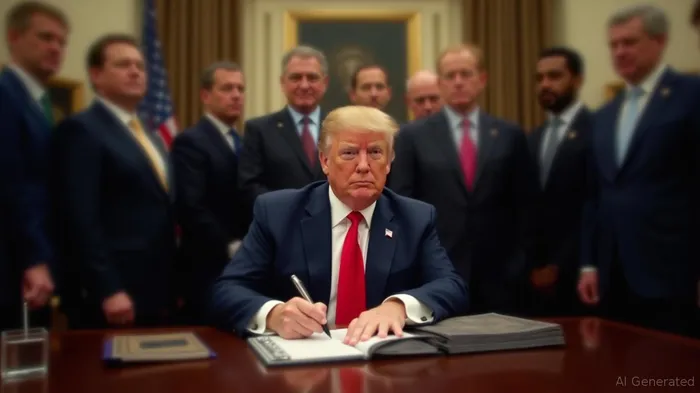
President Donald Trump signed the GENIUS Act into law, establishing regulatory standards for stablecoins in the United States. This legislation marks the first comprehensive federal law governing stablecoins, defining them as digital currencies backed by stable assets such as the U.S. dollar. The act introduces mandatory 1:1 asset backing for stablecoin issuers, aligning U.S. digital asset regulation with global standards and enhancing financial transparency and security within the crypto market.
The GENIUS Act aims to create a consistent regulatory framework for stablecoins across the country, making them more accessible and mainstream. This could potentially increase their usage in everyday transactions. The bill also creates a legal category for stablecoins, setting clear boundaries for which digital currencies can be referred to as such. This move is expected to enhance public trust in stablecoins and foster the growth of the industry, making it easier for banks and other entities to issue these coins.
Trump, who has become increasingly supportive of cryptocurrencies, hailed the signing of the GENIUS Act as a victory for American innovation and leadership. "I pledged that we would bring back American liberty and leadership and make the United States the crypto capital of the world. And that's what we've done under the Trump administration," he stated during the signing ceremony. The president's shift from being a crypto skeptic to a proponent reflects the growing influence of the cryptocurrency industry.
The passage of the GENIUS Act comes after a period of stalemate among House Republicans, who debated the bill for nine hours before it was brought to a vote. While many Democrats supported the bill, some expressed concerns about its potential to benefit entities with ties to the Trump family. A company associated with the Trump family, World Liberty Financial, recently launched a stablecoin pegged to the U.S. dollar, which could benefit from the new regulations.
Despite these concerns, the GENIUS Act represents a significant step forward in the regulation of stablecoins. It provides a clear legal framework for these digital currencies, which are increasingly being used in everyday transactions. The legislation is expected to enhance public trust in stablecoins and foster the growth of the industry. However, it will take some time before the public sees changes outlined in the bill, as federal regulators will have six months to develop specific regulations. The legislation also addresses concerns about the potential for conflicts of interest, ensuring that public officials cannot push their personal coins or profit from anonymous transactions.

Conoce rápidamente la historia y el origen de varias monedas de gran reputación
Latest Articles
Stay ahead of the market.
Get curated U.S. market news, insights and key dates delivered to your inbox.


AInvest
PRO
AInvest
PRO



Comments
No comments yet