
Trump Signs GENIUS Act Banning Yield-Generating Stablecoins
 Aime Summary
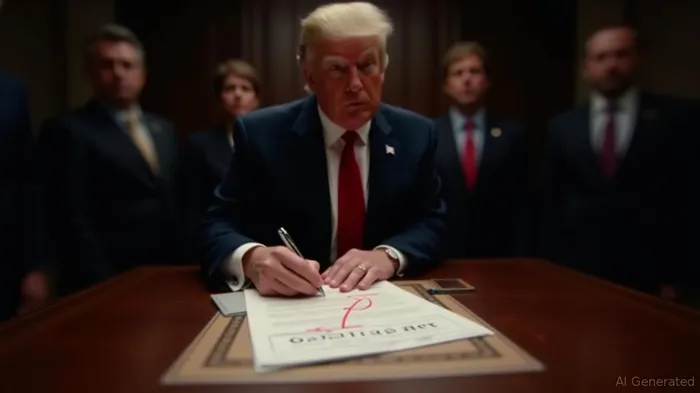
President Donald Trump signed the GENIUS Act, a significant piece of legislation that prohibits the issuance of yield-generating stablecoins. This move marks the first major piece of cryptocurrency legislation in the United States, signaling a shift in the regulatory landscape for digital assets. The GENIUS Act aims to reshape the digital asset industry by imposing strict regulations on stablecoins, which are cryptocurrencies designed to maintain a stable value, often pegged to a fiat currency like the U.S. dollar.
The legislation includes a provision that bans members of Congress and their families from profiting off stablecoins. However, this prohibition does not extend to the president, raising questions about potential conflicts of interest. The act also restricts the issuance of stablecoins to a set of authorized firms, including subsidiaries of existing banks and non-bank firms permitted by federal or state authorities. This move is expected to create a more regulated environment for stablecoins, potentially leading to a tidal wave of new stablecoins and fresh complaints about the president's crypto entanglements.
The GENIUS Act has been met with mixed reactions from the crypto community. Some groups are worried that the new rules could lead to an underregulated market, while others see it as a step towards mainstream adoption. The act's contentious section bans stablecoin issuers, both foreign and domestic, from offering interest on their stablecoins, effectively killing interest on stablecoins. This provision has sparked debate among crypto users, with some arguing that it stifles innovation in the digital asset industry.
The GENIUS Act also includes measures to prevent members of Congress and their families from profiting off stablecoins, a move aimed at reducing potential conflicts of interest. However, the act does not extend this prohibition to the president, raising concerns about the president's involvement in the crypto industry. The legislation is expected to have a significant impact on the digital asset industry, potentially reshaping the way stablecoins are issued and regulated in the United States.
The Act introduces new regulations affecting stablecoins with yield mechanisms, impacting key assets and driving market speculation. The ban stresses regulatory compliance, with developers and token holders evaluating new guidelines. Lessons from past regulatory actions, such as those taken by the Securities and Exchange Commission against BlockFi, suggest that similar measures can lead to market declines and shifts in investment strategies. The GENIUS Act marks a unique stance on yield-generating stablecoins, previously rare in U.S. legislation. Experts speculate potential market volatility and adjustments in token valuations, influenced by new regulatory parameters.
Stablecoin providers, particularly those offering interest-bearing products, are expected to face significant challenges. Concerns arise over potential adjustments in the $250 billion market and operational shifts for providers. Stakeholders anticipate market responses, impacting assets associated with these stablecoins. The ban on yield-generating stablecoins is part of a broader regulatory focus on digital assets, aiming to protect consumers from unregulated yield mechanisms and promote greater transparency in the market.

Stay ahead of the market.
Get curated U.S. market news, insights and key dates delivered to your inbox.


AInvest
PRO
AInvest
PRO



Comments
No comments yet