
Trump Signs First Federal Stablecoin Bill Aiming to Secure US Dollar's Global Status
 Aime Summary
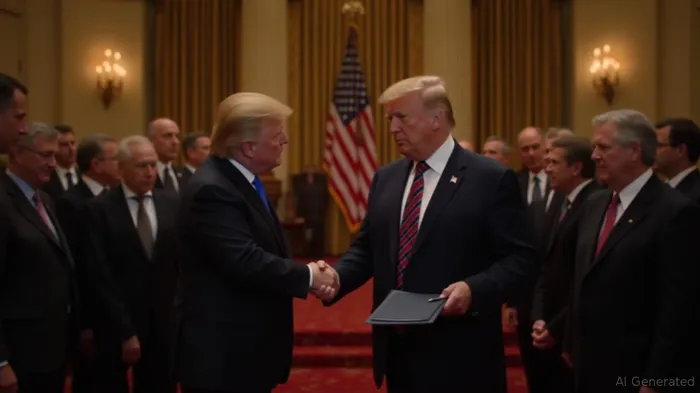
President Donald Trump signed the first federal bill to regulate stablecoins, marking a significant milestone for the digital asset industry. The legislation, dubbed the "Genius Act," establishes a clear regulatory framework for US dollar-backed stablecoins, requiring firms to maintain dollar-for-dollar reserves in short-term government debt or similar products overseen by state or federal regulators. This move is seen as a step towards broader adoption of digital assets in finance and aims to secure the US dollar's status as the world's reserve currency.
Trump, who once viewed the crypto industry with skepticism, has since become a champion of the sector. He hailed the signing of the bill as a "giant step to cement American dominance of global finance and crypto technology," comparing its potential impact to the birth of the internet. The measure is part of a broader push by the president, dubbed "Crypto Week," which included meetings with tech and crypto executives such as Brian Armstrong of Coinbase GlobalCOIN-- Inc., Vlad Tenev of Robinhood MarketsHOOD-- Inc., and the Winklevoss twins behind the Gemini exchange.
The legislation faced several hurdles during its passage, including opposition from conservative lawmakers who demanded a provision prohibiting the Federal Reserve from issuing digital currency. After negotiations, these lawmakers dropped their blockade, and the bill passed the House with broad bipartisan support. Democrats attempted to add a provision barring elected officials and their families from stablecoin ventures, but this measure was unsuccessful.
Proponents of the newly-signed law argue that it will provide a predictable regulatory environment and legitimacy for the asset class, which has been scarred by the collapse of the FTX crypto exchange. The bill's adoption underscores the growing political influence of crypto investors and executives, who have used well-funded political action committees to back candidates friendly to their industry. Trump's administration has also taken steps to elevate crypto-friendly regulators and dismiss or pause lawsuits and investigations targeting major players in the sector.
Trump's support for the crypto industry is evident in his appointment of David Sacks of Craft Ventures LLC as the first-ever White House artificial intelligence and crypto czar. The president has also signed an executive order calling for the creation of a Strategic Bitcoin Reserve and a separate stockpile of other digital assets. The signing of the stablecoin bill is seen as a major victory for the digital asset industry, providing a clear regulatory path for the future of stablecoins and potentially supercharging American economic growth.

Stay ahead of the market.
Get curated U.S. market news, insights and key dates delivered to your inbox.
AInvest
PRO
AInvest
PRO



Comments
No comments yet