
Trump Signs Bill Raising Debt Ceiling by $5 Trillion
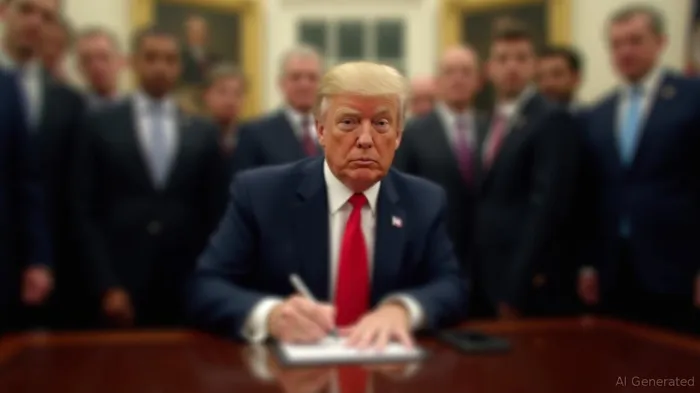
President Donald Trump signed a comprehensive bill into law, which includes a significant increase in the U.S. debt ceiling by $5 trillion. This legislation, dubbed the "One Big Beautiful Bill," was passed by Congress and signed by the President during an event on the White House lawn. The bill extends and expands provisions from the 2017 Tax Cuts and Jobs Act, introduces new tax cuts, and makes substantial cuts to Medicaid and the Supplemental Nutrition Assistance Program (SNAP), also known as food stamps. Additionally, it includes an overhaul of the federal student loan system and permanently expands the Child Tax Credit.
The bill's passage was not without controversy. Republican lawmakers were initially divided over the amount of spending and the extent of cuts to Medicaid. However, Trump's public support for the legislation helped to unify the party, and no changes were made to the Senate's version of the bill. Democrats, who hold the minority in both the House of Representatives and the Senate, had limited influence on the bill's content.
One of the most significant provisions of the bill is the $5 trillion increase in the debt ceiling. This measure allows the U.S. government to continue borrowing to pay for already accrued bills. The non-partisan congressional budget office estimates that the law will add $3.3 trillion to the country's debt through 2034. This has led to clashes with some right-wingers who are concerned about the growing national deficit.
The bill also includes provisions that cut incentives for green energy and expand domestic production of oil, coal, and natural gas. These measures are expected to have a significant impact on the energy sector and the environment. The bill's overall impact on the economy and the federal budget remains a subject of debate among economists and policymakers.
In summary, the "One Big Beautiful Bill" signed by Trump includes a $5 trillion increase in the debt ceiling, extends and expands tax cuts, makes significant cuts to Medicaid and SNAPSNAP--, and includes an overhaul of the federal student loan system. The bill's passage was a major win for Republicans, but its long-term impact on the economy and the federal budget remains to be seen.
The bill's passage highlights important fiscal policy changes and increases borrowing capacity, potentially affecting markets. The One Big Beautiful Bill (OBBB) was signed by President Donald Trump, raising the U.S. federal debt ceiling by $5 trillion on July 5, 2025. Senate and House GOP leaders pushed the bill through Congress, despite notable opposition from the House Democratic Leader, Hakeem Jeffries, who staged a lengthy filibuster.
The bill enacts permanent tax cuts, modeled on previous Trump-era reforms, with projected federal revenue losses of $4.5 trillion by 2034. While House Democratic Leader Hakeem Jeffries strongly opposed the measure, the Senate Finance Committee played a crucial role in its development.
Immediate market reactions to the bill show no direct impacts on major blockchains, with no reported unusual activity. However, U.S. fiscal policies can indirectly influence risk assets, including BitcoinBTC-- and EthereumETH--. Despite lacking crypto-specific mentions, the bill could lead to increased demand for digital assets if fiscal uncertainty grows. Historically, increases in the debt ceiling have at times resulted in inflation hedge narratives boosting cryptocurrencies like Bitcoin.
The legislative move indicates broader economic trends, especially concerning fiscal responsibility and potential impacts on regulations governing digital assets. While there is no direct crypto-related response, market participants are closely monitoring any shifts in policy narratives. Analysts emphasize that while there might be increased interest in digital assetDAAQ-- investments, the exact impact remains speculative without further government cues.

Stay ahead of the market.
Get curated U.S. market news, insights and key dates delivered to your inbox.






Comments
No comments yet