
Trump Signs Bill Increasing Debt Ceiling by $5 Trillion, Boosting Bitcoin Appeal
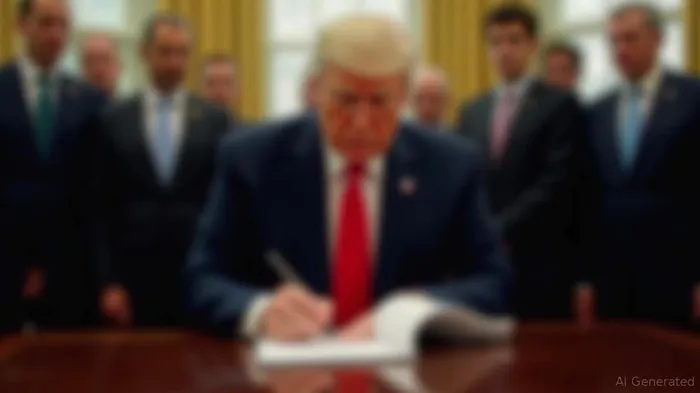
President Donald Trump signed the "One Big Beautiful Bill" into law on July 4, a significant piece of legislation that has sparked controversy due to its provisions, which include cuts to federal aid, an increase in long-term debt, and tax reductions for wealthy individuals. The bill, which was passed by the US Congress, increases the national debt ceiling by $5 trillion and introduces major tax cuts for high earners. Notably, the bill omits anticipated cryptocurrency tax amendments, leaving the crypto community cautiously optimistic about Bitcoin’s future.
The bill's silence on crypto-specific regulations may disappoint some industry advocates, but it sets a macroeconomic stage that could benefit BitcoinBTC-- indirectly. The legislation’s expansion of the debt ceiling signals increased government borrowing and potential monetary expansion, factors historically correlated with Bitcoin’s appeal as a store of value. The bill’s approval significantly raises the US government’s borrowing capacity, increasing the national debt ceiling to historic levels. This could accelerate inflationary pressures, which traditionally erode fiat currency purchasing power.
The bill’s tax provisions include a 3% after-tax income increase for earners above $1 million and a quadrupling of state and local tax deductions for middle-income earners. Estate tax exemptions were also raised significantly, favoring wealthier demographics. To offset these fiscal expansions, the bill proposes reductions in programs like Medicaid and the Supplemental Nutrition Assistance Program, affecting vulnerable populations. Additionally, tariff hikes of 20%-30% on imports from approximately ten countries are expected, potentially increasing consumer costs and straining international relations.
The bill’s passage marks a pivotal moment in US fiscal policy with indirect implications for the cryptocurrency market. Although it lacks direct crypto tax reforms, the bill’s expansion of the national debt ceiling and associated inflationary risks may enhance Bitcoin’s appeal as an inflation hedge. Concurrently, upcoming legislative initiatives signal a proactive approach to crypto regulation, balancing innovation with oversight. Pro-crypto lawmakers in Washington are advancing targeted legislation to address digital asset regulation. Key Republican leaders have declared the week of July 14 as “Crypto Week,” during which they intend to advance three significant bills: the CLARITY Act to provide a comprehensive crypto regulatory framework; the Anti-CBDC Surveillance State Act to prohibit a government-issued digital dollar; and the GENIUS Act to regulate stablecoins and set issuer standards. These initiatives reflect a growing legislative focus on creating a balanced regulatory environment that fosters innovation while addressing risks associated with digital currencies. President Trump has also urged Congress to expedite the STABLE Act, which targets stablecoin regulation, underscoring the administration’s increasing engagement with crypto policy. This momentum suggests that while the Big Beautiful Bill sidestepped crypto tax reforms, the industry’s regulatory landscape is poised for significant developments in the near term. Market participants and industry stakeholders should monitor these legislative efforts closely, as their outcomes will shape the future of cryptocurrency adoption and compliance in the United States.
The U.S. House of Representatives passed the "Big and Beautiful" tax and spending bill, pushed by President Trump with a vote of 218-214. This action raised significant concerns due to cuts in federal aid and increased debt. Immediate responses include debates on tax cuts for the wealthy and businesses, with potential influences on Trump's pro-crypto initiatives. Trump MediaDJT-- & Technology Group's moves to capitalize on digital assets could stimulate these markets. Market response included discussions among traders about Housecoin, a politically themed token. The tax bill may drive further volatility in Bitcoin and other cryptocurrencies, influenced by Trump's policy stance.
Historically, significant U.S. policy shifts have preceded volatility in Bitcoin and EthereumETH-- prices. The 2017 U.S. tax reforms influenced risk sentiment in crypto markets, highlighting how changes in major U.S. policies can impact cryptocurrency prices. The Coincu research team anticipates that Trump's tax bill, coupled with institutional interest, could lead to further investment in cryptocurrencies. Donald Trump, President, United States, stated, "We believe that a sound regulatory approach can lead to unprecedented opportunities for U.S. investors." Such insights draw on past regulatory trends and suggest potential for renewed market expansion.

Stay ahead of the market.
Get curated U.S. market news, insights and key dates delivered to your inbox.


AInvest
PRO
AInvest
PRO



Comments
No comments yet