
Trump Signs Bill With 40% Tax Cuts, 20% Spending Reductions
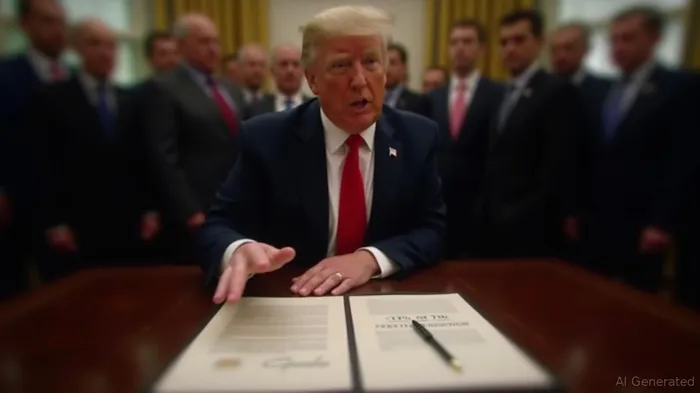
On the Fourth of July, U.S. President Donald Trump signed the ‘One, Big, Beautiful Bill’ at the White House, marking a significant shift in the nation’s fiscal policy. This comprehensive legislative package includes extensive tax breaks and strategic spending cuts, aiming to stimulate economic growth and reduce government expenditure. The bill’s signing ceremony, held on Independence Day, highlighted the administration’s confidence in its transformative potential, presenting it as a gift to the American people on their nation’s birthday.
The ‘One, Big, Beautiful Bill’ is designed to stimulate growth, reduce government expenditure, and foster an era of unprecedented prosperity. It encompasses two primary pillars: extensive tax breaks and strategic spending cuts. The tax breaks are aimed at putting more money back into the pockets of American families and businesses, encouraging investment and consumption. The spending cuts are targeted at trimming down federal expenditures across various departments, with the goal of reducing the national debt and fostering fiscal responsibility.
The tax reform aspect of the bill is perhaps its most immediately impactful feature. It introduces a series of adjustments aimed at both individual taxpayers and corporate entities, with the overarching goal of fostering economic dynamism. For individuals, many Americans are expected to see a reduction in their tax burden, potentially leading to increased disposable income and stimulating consumer spending. For corporations, a significant reduction in corporate tax rates is a cornerstone of this bill, incentivizing businesses to invest more domestically, create jobs, and repatriate profits currently held overseas. Proponents argue that these tax breaks will act as a powerful stimulant, injecting capital directly into the economy. Critics, however, voice concerns about the potential for increased national debt if the cuts are not offset by sufficient revenue generation or spending reductions, and whether the benefits will be equitably distributed across all income brackets.
Complementing the tax breaks are the substantial government spending cuts outlined in the bill. This aspect reflects a commitment to fiscal austerity, seeking to rein in federal expenditures that have grown significantly over the decades. The targeted cuts are broad, touching various government agencies and programs. The rationale behind these reductions is multi-faceted: debt reduction, efficiency and accountability, and fiscal discipline. While the long-term benefits of reduced government spending are often debated, the immediate impact can be felt in various sectors. Some programs may face reduced funding, leading to adjustments in their operations. The challenge lies in implementing these cuts without negatively impacting critical services or stifling necessary investments in infrastructure and social programs. The delicate balance between fiscal responsibility and societal well-being is at the heart of this legislative effort.
The signing of the ‘One, Big, Beautiful Bill’ on July 4th is undoubtedly a moment that will be analyzed for its profound economic impact. The combination of tax cuts and spending reductions creates a unique economic experiment, with various potential outcomes. Economists and market watchers are considering the potential for growth, inflationary pressures, national debt trajectory, and market reactions. The real-world effects will unfold over months and years, providing a crucial test for the bill’s underlying economic philosophy. Businesses will adjust investment plans, consumers will adapt spending habits, and the government will navigate a new fiscal reality.
With the ‘One, Big, Beautiful Bill’ now law, the landscape of US fiscal policy has been irrevocably altered. This legislation sets a new precedent and direction for how the government manages its finances and interacts with the economy. For citizens, businesses, and investors alike, understanding the implications and preparing for the future is key. Citizens should monitor their personal tax situation, businesses should evaluate the new corporate tax rates and spending environments, and investors should keep a close eye on economic indicators. The bill represents a significant commitment to a particular economic vision. Its success will be measured not just in immediate financial metrics but also in its long-term impact on job creation, innovation, and the overall prosperity of the nation. As the country moves forward, the ongoing debate and adjustments to this new fiscal framework will undoubtedly shape the economic narrative for years to come.
The signing of the ‘One, Big, Beautiful Bill’ on July 4th marks a pivotal moment in American economic history. By introducing a sweeping package of tax breaks and spending cuts, the Trump administration has laid out a clear vision for the nation’s financial future. While the full effects will only become clear over time, this legislation promises to ignite debates, stimulate economic activity, and challenge conventional wisdom about government’s role in the economy. It is a bold move, undertaken on a day that celebrates freedom and new beginnings, and its legacy will undoubtedly be discussed and analyzed for generations.

Stay ahead of the market.
Get curated U.S. market news, insights and key dates delivered to your inbox.


AInvest
PRO
AInvest
PRO



Comments
No comments yet