
Trump Signs TAKE IT DOWN Act Criminalizing Deepfake Porn
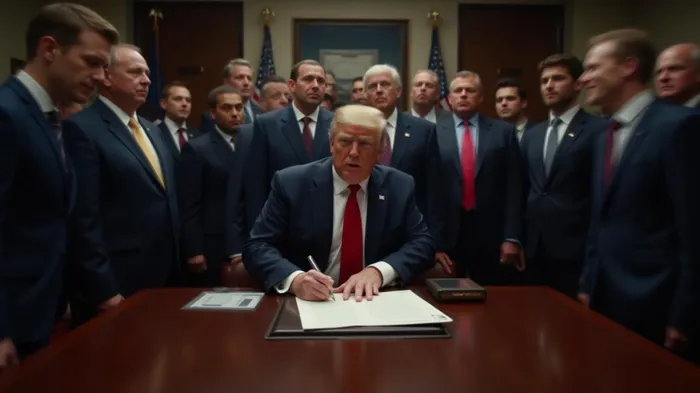
US President Donald Trump has signed a bill into law that criminalizes the creation and distribution of nonconsensual artificial intelligence-generated deepfake porn. The bill, known as the TAKE IT DOWN Act, was signed on May 19 and imposes strict penalties for those who publish or threaten to publish such content, including fines and imprisonment. The law also mandates that websites, online services, and apps remove illegal content within 48 hours of receiving notice from the victim and establish a takedown process.
The TAKE IT DOWN Act, an acronym for Tools to Address Known Exploitation by Immobilizing Technological Deepfakes on Websites and Networks, was introduced by Senators Ted Cruz and Amy Klobuchar in June 2024 and passed both houses in April of this year. The bill was backed by First Lady Melania Trump, who had directly lobbied lawmakers to support the legislation. In a statement, Melania Trump described the law as a “national victory,” emphasizing the potential dangers of AI and social media technologies when weaponized.
The legislation comes in response to a growing number of cases where deepfakes are used for harmful purposes. One notable instance involved deepfake-generated illicit images of pop star Taylor Swift, which rapidly spread through social media platforms in January 2024. This incident led to temporary bans on searches using Swift’s name and increased pressure on lawmakers to enactACT-- legislation criminalizing the production of deepfake images. Other countries, such as the UK, have already made sharing deepfake pornography illegal as part of their Online Safety Act in 2023.
The TAKE IT DOWN Act represents a significant step in the fight against nonconsensual explicit imagery, including deepfakes and revenge porn. The bipartisan legislation imposes stricter penalties for distributing such content, whether authentic or AI-generated. Individuals found guilty of publishing these images face fines, imprisonment, and restitution. The law also mandates that social media companies and online platforms remove the content within 48 hours of receiving notice from the victim and take steps to delete duplicate material. This federal intervention comes as many states have already enacted similar bans, but it represents the first time federal regulators have imposed restrictions on internet companies regarding this issue.
While the law aims to protect victims, free speech advocates and digital rights groups have expressed concerns. They argue that the law is too broad and could lead to the censorship of legitimate images, including legal pornography and content critical of the government. The debate highlights the delicate balance between protecting individuals from exploitation and preserving freedom of expression in the digital age. The Take It Down Act is a response to the growing problem of nonconsensual intimate imagery, which has become more prevalent with the advancement of AI technology. Deepfakes, in particular, have raised alarm due to their ability to create highly realistic but fake content, often used for malicious purposes. The new law seeks to address this issue by holding distributors accountable and requiring platforms to act swiftly in removing such content. This legislation is expected to have a significant impact on how online platforms handle explicit and nonconsensual imagery, setting a precedent for future regulations in this area.

Stay ahead of the market.
Get curated U.S. market news, insights and key dates delivered to your inbox.


AInvest
PRO
AInvest
PRO



Comments
No comments yet