
Trump Signs $3.3 Trillion Spending Bill Cutting Welfare Programs
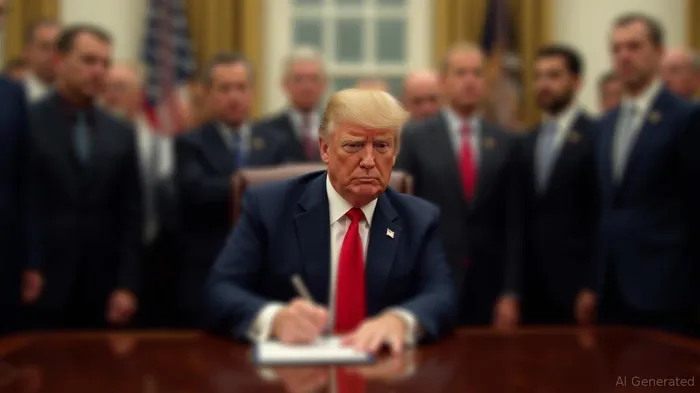
President Donald Trump signed a $3.3 trillion spending bill into law on Friday, marking a significant legislative victory for his administration. The bill, which was passed by the House on Thursday, includes a range of measures that extend tax cuts, reduce welfare programs, and increase funding for immigration enforcement. The bill's passage was a narrow victory for Trump, who had set a self-imposed deadline of July 4 for Congress to pass the legislation. The bill was signed into law at the White House, where Trump delivered remarks before the signing ceremony. The legislation extends Trump's 2017 multitrillion-dollar tax cuts and cuts Medicaid and food stamps by $1.2 trillion. It also provides for a massive increase in funding for immigration enforcement, a key priority for the Trump administration.
The bill's passage is a significant win for Trump's agenda, which has focused on reducing government spending and cutting taxes. However, the bill has also been controversial, with critics arguing that it will increase the federal deficit and harm vulnerable populations. The bill's provisions to cut welfare programs and increase immigration enforcement have been particularly contentious, with some lawmakers and advocacy groups arguing that they will have a negative impact on low-income individuals and families.
The bill's passage comes at a time when the federal government is already facing significant budget challenges. The bill will increase federal deficits over the next 10 years by nearly $3.3 trillion from 2025. This increase in the deficit will add to the already significant budget challenges facing the federal government, which is currently grappling with the economic fallout from the COVID-19 pandemic.
The bill's passage is also a significant victory for the Republican Party, which has long advocated for tax cuts and reductions in government spending. The bill's provisions to extend Trump's 2017 tax cuts and reduce welfare programs are in line with the party's long-standing policy goals. However, the bill's passage also highlights the deep divisions within the Republican Party, with some lawmakers expressing concerns about the bill's impact on the federal deficit and vulnerable populations.
The bill's passage is a significant development in the ongoing debate over the role of government in the economy. The bill's provisions to cut welfare programs and increase immigration enforcement reflect a broader shift in the Republican Party's approach to economic policy, which has increasingly focused on reducing government spending and cutting taxes. However, the bill's passage also highlights the challenges facing the federal government as it seeks to address the economic fallout from the COVID-19 pandemic and other budget challenges.
Despite signing the bill, President Trump did not include any specific provisions for cryptocurrencies. The bill reallocates $3.3 trillion towards other fiscal priorities. Key figures involved include Speaker Mike Johnson and Sen. Cynthia Lummis. The immediate market response lacks direct effects on cryptocurrencies, as no new crypto incentives or regulations are present. However, BitcoinBTC-- may gain in value due to inflationary fears reignited by the bill's passage. Financial implications focus on redirecting funds from green energy credits and introducing $77 billion in immigration fees. These measures alter existing fiscal policies without providing crypto subsidies or legal clarity.
Analysts predict broader inflation concerns may increase Bitcoin's appeal. Historical patterns show fiscal expansions often boost crypto interest as a potential hedge against rising prices. Economist insights suggest such trends could continue following this bill's enactment. The bill's passage marks a shift in fiscal strategy and could fuel inflation, impacting the cryptocurrency market. The bill includes provisions that will result in 11.8 million more people going without health insurance. The bill's passage is a significant win for Trump's agenda, which has focused on reducing government spending and cutting taxes. However, the bill has also been controversial, with critics arguing that it will increase the federal deficit and harm vulnerable populations. The bill's provisions to cut welfare programs and increase immigration enforcement have been particularly contentious, with some lawmakers and advocacy groups arguing that they will have a negative impact on low-income individuals and families.

Stay ahead of the market.
Get curated U.S. market news, insights and key dates delivered to your inbox.






Comments
No comments yet