
Trump Signs 25% Tariff on Indian Imports Amid Rising Trade Tensions
 Aime Summary
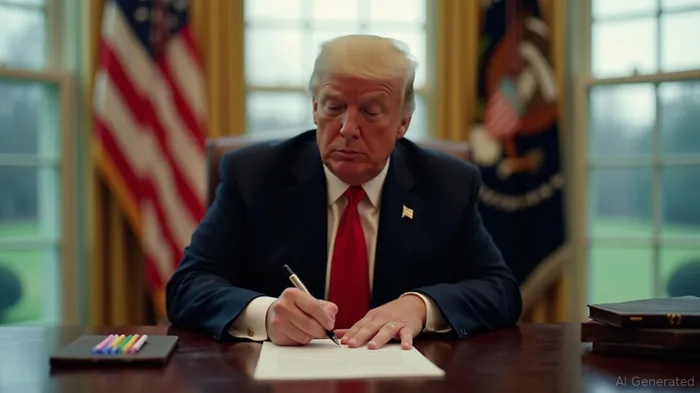
U.S. President Donald Trump has signed an executive order imposing a 25% additional tariff on goods imported from India, according to a report from Walter Bloomberg on X[1]. This decision is generating immediate waves of concern in international markets and raises significant questions about the future of global commerce. The move is viewed as a sharp escalation in the ongoing economic tensions and reflects a broader trend toward protectionism.
The 25% levy on Indian imports could reshape the competitive landscape for a range of sectors, including textiles and pharmaceuticals, which rely heavily on the U.S. market. Indian exporters now face increased costs, making their goods less attractive to American buyers. As a result, U.S. importers may begin seeking alternative, cheaper suppliers, potentially reducing overall demand for Indian exports. These developments could disrupt established supply chains and force companies to re-evaluate their operational strategies.
The U.S.-India trade relationship has long been defined by strategic cooperation, but this latest tariff could strain diplomatic ties. Bilateral trade between the two nations has historically shown growth, yet the imposition of these duties risks reversing that progress. Analysts have suggested that this could lead to urgent diplomatic discussions aimed at de-escalating tensions or even prompt India to retaliate with its own tariffs on U.S. goods. Alternatively, Indian businesses might shift focus to diversify their export destinations to minimize reliance on the American market.
The economic impact on India could extend beyond trade figures. Industries heavily dependent on U.S. exports may experience a slowdown, which could affect employment and investment. Small and medium-sized enterprises, in particular, may struggle to absorb increased costs or pivot quickly to new markets. However, the situation also presents an opportunity for India to accelerate its efforts toward self-reliance and diversification of trade partners. The extent of the economic effects will largely depend on how swiftly the government and businesses adapt to this new environment.
This development is part of a larger pattern of rising global trade tensions, with countries increasingly using tariffs as tools in economic diplomacy. While such measures are intended to protect domestic industries, they often result in higher consumer prices and reduced overall trade volumes. For U.S. consumers, this means potential increases in the cost of Indian goods or a reduction in product availability as suppliers seek alternative markets.
As the situation unfolds, businesses must become more agile and diversified in their operations, while policymakers face the challenge of balancing national interests with the need for open trade systems. The coming months will be critical in determining whether these tariffs represent a lasting shift in global trade policy or a temporary setback in a broader pattern of economic cooperation.
[1] Walter Bloomberg on X, as cited in the article.
Source: [1] Trump Tariffs India: Unveiling the Shockwave of 25% Import Duties (https://coinmarketcap.com/community/articles/689368001d74da171fb86ad5/)

Stay ahead of the market.
Get curated U.S. market news, insights and key dates delivered to your inbox.


AInvest
PRO
AInvest
PRO



Comments
No comments yet