
Trump Signs $1.7 Trillion Spending Bill, Boosts Military, Cuts Social Programs
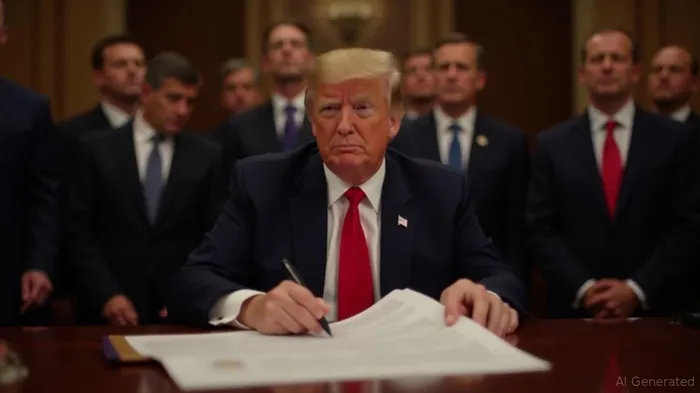
President Donald Trump signed a major tax and spending bill into law on July 4, 2025, during an "Independence Day" celebration event at the White House. The bill, known as the "One Big Beautiful Bill Act," represents a significant shift in U.S. fiscal strategy, reallocating funds towards military and border security while reducing social programs. This move has sparked diverse reactions from both Republicans and Democrats.
The legislation extends the expiring 2017 tax cuts and introduces new tax reductions, including what Trump has described as the largest tax cut in American history. It also includes substantial spending cuts, totaling $1.7 trillion, aimed at reducing government waste, fraud, and abuse. The bill increases spending on border security and military efforts while cutting Medicaid and food assistance programs. This fiscal policy shift could further influence inflation and interest rates, leading to strategic adjustments across institutional investments.
Despite strong opposition from all Democrat Representatives and two Republicans, the bill advanced narrowly. President Trump, alongside key allies Senate Majority Leader John Thune and House Speaker Mike Johnson, enacted the bill, emphasizing it as "the greatest victory yet" for his administration. Trump proclaimed the bill as the "single most popular" signed, despite conflicting polls. The immediate reaction centered on the estimated $3.3 trillion deficit increase over the next decade, raising concerns about the nation's fiscal health.
Democrats, led by House Democratic leader Hakeem JeffriesJEF--, criticized the bill for its potential negative impact on the poorest Americans. Jeffries delivered an eight-hour, 44-minute speech decrying the bill, arguing that it would be damaging to the American people. Trump, however, dismissed these criticisms as a "con job," claiming that the bill would ultimately benefit everyone. The bill's impact on the debt ceiling was a contentious issue, with some Republicans holding out over concerns about its effect. However, Trump pushed Congress to pass the bill by July 4th, ensuring its timely implementation.
The legislation also provides for a $150 billion increase in funding for a border wall, immigration enforcement, and deportations, as well as $150 billion in new defense spending. The bill's passage was not without controversy. Republicans praised the bill for its tax cuts and increased funding for immigration enforcement, while Democrats criticized it for cutting government benefits such as Medicaid and potentially leaving millions uninsured. The bill also includes work requirements for Medicaid, which some experts argue could lead to the closure of health centers in rural areas.
Trump's decision to sign the bill during the Fourth of July celebrations was strategic, as it allowed him to showcase his administration's achievements in front of a large audience. The celebrations included several flyovers, featuring military aircraft such as B-2 bombers and F-22s, which Trump used to highlight the military's successes, including the June 22 Iranian bombing mission. The bill's impact on the debt ceiling was a contentious issue, with some Republicans holding out over concerns about its effect. However, Trump pushed Congress to pass the bill by July 4th, ensuring its timely implementation.

Conoce rápidamente la historia y el origen de varias monedas bien conocidas
Latest Articles
Stay ahead of the market.
Get curated U.S. market news, insights and key dates delivered to your inbox.


AInvest
PRO
AInvest
PRO



Comments
No comments yet