
Trump to Sign GENIUS Act Friday Regulating Stablecoins
 Aime Summary
The White House has announced that President Trump is set to sign the "Genius Act" on Friday, marking a pivotal moment in the regulation of cryptocurrency in the United States. This legislation, which aims to establish a regulatory framework for stablecoins, has faced significant hurdles due to internal Republican divisions. Initially, a group of conservative Republicans, led by members of the House Freedom Caucus, staged a rebellion, halting the procedural vote and bringing the legislative process to a standstill. Their demand was to merge the GENIUS Act with a broader market structure bill and a measure to ban a central bank digital currency.
The impasse was resolved after President Trump intervened, meeting with the holdouts and persuading them to support the GENIUS Act as a standalone bill. This intervention was crucial, as it allowed the legislative process to move forward. The GENIUS Act, if passed, would be the first major crypto legislation ever enacted by Congress, setting rules for stablecoins and potentially positioning the U.S. as a leader in digital assets.
The drama unfolded over several days, with procedural votes being held open for extended periods as negotiations continued. The holdouts initially voted against moving forward but eventually dropped their opposition after reaching a deal with President Trump. This deal involved tying the ban on a central bank digital currency with the must-pass annual defense reauthorization bill, which allowed the legislative process to proceed.
The Senate had previously approved a bipartisan stablecoin bill, but it faced hiccups due to concerns from Democratic lawmakers about potential conflicts of interest involving the Trump family's crypto investments. Despite these concerns, the GENIUS Act has garnered support from both Republicans and Democrats who argue that regulations are long overdue, even if the measure is imperfect.
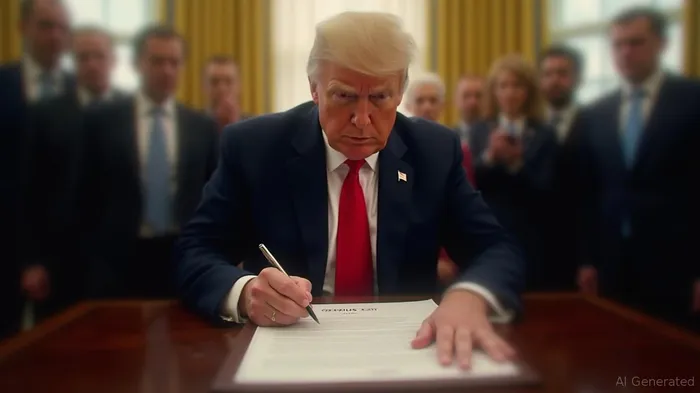
The signing ceremony is expected to take place in the afternoon, following the House's passage of the bill. The GENIUS Act aims to provide a clear regulatory framework for stablecoins, which are a type of cryptocurrency tied to the value of an asset like the U.S. dollar. This legislation is seen as a step towards establishing the U.S. as a leader in the digital asset industry, aligning with President Trump's push for quick passage of the bill.

Stay ahead of the market.
Get curated U.S. market news, insights and key dates delivered to your inbox.






Comments
No comments yet