
Trump Sidesteps Divestment Question Amid Crypto Concerns
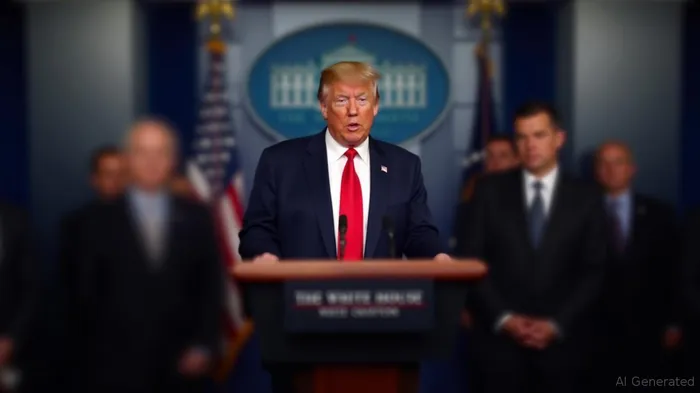
During a recent press conference, US President Donald Trump was asked whether he would divest from his family's cryptocurrency ventures to ensure the passage of key legislative bills. Trump, however, sidestepped the question, stating that if the US did not have cryptocurrency, other countries, particularly China, would dominate the industry. He emphasized the importance of the cryptocurrency industry, framing it as a strategic asset for the US.
Trump's response has sparked concerns among lawmakers about potential conflicts of interest. The president's family has significant investments in the cryptocurrency sector, and their involvement has raised questions about the impartiality of legislative decisions. The growing concern threatens to derail efforts to establish comprehensive regulations for the industry, a policy objective that has gained bipartisan support since 2024.
In response to these concerns, Democratic lawmakers have introduced measures to address potential conflicts of interest. The Senate passed the GENIUS Stablecoin bill, which did not include proposed amendments seeking to limit a US president's involvement in the crypto industry. Additionally, California Senator Adam Schiff introduced the Curbing Officials’ Income and Nondisclosure (COIN) Act, which aims to prohibit the president, his family, and officials in the executive branch from issuing or endorsing any digital asset. Schiff's bill is a direct response to the perceived corruption and conflicts of interest within the administration.
Trump's evasion of the divestment question highlights the delicate balance between personal financial interests and political decision-making. The president's family has a history of business ventures across multiple industries, and their involvement in cryptocurrency adds another layer of complexity to the issue. The refusal to address the question directly suggests a strategic maneuver to avoid potential controversies that could derail legislative priorities.
The implications of Trump's non-response are significant. It could be seen as a pragmatic move to avoid distractions from his legislative agenda, but it also raises questions about transparency and accountability in government. The public's trust in political leaders often depends on their willingness to address potential conflicts of interest openly and honestly. This incident underscores the ongoing tensions between different factions within the government, with Democrats criticizing Trump's actions and Republicans focusing on legislative progress.
The situation also highlights the challenges faced by lawmakers in balancing bipartisan cooperation with political partisanship. The passage of key bills often requires delicate negotiations and compromises, and the presence of personal financial interests can complicate these processes. Trump's evasion of the divestment question serves as a reminder of the complex dynamics at play in modern politics, where personal and public interests often intersect in unpredictable ways.

Stay ahead of the market.
Get curated U.S. market news, insights and key dates delivered to your inbox.






Comments
No comments yet