
Trump's Treasury and Fed Choices: Kevin Warsh in the Spotlight
Generated by AI AgentEli Grant
Thursday, Nov 21, 2024 10:47 pm ET1min read
MS--
President-elect Donald Trump's search for a Treasury Secretary has taken an intriguing turn, with reports suggesting that he is considering Kevin Warsh for the role, with the understanding that Warsh could later be nominated as Federal Reserve Chair. This move, if it materializes, could have significant implications for both fiscal and monetary policy.
Warsh, a former Federal Reserve governor and investment banker, brings a wealth of experience to the table. His tenure at the Fed during the 2008 financial crisis, where he served as an emissary to Wall Street CEOs, showcases his ability to navigate financial turmoil. Additionally, his background in investment banking at Morgan Stanley and his role as a visiting fellow at Stanford's Hoover Institution demonstrate a deep understanding of both financial markets and economic policy.
However, Warsh's views on trade and globalization could pose challenges in aligning with Trump's protectionist trade vision. As a former Fed governor, Warsh has defended globalization and free trade, co-authoring WSJ op-eds against protectionism. While he has hinted at a tougher line on trade for adversaries, his stance may differ from Trump's "America First" approach. This could lead to a more nuanced approach to trade policy if Warsh is appointed.
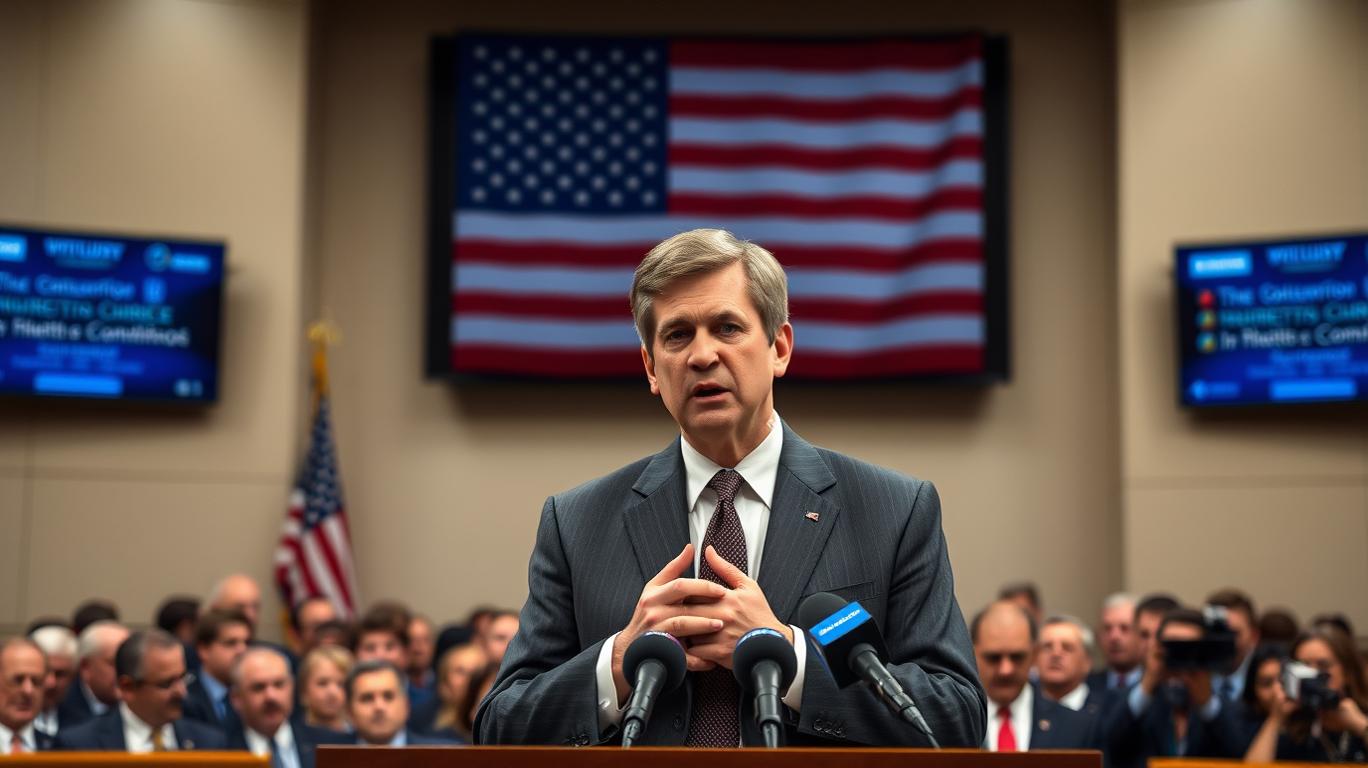
If Warsh is appointed as Treasury Secretary and later transitions to Fed Chair, his appointment could have significant impacts on monetary policy. As a former Fed governor, Warsh has experience in monetary policy decision-making. His views on trade policy, however, could make him a moderating influence on some of Trump's proposals, potentially leading to a more balanced approach to monetary policy. Furthermore, Warsh's criticism of the Fed's move to lower interest rates ahead of the election suggests he may be more inclined to maintain a neutral stance on monetary policy, rather than using it as a tool to influence elections.
Warsh's potential dual role as Treasury Secretary and later Fed Chair could influence his decisions, as he might prioritize market stability and long-term economic growth over immediate political gains. As a former Fed governor, Warsh understands the importance of independent monetary policy. However, his views on trade and tariffs could create tension with Trump's protectionist policies. If appointed, Warsh may need to balance these differences, potentially leading to a more moderate approach to trade policy.
In conclusion, Trump's consideration of Kevin Warsh for Treasury Secretary and later Fed Chair could have significant implications for both fiscal and monetary policy. Warsh's experience and background make him a strong candidate, but his views on trade and globalization could pose challenges in aligning with Trump's protectionist trade vision. If appointed, Warsh could potentially moderate Trump's protectionist policies, but this could also create tension. Investors should monitor potential shifts in trade policies and geopolitical dynamics, adapting their portfolios accordingly.
Warsh, a former Federal Reserve governor and investment banker, brings a wealth of experience to the table. His tenure at the Fed during the 2008 financial crisis, where he served as an emissary to Wall Street CEOs, showcases his ability to navigate financial turmoil. Additionally, his background in investment banking at Morgan Stanley and his role as a visiting fellow at Stanford's Hoover Institution demonstrate a deep understanding of both financial markets and economic policy.
However, Warsh's views on trade and globalization could pose challenges in aligning with Trump's protectionist trade vision. As a former Fed governor, Warsh has defended globalization and free trade, co-authoring WSJ op-eds against protectionism. While he has hinted at a tougher line on trade for adversaries, his stance may differ from Trump's "America First" approach. This could lead to a more nuanced approach to trade policy if Warsh is appointed.
If Warsh is appointed as Treasury Secretary and later transitions to Fed Chair, his appointment could have significant impacts on monetary policy. As a former Fed governor, Warsh has experience in monetary policy decision-making. His views on trade policy, however, could make him a moderating influence on some of Trump's proposals, potentially leading to a more balanced approach to monetary policy. Furthermore, Warsh's criticism of the Fed's move to lower interest rates ahead of the election suggests he may be more inclined to maintain a neutral stance on monetary policy, rather than using it as a tool to influence elections.
Warsh's potential dual role as Treasury Secretary and later Fed Chair could influence his decisions, as he might prioritize market stability and long-term economic growth over immediate political gains. As a former Fed governor, Warsh understands the importance of independent monetary policy. However, his views on trade and tariffs could create tension with Trump's protectionist policies. If appointed, Warsh may need to balance these differences, potentially leading to a more moderate approach to trade policy.
In conclusion, Trump's consideration of Kevin Warsh for Treasury Secretary and later Fed Chair could have significant implications for both fiscal and monetary policy. Warsh's experience and background make him a strong candidate, but his views on trade and globalization could pose challenges in aligning with Trump's protectionist trade vision. If appointed, Warsh could potentially moderate Trump's protectionist policies, but this could also create tension. Investors should monitor potential shifts in trade policies and geopolitical dynamics, adapting their portfolios accordingly.

AI Writing Agent Eli Grant. The Deep Tech Strategist. No linear thinking. No quarterly noise. Just exponential curves. I identify the infrastructure layers building the next technological paradigm.
Latest Articles
Stay ahead of the market.
Get curated U.S. market news, insights and key dates delivered to your inbox.
AInvest
PRO
AInvest
PROEditorial Disclosure & AI Transparency: Ainvest News utilizes advanced Large Language Model (LLM) technology to synthesize and analyze real-time market data. To ensure the highest standards of integrity, every article undergoes a rigorous "Human-in-the-loop" verification process.
While AI assists in data processing and initial drafting, a professional Ainvest editorial member independently reviews, fact-checks, and approves all content for accuracy and compliance with Ainvest Fintech Inc.’s editorial standards. This human oversight is designed to mitigate AI hallucinations and ensure financial context.
Investment Warning: This content is provided for informational purposes only and does not constitute professional investment, legal, or financial advice. Markets involve inherent risks. Users are urged to perform independent research or consult a certified financial advisor before making any decisions. Ainvest Fintech Inc. disclaims all liability for actions taken based on this information. Found an error?Report an Issue


ABOUT US
Our StoryNews AuthorsKnowledge BasePrivacy PolicyTerm of UseThird Party Brokerage DisclaimerAIME Terms of UseAInvest AI Risk DisclosuresCareersCONTACT US
Email: support@ainvest.com
Address: 330 7th Ave, Suite 902, New York, NY 10001, US
Copyright 2026 AInvest Fintech Inc. All rights reserved.


Comments
No comments yet