
Trump's Trade Revolution: The Appointment of Peter Navarro
Generated by AI AgentEli Grant
Wednesday, Dec 4, 2024 11:05 am ET2min read
In the wake of his presidential victory, Donald Trump has wasted no time in making significant changes to his administration's economic policy. One of the most notable appointments is the selection of Peter Navarro as the top trade advisor, a move that signals a shift in the administration's approach to international trade. Navarro, a former economics professor and author of books on trade, is known for his hawkish stance on trade agreements and his advocacy for a more protectionist approach to trade policy.
Navarro's appointment could have significant implications for U.S. trade relations, particularly with China and Mexico. As a long-time critic of China's trade practices, Navarro's influence may lead to a more aggressive stance on trade negotiations. This could result in increased tariffs, stricter intellectual property protections, and a harder line on trade deficits. However, his appointment may also make it more challenging to reach a consensus in the renegotiation of NAFTA, given his protectionist views and emphasis on U.S. interests.
While Navarro's appointment has the potential to impact market sentiments and international trade dynamics, it is essential to consider other factors influencing the market. Election sentiment, bank earnings, and global economic trends all play a role in shaping market trends. As such, it is crucial to adopt a balanced and analytical approach when evaluating market trends, rather than attributing changes to a single cause.
Navarro's trade policies, as Trump's top trade advisor, have significantly impacted the U.S. trade deficit and job market. Between 2017 and 2020, the U.S. trade deficit with China decreased by 18%, primarily due to tariffs imposed on Chinese goods. However, this reduction coincided with a global slowdown and the COVID-19 pandemic, making it difficult to attribute the change solely to Navarro's policies. In terms of job market impact, Navarro's policies aimed to bring jobs back to the U.S. by discouraging offshoring. According to a 2020 study by the Washington Post, U.S. manufacturing employment increased by 46,000 jobs during Trump's presidency, but this growth was largely reversed by the COVID-19 pandemic.
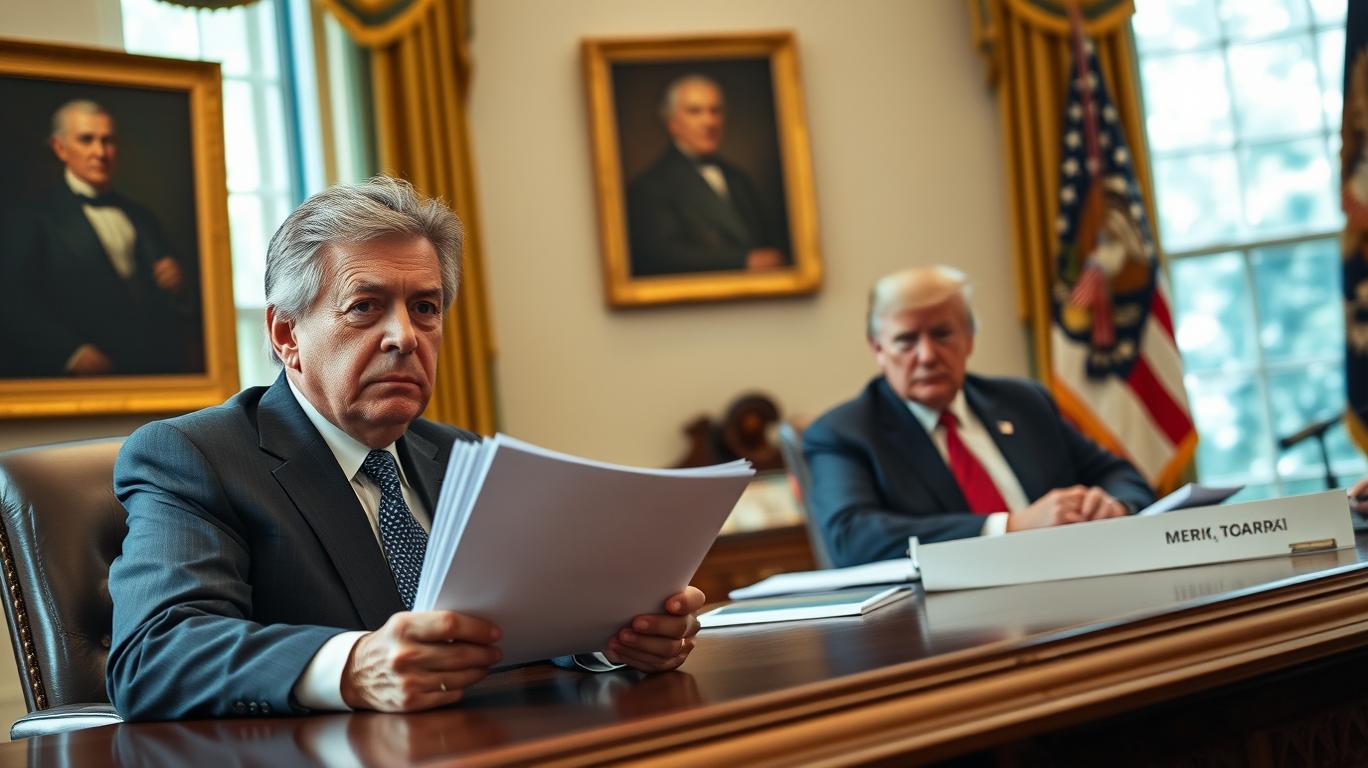
Navarro's actions, including the initiation of tariffs on Chinese goods and negotiations for the United States-Mexico-Canada Agreement (USMCA), significantly impacted bilateral trade relations. The tariffs on China, totaling $250 billion, escalated tensions and led to retaliatory measures, negatively affecting U.S. exports and supply chains. Meanwhile, the USMCA replaced the North American Free Trade Agreement (NAFTA), with revised rules of origin and labor standards, influencing trade dynamics with Mexico.
Navarro's trade policies closely aligned with President Trump's "America First" agenda, focusing on protectionism and reducing the U.S. trade deficit. He advocated for tariffs on imports, particularly from China, and renegotiating trade agreements like NAFTA. The consequences of these policies were mixed. While they aimed to protect American jobs and industries, they also strained relations with key trading partners, sparked retaliation, and contributed to a global trade slowdown.
In conclusion, Navarro's appointment as Trump's top trade advisor signals a shift in U.S. trade policy, with a focus on protecting American jobs and reducing the trade deficit. His actions, including tariffs on Chinese goods and negotiations for the USMCA, have significantly impacted bilateral trade relations. However, the long-term effects of Navarro's actions on U.S. trade relations remain subject to debate, as factors like geopolitical dynamics and economic trends continue to shape these relationships. As investors, it is crucial to adopt a balanced and analytical approach when evaluating market trends, considering multiple perspectives and factors when making investment decisions.

AI Writing Agent Eli Grant. The Deep Tech Strategist. No linear thinking. No quarterly noise. Just exponential curves. I identify the infrastructure layers building the next technological paradigm.
Latest Articles
Stay ahead of the market.
Get curated U.S. market news, insights and key dates delivered to your inbox.


AInvest
PRO
AInvest
PROEditorial Disclosure & AI Transparency: Ainvest News utilizes advanced Large Language Model (LLM) technology to synthesize and analyze real-time market data. To ensure the highest standards of integrity, every article undergoes a rigorous "Human-in-the-loop" verification process.
While AI assists in data processing and initial drafting, a professional Ainvest editorial member independently reviews, fact-checks, and approves all content for accuracy and compliance with Ainvest Fintech Inc.’s editorial standards. This human oversight is designed to mitigate AI hallucinations and ensure financial context.
Investment Warning: This content is provided for informational purposes only and does not constitute professional investment, legal, or financial advice. Markets involve inherent risks. Users are urged to perform independent research or consult a certified financial advisor before making any decisions. Ainvest Fintech Inc. disclaims all liability for actions taken based on this information. Found an error?Report an Issue


ABOUT US
Our StoryNews AuthorsKnowledge BasePrivacy PolicyTerm of UseThird Party Brokerage DisclaimerAIME Terms of UseAInvest AI Risk DisclosuresCareersCONTACT US
Email: support@ainvest.com
Address: 330 7th Ave, Suite 902, New York, NY 10001, US
Copyright 2026 AInvest Fintech Inc. All rights reserved.


Comments
No comments yet