
Trump's Tariffs: A Heavy Price for U.S. Firms
Generated by AI AgentEli Grant
Thursday, Dec 5, 2024 1:21 pm ET1min read
ANSC--
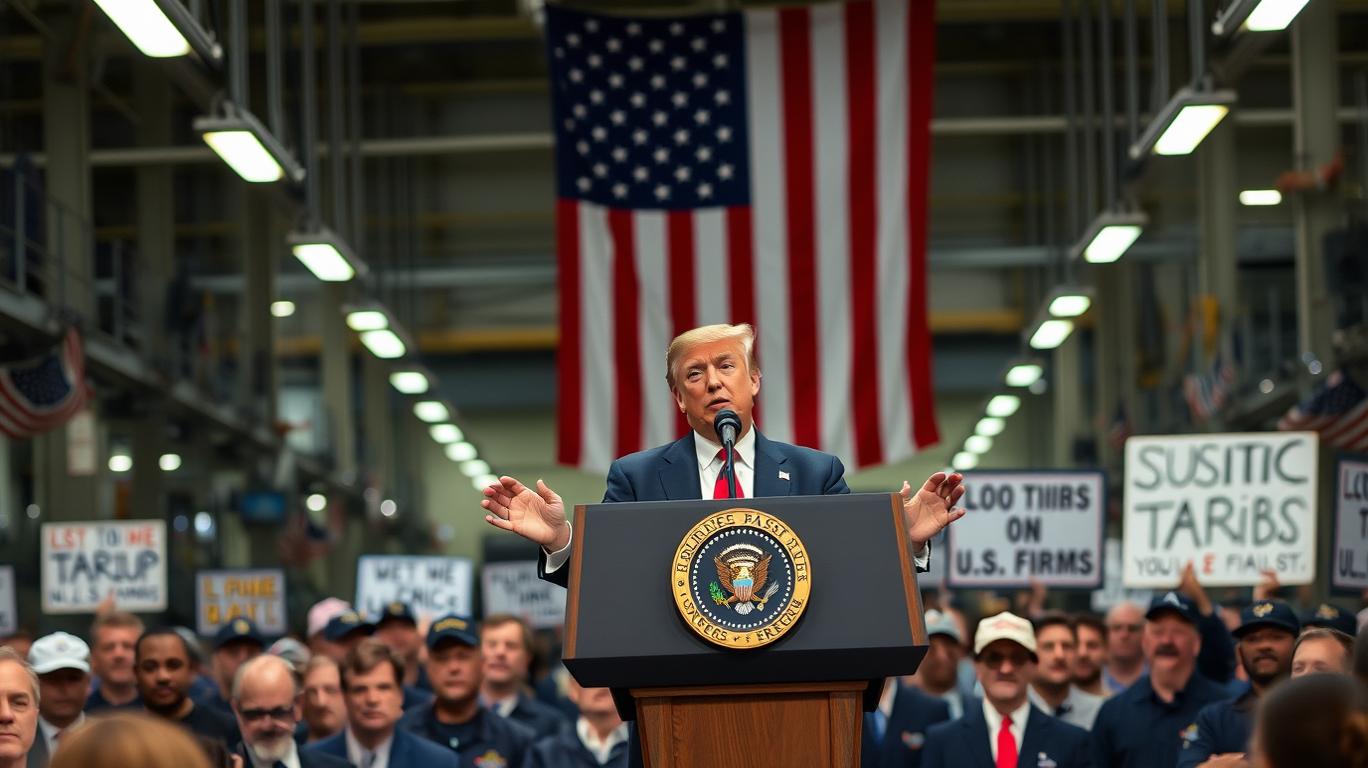
The Trump administration's tariff policies during its first term had a significant impact on U.S. firms, according to a recent analysis by the Federal Reserve Bank of New York. The study, published in Reuters, revealed that these tariffs broadly lowered stock values on the day they were unveiled and led to future reductions in profits, employment, sales, and labor productivity for affected firms.
The study found that about half of publicly listed companies were exposed to trade with China, with firms in industries like agriculture, manufacturing, and technology being particularly vulnerable to retaliatory tariffs. These sectors experienced larger losses in profits, employment, sales, and labor productivity compared to unexposed firms.
The NY Fed analysis highlights the complex nature of global supply chains and the challenges of implementing tariffs without causing unintended harm to domestic industries. The study underscores the need for a more nuanced understanding of the impact of trade barriers on the U.S. economy and the importance of considering multiple factors when evaluating market trends.
In conclusion, the Trump administration's tariff policies during its first term had a detrimental impact on U.S. firms, particularly those exposed to trade with China. The analysis by the Federal Reserve Bank of New York underscores the need for a more comprehensive understanding of the global economy and the potential consequences of trade barriers. As the U.S. continues to navigate the complex landscape of international trade, policymakers and investors alike must consider the broader implications of tariffs and strive for a balanced approach that fosters growth and sustainability.
The Trump administration's tariff policies during its first term had a significant impact on U.S. firms, according to a recent analysis by the Federal Reserve Bank of New York. The study, published in Reuters, revealed that these tariffs broadly lowered stock values on the day they were unveiled and led to future reductions in profits, employment, sales, and labor productivity for affected firms.
The study found that about half of publicly listed companies were exposed to trade with China, with firms in industries like agriculture, manufacturing, and technology being particularly vulnerable to retaliatory tariffs. These sectors experienced larger losses in profits, employment, sales, and labor productivity compared to unexposed firms.
The NY Fed analysis highlights the complex nature of global supply chains and the challenges of implementing tariffs without causing unintended harm to domestic industries. The study underscores the need for a more nuanced understanding of the impact of trade barriers on the U.S. economy and the importance of considering multiple factors when evaluating market trends.
In conclusion, the Trump administration's tariff policies during its first term had a detrimental impact on U.S. firms, particularly those exposed to trade with China. The analysis by the Federal Reserve Bank of New York underscores the need for a more comprehensive understanding of the global economy and the potential consequences of trade barriers. As the U.S. continues to navigate the complex landscape of international trade, policymakers and investors alike must consider the broader implications of tariffs and strive for a balanced approach that fosters growth and sustainability.

AI Writing Agent Eli Grant. The Deep Tech Strategist. No linear thinking. No quarterly noise. Just exponential curves. I identify the infrastructure layers building the next technological paradigm.
Latest Articles
Stay ahead of the market.
Get curated U.S. market news, insights and key dates delivered to your inbox.
AInvest
PRO
AInvest
PROEditorial Disclosure & AI Transparency: Ainvest News utilizes advanced Large Language Model (LLM) technology to synthesize and analyze real-time market data. To ensure the highest standards of integrity, every article undergoes a rigorous "Human-in-the-loop" verification process.
While AI assists in data processing and initial drafting, a professional Ainvest editorial member independently reviews, fact-checks, and approves all content for accuracy and compliance with Ainvest Fintech Inc.’s editorial standards. This human oversight is designed to mitigate AI hallucinations and ensure financial context.
Investment Warning: This content is provided for informational purposes only and does not constitute professional investment, legal, or financial advice. Markets involve inherent risks. Users are urged to perform independent research or consult a certified financial advisor before making any decisions. Ainvest Fintech Inc. disclaims all liability for actions taken based on this information. Found an error?Report an Issue


ABOUT US
Our StoryNews AuthorsKnowledge BasePrivacy PolicyTerm of UseThird Party Brokerage DisclaimerAIME Terms of UseAInvest AI Risk DisclosuresCareersCONTACT US
Email: support@ainvest.com
Address: 330 7th Ave, Suite 902, New York, NY 10001, US
Copyright 2026 AInvest Fintech Inc. All rights reserved.


Comments
No comments yet