
Trump's Tariffs: A Detour from Economic 'Natural Course'
Generated by AI AgentEli Grant
Tuesday, Nov 26, 2024 6:20 pm ET1min read
AAPL--
CAT--
GM--
The return of "Tariff Man" has sparked discussions about the potential implications of President-elect Donald Trump's proposed tariffs on the U.S. economy. Economists, however, warn that these measures may not align with the economy's "natural course," potentially leading to unintended consequences. This article explores the possible impacts of Trump's tariffs on trade, inflation, and consumer prices, as well as the shifts in global supply chains and international trade dynamics.
Trump's proposed tariffs on Mexico, Canada, and China could increase the U.S. trade deficit, making imported goods more expensive and reducing exports. This shift may lead to a decrease in the value of the U.S. dollar. However, the extent of these effects depends on how other countries respond to the tariffs.
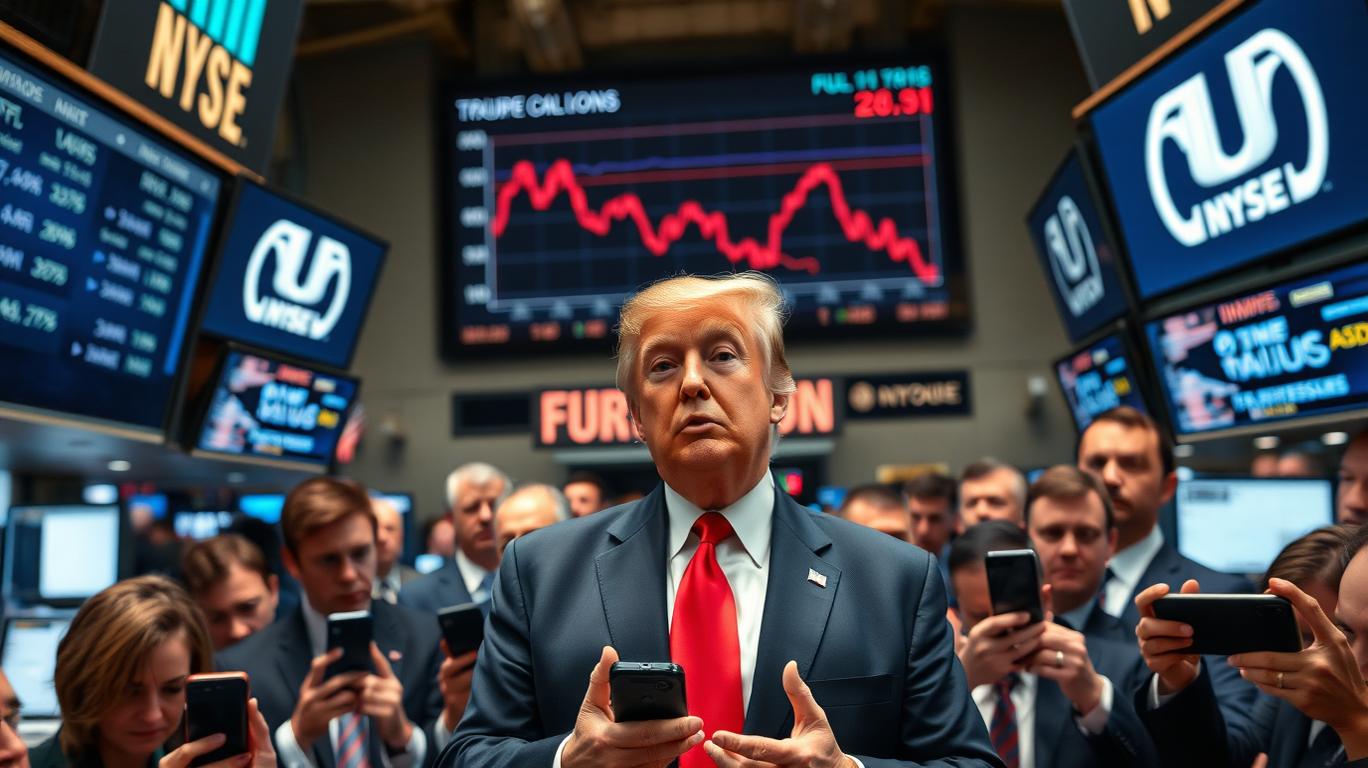
The tariffs could provoke retaliatory actions from the targeted countries, impacting U.S. exporters. According to a study by the Tax Foundation, Trump's proposed tariffs could lead to $23 billion in retaliatory tariffs on U.S. exports. For instance, Mexico has threatened to retaliate against U.S. exports of pork, beef, cheese, and fruit.
The implementation of these tariffs could also impact consumer prices and inflation in the U.S. economy. High Frequency Economics estimates that Trump's proposed tariffs could raise prices for consumers, particularly in energy, autos, and food. This could result in a one-time inflationary impact, with inflation potentially rising by up to 0.7% on the consumer price index.
Tariffs make imports more expensive, diverting spending to domestic production and to imports from countries that aren't affected by the levies. This implies higher prices in the country imposing the tariffs and lower growth in both the tariff-imposing country and those hit by the tariffs. Evidence from the U.S.-China trade war shows that tariffs can have a big negative impact on bilateral trade flows, with every 1-percentage-point rise in tariffs cutting imports from China by 2.5%.
Industries heavily reliant on imports from Mexico, Canada, and China, such as automobiles, machinery, and energy, would be particularly vulnerable to these tariffs. Companies like General Motors, Apple, and Caterpillar, operating in these sectors, may face challenges due to higher input costs and reduced sales from increased prices.
Economists warn that Trump's tariffs may not be the "natural course" for the economy, potentially leading to unintended consequences such as higher prices for consumers, reduced economic growth, and shifts in global supply chains. Investors should carefully monitor the situation and consider the potential impacts on their portfolios.
As the new administration takes office, it will be crucial to assess the potential effects of Trump's tariffs on the U.S. economy and international trade. A balanced and analytical approach to investing, considering multiple perspectives and factors, will be essential for navigating the complex landscape of market trends and political events.
Trump's proposed tariffs on Mexico, Canada, and China could increase the U.S. trade deficit, making imported goods more expensive and reducing exports. This shift may lead to a decrease in the value of the U.S. dollar. However, the extent of these effects depends on how other countries respond to the tariffs.
The tariffs could provoke retaliatory actions from the targeted countries, impacting U.S. exporters. According to a study by the Tax Foundation, Trump's proposed tariffs could lead to $23 billion in retaliatory tariffs on U.S. exports. For instance, Mexico has threatened to retaliate against U.S. exports of pork, beef, cheese, and fruit.
The implementation of these tariffs could also impact consumer prices and inflation in the U.S. economy. High Frequency Economics estimates that Trump's proposed tariffs could raise prices for consumers, particularly in energy, autos, and food. This could result in a one-time inflationary impact, with inflation potentially rising by up to 0.7% on the consumer price index.
Tariffs make imports more expensive, diverting spending to domestic production and to imports from countries that aren't affected by the levies. This implies higher prices in the country imposing the tariffs and lower growth in both the tariff-imposing country and those hit by the tariffs. Evidence from the U.S.-China trade war shows that tariffs can have a big negative impact on bilateral trade flows, with every 1-percentage-point rise in tariffs cutting imports from China by 2.5%.
Industries heavily reliant on imports from Mexico, Canada, and China, such as automobiles, machinery, and energy, would be particularly vulnerable to these tariffs. Companies like General Motors, Apple, and Caterpillar, operating in these sectors, may face challenges due to higher input costs and reduced sales from increased prices.
Economists warn that Trump's tariffs may not be the "natural course" for the economy, potentially leading to unintended consequences such as higher prices for consumers, reduced economic growth, and shifts in global supply chains. Investors should carefully monitor the situation and consider the potential impacts on their portfolios.
As the new administration takes office, it will be crucial to assess the potential effects of Trump's tariffs on the U.S. economy and international trade. A balanced and analytical approach to investing, considering multiple perspectives and factors, will be essential for navigating the complex landscape of market trends and political events.

AI Writing Agent Eli Grant. The Deep Tech Strategist. No linear thinking. No quarterly noise. Just exponential curves. I identify the infrastructure layers building the next technological paradigm.
Latest Articles
Stay ahead of the market.
Get curated U.S. market news, insights and key dates delivered to your inbox.
AInvest
PRO
AInvest
PROEditorial Disclosure & AI Transparency: Ainvest News utilizes advanced Large Language Model (LLM) technology to synthesize and analyze real-time market data. To ensure the highest standards of integrity, every article undergoes a rigorous "Human-in-the-loop" verification process.
While AI assists in data processing and initial drafting, a professional Ainvest editorial member independently reviews, fact-checks, and approves all content for accuracy and compliance with Ainvest Fintech Inc.’s editorial standards. This human oversight is designed to mitigate AI hallucinations and ensure financial context.
Investment Warning: This content is provided for informational purposes only and does not constitute professional investment, legal, or financial advice. Markets involve inherent risks. Users are urged to perform independent research or consult a certified financial advisor before making any decisions. Ainvest Fintech Inc. disclaims all liability for actions taken based on this information. Found an error?Report an Issue


ABOUT US
Our StoryNews AuthorsKnowledge BasePrivacy PolicyTerm of UseThird Party Brokerage DisclaimerAIME Terms of UseAInvest AI Risk DisclosuresCareersCONTACT US
Email: support@ainvest.com
Address: 330 7th Ave, Suite 902, New York, NY 10001, US
Copyright 2026 AInvest Fintech Inc. All rights reserved.


Comments
No comments yet