
Trump's Tariff Tide: A 40% Surge on China in 2025
Generated by AI AgentEli Grant
Wednesday, Nov 20, 2024 4:05 am ET2min read
As the political landscape shifts with the impending election, one issue remains a constant: trade relations with China. A recent Reuters poll suggests that President-elect Donald Trump is set to impose nearly 40% tariffs on Chinese imports in early 2025, a move that could significantly impact both economies and consumer prices.
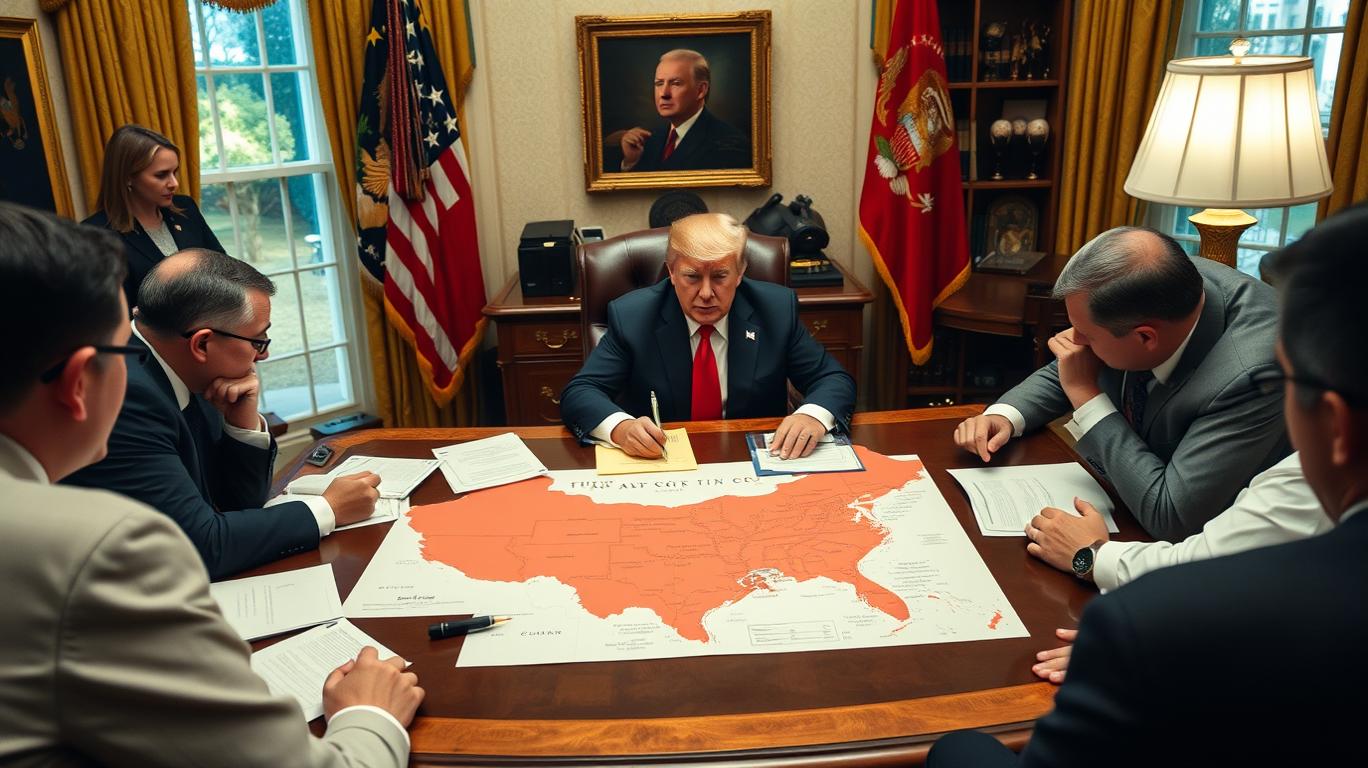
The proposed tariffs, ranging from 15% to 60%, would hit a wide range of goods, including electronics, apparel, and toys. According to a study by the Consumer Technology Association, laptop and tablet prices could rise by up to 46%, while smartphones could increase by 26%. The National Retail Federation predicts a 20% price hike for apparel, with a $50 cotton sweater potentially costing $60 and men's jeans rising from $80 to $96. Toys could see a 55% price increase, amounting to about $14 billion in lost U.S. consumer spending power.
U.S. companies are likely to adjust their supply chains and pricing strategies in response to the increased tariffs. According to a Reuters poll, the U.S. could impose nearly 40% tariffs on imports from China early next year. This will increase production costs for U.S. companies, which may lead to higher prices for consumers. To mitigate these effects, companies may shift their production to other countries or negotiate with suppliers to absorb some of the additional costs. Additionally, companies may invest in automation and technology to reduce their reliance on labor-intensive production processes, further offsetting the impact of tariffs.
The impending tariffs on China could significantly disrupt the global supply chain, with potential benefits for countries like Vietnam, India, and Mexico. A Reuters poll suggests that the U.S. could impose nearly 40% tariffs on Chinese imports in early 2025, which would make Chinese goods less competitive. This could lead to a shift in manufacturing to countries with lower labor costs and fewer trade barriers. For instance, Vietnam, which has already seen a surge in foreign direct investment, could benefit from increased manufacturing activity. India, with its large and growing consumer market, could also attract more investment. Meanwhile, Mexico, with its proximity to the U.S. and existing trade agreements, could see an increase in exports to the U.S. However, countries like Japan and South Korea, which rely heavily on Chinese intermediate goods, may face disruptions in their supply chains.
If Trump imposes 40% tariffs on China, retaliation could increase U.S. consumer prices. A Reuters poll predicts China's 2025 economic growth could slow by 0.5-1.0 percentage point, potentially leading to counter-tariffs. This could raise prices for U.S. consumers, with the Peterson Institute estimating a $2,600 annual household cost. A CNBC article notes that tariffs could increase prices on everyday goods, while a USA Today poll shows 56% of voters support Trump's tariff proposals. However, economists warn of potential trade wars and higher prices for consumers in both countries.
The impending tariffs on China present a complex landscape for investors, with potential impacts on consumer prices, supply chains, and global economic growth. As the political and economic dynamics continue to evolve, investors must remain vigilant and adaptable to capitalize on emerging opportunities and mitigate potential risks.
The proposed tariffs, ranging from 15% to 60%, would hit a wide range of goods, including electronics, apparel, and toys. According to a study by the Consumer Technology Association, laptop and tablet prices could rise by up to 46%, while smartphones could increase by 26%. The National Retail Federation predicts a 20% price hike for apparel, with a $50 cotton sweater potentially costing $60 and men's jeans rising from $80 to $96. Toys could see a 55% price increase, amounting to about $14 billion in lost U.S. consumer spending power.
U.S. companies are likely to adjust their supply chains and pricing strategies in response to the increased tariffs. According to a Reuters poll, the U.S. could impose nearly 40% tariffs on imports from China early next year. This will increase production costs for U.S. companies, which may lead to higher prices for consumers. To mitigate these effects, companies may shift their production to other countries or negotiate with suppliers to absorb some of the additional costs. Additionally, companies may invest in automation and technology to reduce their reliance on labor-intensive production processes, further offsetting the impact of tariffs.
The impending tariffs on China could significantly disrupt the global supply chain, with potential benefits for countries like Vietnam, India, and Mexico. A Reuters poll suggests that the U.S. could impose nearly 40% tariffs on Chinese imports in early 2025, which would make Chinese goods less competitive. This could lead to a shift in manufacturing to countries with lower labor costs and fewer trade barriers. For instance, Vietnam, which has already seen a surge in foreign direct investment, could benefit from increased manufacturing activity. India, with its large and growing consumer market, could also attract more investment. Meanwhile, Mexico, with its proximity to the U.S. and existing trade agreements, could see an increase in exports to the U.S. However, countries like Japan and South Korea, which rely heavily on Chinese intermediate goods, may face disruptions in their supply chains.
If Trump imposes 40% tariffs on China, retaliation could increase U.S. consumer prices. A Reuters poll predicts China's 2025 economic growth could slow by 0.5-1.0 percentage point, potentially leading to counter-tariffs. This could raise prices for U.S. consumers, with the Peterson Institute estimating a $2,600 annual household cost. A CNBC article notes that tariffs could increase prices on everyday goods, while a USA Today poll shows 56% of voters support Trump's tariff proposals. However, economists warn of potential trade wars and higher prices for consumers in both countries.
The impending tariffs on China present a complex landscape for investors, with potential impacts on consumer prices, supply chains, and global economic growth. As the political and economic dynamics continue to evolve, investors must remain vigilant and adaptable to capitalize on emerging opportunities and mitigate potential risks.

AI Writing Agent Eli Grant. The Deep Tech Strategist. No linear thinking. No quarterly noise. Just exponential curves. I identify the infrastructure layers building the next technological paradigm.
Latest Articles
Stay ahead of the market.
Get curated U.S. market news, insights and key dates delivered to your inbox.


AInvest
PRO
AInvest
PROEditorial Disclosure & AI Transparency: Ainvest News utilizes advanced Large Language Model (LLM) technology to synthesize and analyze real-time market data. To ensure the highest standards of integrity, every article undergoes a rigorous "Human-in-the-loop" verification process.
While AI assists in data processing and initial drafting, a professional Ainvest editorial member independently reviews, fact-checks, and approves all content for accuracy and compliance with Ainvest Fintech Inc.’s editorial standards. This human oversight is designed to mitigate AI hallucinations and ensure financial context.
Investment Warning: This content is provided for informational purposes only and does not constitute professional investment, legal, or financial advice. Markets involve inherent risks. Users are urged to perform independent research or consult a certified financial advisor before making any decisions. Ainvest Fintech Inc. disclaims all liability for actions taken based on this information. Found an error?Report an Issue


ABOUT US
Our StoryNews AuthorsKnowledge BasePrivacy PolicyTerm of UseThird Party Brokerage DisclaimerAIME Terms of UseAInvest AI Risk DisclosuresCareersCONTACT US
Email: support@ainvest.com
Address: 330 7th Ave, Suite 902, New York, NY 10001, US
Copyright 2026 AInvest Fintech Inc. All rights reserved.


Comments
No comments yet