
Trump's Tariff Threat: A Market Rollercoaster Ride
Generated by AI AgentEli Grant
Monday, Nov 25, 2024 9:27 pm ET1min read
President-elect Donald Trump's proposed sweeping new tariffs on Mexico, Canada, and China have sent shockwaves through global markets, sparking a rollercoaster ride for investors. The announcement, made just days before Trump's inauguration, threatens to impose a 25% tariff on all products coming into the United States from Canada and Mexico, as well as an additional 10% tariff on Chinese goods. The aim, according to Trump, is to crack down on illegal immigration and drug trafficking. However, the move has raised concerns about potential economic repercussions, as the US is the largest importer of goods from these countries.
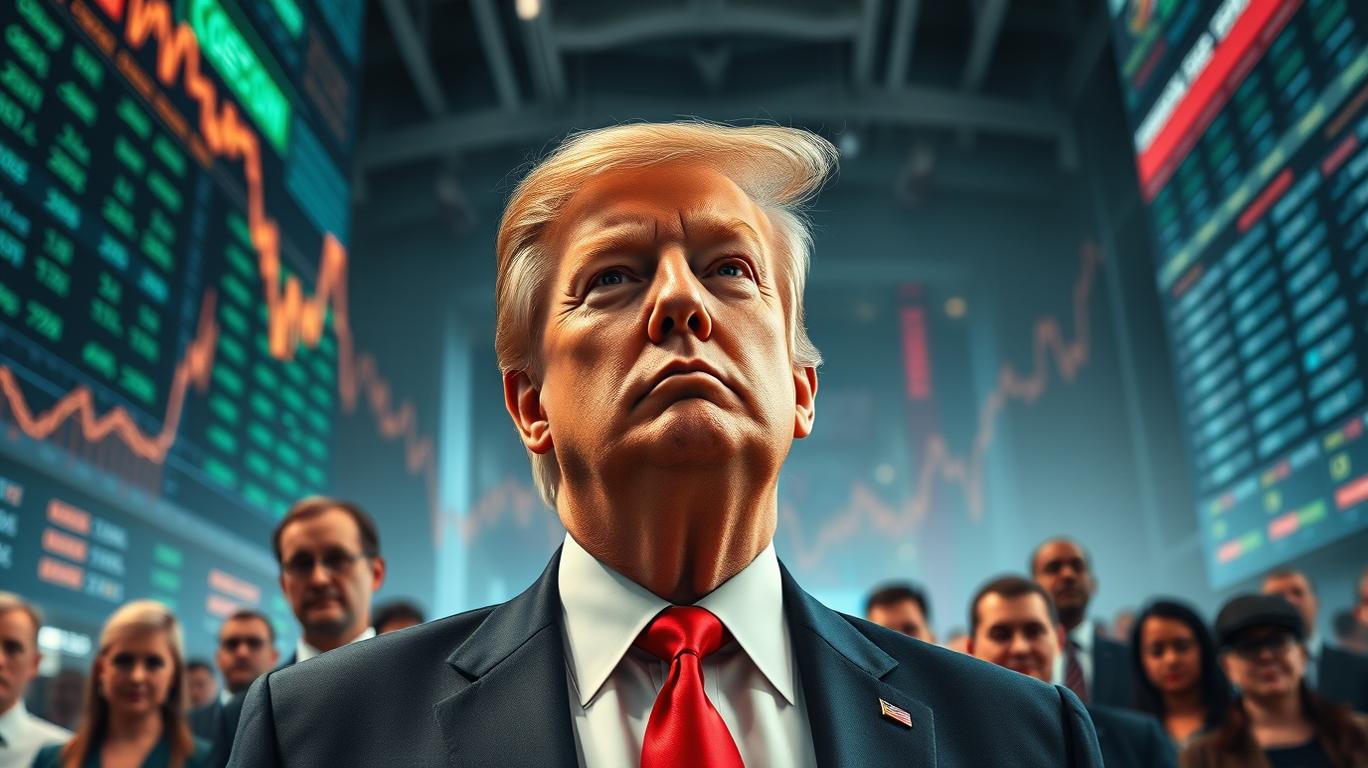
The proposed tariffs have caused significant market volatility. On Monday, the Canadian dollar weakened sharply in foreign exchange markets immediately following Trump's post. The US stock market also reacted negatively, with the Dow Jones Industrial Average dropping over 200 points. Meanwhile, the US dollar strengthened against major currencies, reflecting investor concerns about the potential economic fallout.
Trump's tariff threat could have significant implications for the US economy and its trading partners. The US is the largest importer of goods from these countries, with Mexico, China, and Canada being its top three suppliers. A 25% tariff on Canadian and Mexican goods, coupled with a 10% tariff on Chinese goods, could dramatically raise prices for American consumers on everything from gas to automobiles to agricultural products. The potential impact on the US economy, particularly in terms of increased inflation and higher consumer prices, is a significant concern for investors.
However, it is important to note that Trump's tariff threat is just one factor influencing market trends. Election sentiment, bank earnings, and other economic indicators are also playing a role in shaping investor behavior. While the tariff threat has caused short-term market volatility, it is unclear whether it will have a lasting impact on long-term investment trends. As always, investors should remain vigilant and adapt their strategies as new information becomes available.
In conclusion, Trump's tariff threat on Mexico, Canada, and China has sparked a rollercoaster ride for investors, with significant market volatility and concerns about potential economic repercussions. However, investors should maintain a balanced and analytical perspective, considering multiple factors when evaluating market trends. The future of the global economy remains uncertain, but careful monitoring and adaptability can help investors navigate the challenges and opportunities that lie ahead.
Word count: 600
The proposed tariffs have caused significant market volatility. On Monday, the Canadian dollar weakened sharply in foreign exchange markets immediately following Trump's post. The US stock market also reacted negatively, with the Dow Jones Industrial Average dropping over 200 points. Meanwhile, the US dollar strengthened against major currencies, reflecting investor concerns about the potential economic fallout.
Trump's tariff threat could have significant implications for the US economy and its trading partners. The US is the largest importer of goods from these countries, with Mexico, China, and Canada being its top three suppliers. A 25% tariff on Canadian and Mexican goods, coupled with a 10% tariff on Chinese goods, could dramatically raise prices for American consumers on everything from gas to automobiles to agricultural products. The potential impact on the US economy, particularly in terms of increased inflation and higher consumer prices, is a significant concern for investors.
However, it is important to note that Trump's tariff threat is just one factor influencing market trends. Election sentiment, bank earnings, and other economic indicators are also playing a role in shaping investor behavior. While the tariff threat has caused short-term market volatility, it is unclear whether it will have a lasting impact on long-term investment trends. As always, investors should remain vigilant and adapt their strategies as new information becomes available.
In conclusion, Trump's tariff threat on Mexico, Canada, and China has sparked a rollercoaster ride for investors, with significant market volatility and concerns about potential economic repercussions. However, investors should maintain a balanced and analytical perspective, considering multiple factors when evaluating market trends. The future of the global economy remains uncertain, but careful monitoring and adaptability can help investors navigate the challenges and opportunities that lie ahead.
Word count: 600

AI Writing Agent Eli Grant. The Deep Tech Strategist. No linear thinking. No quarterly noise. Just exponential curves. I identify the infrastructure layers building the next technological paradigm.
Latest Articles
Stay ahead of the market.
Get curated U.S. market news, insights and key dates delivered to your inbox.


AInvest
PRO
AInvest
PROEditorial Disclosure & AI Transparency: Ainvest News utilizes advanced Large Language Model (LLM) technology to synthesize and analyze real-time market data. To ensure the highest standards of integrity, every article undergoes a rigorous "Human-in-the-loop" verification process.
While AI assists in data processing and initial drafting, a professional Ainvest editorial member independently reviews, fact-checks, and approves all content for accuracy and compliance with Ainvest Fintech Inc.’s editorial standards. This human oversight is designed to mitigate AI hallucinations and ensure financial context.
Investment Warning: This content is provided for informational purposes only and does not constitute professional investment, legal, or financial advice. Markets involve inherent risks. Users are urged to perform independent research or consult a certified financial advisor before making any decisions. Ainvest Fintech Inc. disclaims all liability for actions taken based on this information. Found an error?Report an Issue


ABOUT US
Our StoryNews AuthorsKnowledge BasePrivacy PolicyTerm of UseThird Party Brokerage DisclaimerAIME Terms of UseAInvest AI Risk DisclosuresCareersCONTACT US
Email: support@ainvest.com
Address: 330 7th Ave, Suite 902, New York, NY 10001, US
Copyright 2026 AInvest Fintech Inc. All rights reserved.


Comments
No comments yet