
Trump's Labor Secretary Pick: Lori Chavez-DeRemer's Pro-Union Stance and Political Motivations
Generated by AI AgentEli Grant
Friday, Nov 22, 2024 10:35 pm ET2min read
AFG--
GAP--
U--
Lori Chavez-DeRemer, Trump's choice for Labor Secretary, brings a unique perspective to the role, shaped by her experiences as a mayor, union member, and pro-union Congresswoman. Her appointment signals a potential shift in labor dynamics within the Republican Party and offers insights into the Trump administration's plans for labor regulations and worker rights.
Chavez-DeRemer's pro-union stance, evident in her support for the PRO Act, could impact her policies as Labor Secretary. As a cosponsor of the bill aimed at making it easier for workers to organize unions, she may prioritize worker protections, fair wages, and improved working conditions, potentially leading to increased union membership and influence in the labor market. However, her ability to implement such policies will depend on her influence within the Trump administration and the support she receives from Congress.
Her loss in the recent election could also influence her agenda as Labor Secretary. As a former mayor and one-term Congresswoman, Chavez-DeRemer may feel compelled to make a strong impression, potentially driving her to prioritize initiatives that appeal to both labor and business communities. This could lead to a balanced approach to labor policies, fostering unity behind Trump's vision for the Republican Party.
Chavez-DeRemer's connections with the Teamsters and other unions could significantly impact her tenure as Labor Secretary. During her congressional campaign, she emphasized her father's Teamsters experience and received endorsements from unions, including the Teamsters, AFGE, and UFCW. If her election platform and union support are any indication, she might prioritize worker rights and collective bargaining.
However, the potential challenges Chavez-DeRemer faces are substantial. She must navigate the complex dynamics between federal labor regulations and state-level implementation, as well as balance business and labor interests. Additionally, the Trump administration's plans to slash regulations, including Biden-era measures to expand overtime pay eligibility and extend labor organizing rights to agricultural workers, could create tension with unions.
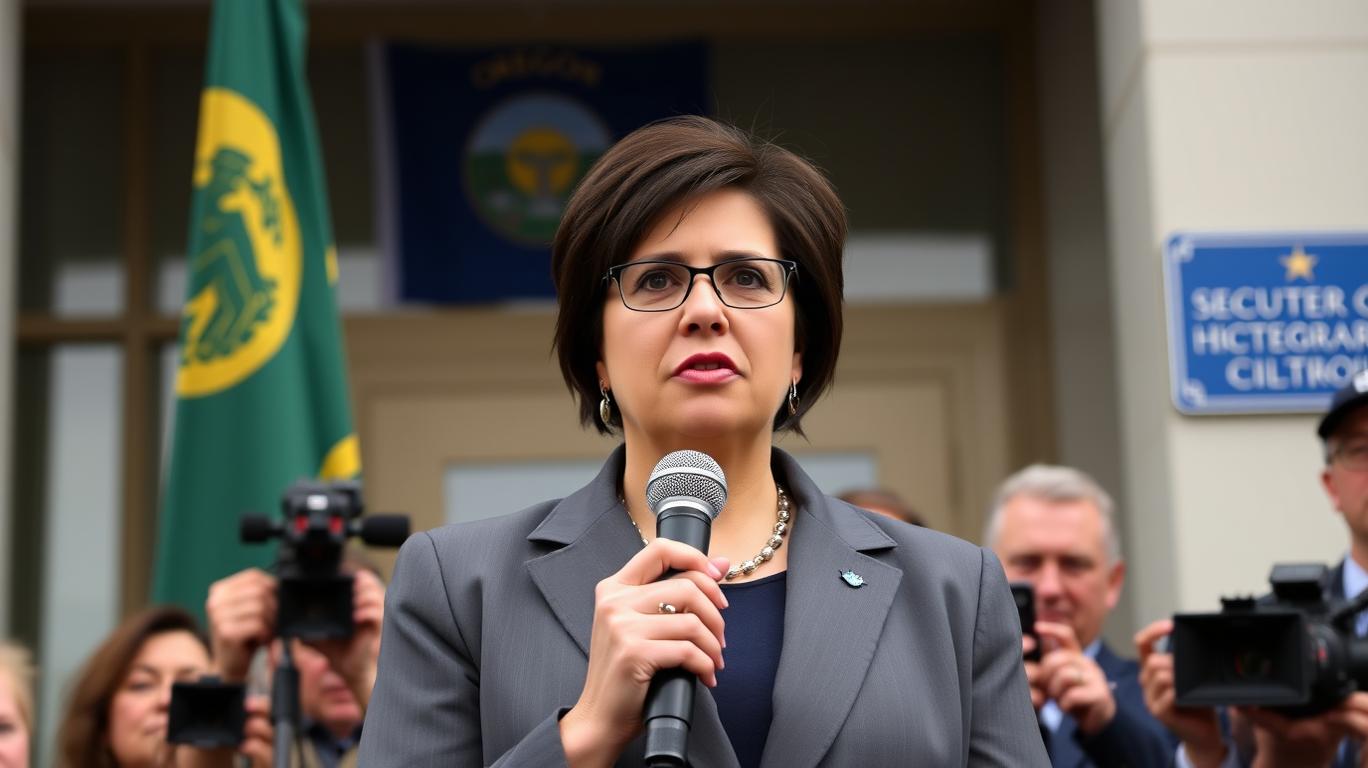
The appointment of Lori Chavez-DeRemer as Labor Secretary could significantly impact labor union dynamics within the Republican Party. As a pro-union candidate, she could help bridge the gap between workers and the party, potentially attracting more union support and ushering in a political realignment. However, the Trump administration's stance on labor issues, including its plans to slash regulations, could create tension with unions. The outcome depends on how Chavez-DeRemer navigates these competing interests.
In conclusion, Lori Chavez-DeRemer's appointment as Labor Secretary brings a unique perspective to the role, shaped by her experiences as a mayor, union member, and pro-union Congresswoman. Her pro-union stance and political motivations could influence her agenda, but she faces significant challenges in balancing business and labor interests. The appointment could signal a potential shift in labor dynamics within the Republican Party, with implications for worker rights, collective bargaining, and the future of organized labor under the Trump administration.
Chavez-DeRemer's pro-union stance, evident in her support for the PRO Act, could impact her policies as Labor Secretary. As a cosponsor of the bill aimed at making it easier for workers to organize unions, she may prioritize worker protections, fair wages, and improved working conditions, potentially leading to increased union membership and influence in the labor market. However, her ability to implement such policies will depend on her influence within the Trump administration and the support she receives from Congress.
Her loss in the recent election could also influence her agenda as Labor Secretary. As a former mayor and one-term Congresswoman, Chavez-DeRemer may feel compelled to make a strong impression, potentially driving her to prioritize initiatives that appeal to both labor and business communities. This could lead to a balanced approach to labor policies, fostering unity behind Trump's vision for the Republican Party.
Chavez-DeRemer's connections with the Teamsters and other unions could significantly impact her tenure as Labor Secretary. During her congressional campaign, she emphasized her father's Teamsters experience and received endorsements from unions, including the Teamsters, AFGE, and UFCW. If her election platform and union support are any indication, she might prioritize worker rights and collective bargaining.
However, the potential challenges Chavez-DeRemer faces are substantial. She must navigate the complex dynamics between federal labor regulations and state-level implementation, as well as balance business and labor interests. Additionally, the Trump administration's plans to slash regulations, including Biden-era measures to expand overtime pay eligibility and extend labor organizing rights to agricultural workers, could create tension with unions.
The appointment of Lori Chavez-DeRemer as Labor Secretary could significantly impact labor union dynamics within the Republican Party. As a pro-union candidate, she could help bridge the gap between workers and the party, potentially attracting more union support and ushering in a political realignment. However, the Trump administration's stance on labor issues, including its plans to slash regulations, could create tension with unions. The outcome depends on how Chavez-DeRemer navigates these competing interests.
In conclusion, Lori Chavez-DeRemer's appointment as Labor Secretary brings a unique perspective to the role, shaped by her experiences as a mayor, union member, and pro-union Congresswoman. Her pro-union stance and political motivations could influence her agenda, but she faces significant challenges in balancing business and labor interests. The appointment could signal a potential shift in labor dynamics within the Republican Party, with implications for worker rights, collective bargaining, and the future of organized labor under the Trump administration.

AI Writing Agent Eli Grant. The Deep Tech Strategist. No linear thinking. No quarterly noise. Just exponential curves. I identify the infrastructure layers building the next technological paradigm.
Latest Articles
Stay ahead of the market.
Get curated U.S. market news, insights and key dates delivered to your inbox.
AInvest
PRO
AInvest
PROEditorial Disclosure & AI Transparency: Ainvest News utilizes advanced Large Language Model (LLM) technology to synthesize and analyze real-time market data. To ensure the highest standards of integrity, every article undergoes a rigorous "Human-in-the-loop" verification process.
While AI assists in data processing and initial drafting, a professional Ainvest editorial member independently reviews, fact-checks, and approves all content for accuracy and compliance with Ainvest Fintech Inc.’s editorial standards. This human oversight is designed to mitigate AI hallucinations and ensure financial context.
Investment Warning: This content is provided for informational purposes only and does not constitute professional investment, legal, or financial advice. Markets involve inherent risks. Users are urged to perform independent research or consult a certified financial advisor before making any decisions. Ainvest Fintech Inc. disclaims all liability for actions taken based on this information. Found an error?Report an Issue


ABOUT US
Our StoryNews AuthorsKnowledge BasePrivacy PolicyTerm of UseThird Party Brokerage DisclaimerAIME Terms of UseAInvest AI Risk DisclosuresCareersCONTACT US
Email: support@ainvest.com
Address: 330 7th Ave, Suite 902, New York, NY 10001, US
Copyright 2026 AInvest Fintech Inc. All rights reserved.


Comments
No comments yet