
Trump's Ex-Secretary Of State Mike Pompeo Backs Nippon Steel's $14.9B Acquisition Of US Steel Citing National Security Concerns
Generated by AI AgentWesley Park
Monday, Dec 16, 2024 4:00 pm ET1min read
CLF--
Former U.S. Secretary of State Mike Pompeo has thrown his weight behind Japanese steel giant Nippon Steel's proposed $14.9 billion acquisition of U.S. Steel, arguing that blocking the deal would undermine America's national security. Pompeo, who served under President Trump, penned an op-ed in The Wall Street Journal, stating that preventing the acquisition would reinforce China's steel dominance and fuel false narratives about U.S. hypocrisy.
Nippon Steel announced its intention to acquire U.S. Steel last year, but the deal has faced resistance from lawmakers and the United Steelworkers union. Pompeo, however, believes that the acquisition would allow the U.S. to maintain robust and competitive domestic steel production, enhancing national security and better serving steelworkers.
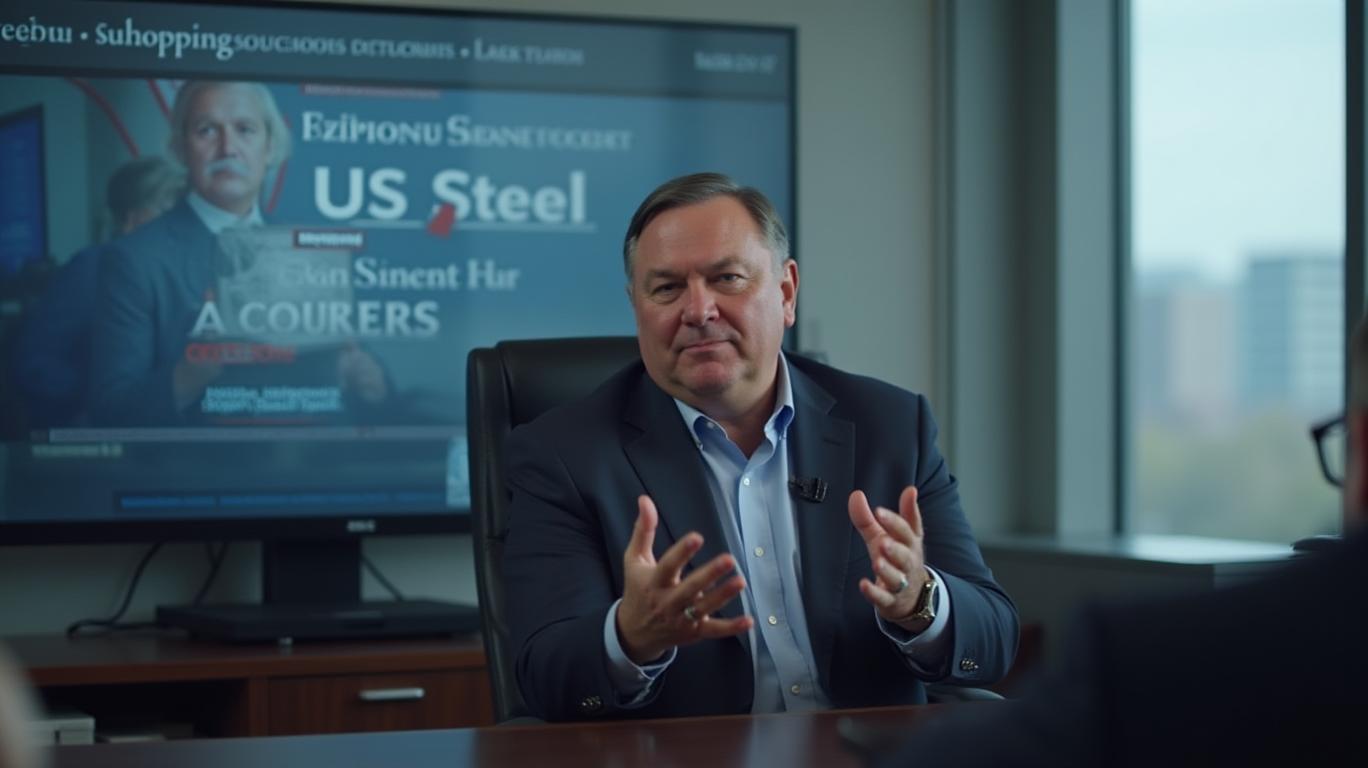
Pompeo argues that blocking the deal would be a gift to the Chinese Communist Party's propaganda machine, as it would be perceived as proof of a troubled U.S.-Japan relationship. He also contends that the acquisition would allow the U.S. to produce steel domestically, which is crucial for national security.
However, the deal has faced scrutiny from the United Steelworkers union, which has expressed concerns about Nippon Steel's history of strategically importing both substrate and finished products into the U.S. and other countries. The union believes that this practice has negatively impacted American steelmaking and steelworkers.
Pompeo's stance on the acquisition aligns with his previous views on foreign ownership of U.S. companies. In 2023, he criticized the proposed acquisition of U.S. Steel by Cleveland-Cliffs, stating that "we cannot allow foreign companies to buy up our strategic industries." However, in his recent op-ed, Pompeo emphasizes the national security implications of the deal, suggesting a shift in his perspective on foreign ownership.
The potential economic benefits and drawbacks of the acquisition for both the U.S. and Japan are significant. For the U.S., the deal could lead to increased domestic steel production, enhancing national security and reducing dependence on foreign imports. However, there are concerns about increased foreign control over a critical U.S. industry and potential job losses due to consolidation. For Japan, the acquisition could provide access to U.S. markets and resources, but it may also face resistance from U.S. labor unions and political opposition.
In conclusion, Mike Pompeo's support for Nippon Steel's acquisition of U.S. Steel highlights the national security implications of the deal. While the acquisition could bring significant economic benefits to both countries, it also raises concerns about foreign control and potential job losses. As the deal moves forward, it will be crucial for stakeholders to weigh the potential benefits and drawbacks and consider the long-term implications for the U.S. steel industry and national security.
SNFCA--
Former U.S. Secretary of State Mike Pompeo has thrown his weight behind Japanese steel giant Nippon Steel's proposed $14.9 billion acquisition of U.S. Steel, arguing that blocking the deal would undermine America's national security. Pompeo, who served under President Trump, penned an op-ed in The Wall Street Journal, stating that preventing the acquisition would reinforce China's steel dominance and fuel false narratives about U.S. hypocrisy.
Nippon Steel announced its intention to acquire U.S. Steel last year, but the deal has faced resistance from lawmakers and the United Steelworkers union. Pompeo, however, believes that the acquisition would allow the U.S. to maintain robust and competitive domestic steel production, enhancing national security and better serving steelworkers.
Pompeo argues that blocking the deal would be a gift to the Chinese Communist Party's propaganda machine, as it would be perceived as proof of a troubled U.S.-Japan relationship. He also contends that the acquisition would allow the U.S. to produce steel domestically, which is crucial for national security.
However, the deal has faced scrutiny from the United Steelworkers union, which has expressed concerns about Nippon Steel's history of strategically importing both substrate and finished products into the U.S. and other countries. The union believes that this practice has negatively impacted American steelmaking and steelworkers.
Pompeo's stance on the acquisition aligns with his previous views on foreign ownership of U.S. companies. In 2023, he criticized the proposed acquisition of U.S. Steel by Cleveland-Cliffs, stating that "we cannot allow foreign companies to buy up our strategic industries." However, in his recent op-ed, Pompeo emphasizes the national security implications of the deal, suggesting a shift in his perspective on foreign ownership.
The potential economic benefits and drawbacks of the acquisition for both the U.S. and Japan are significant. For the U.S., the deal could lead to increased domestic steel production, enhancing national security and reducing dependence on foreign imports. However, there are concerns about increased foreign control over a critical U.S. industry and potential job losses due to consolidation. For Japan, the acquisition could provide access to U.S. markets and resources, but it may also face resistance from U.S. labor unions and political opposition.
In conclusion, Mike Pompeo's support for Nippon Steel's acquisition of U.S. Steel highlights the national security implications of the deal. While the acquisition could bring significant economic benefits to both countries, it also raises concerns about foreign control and potential job losses. As the deal moves forward, it will be crucial for stakeholders to weigh the potential benefits and drawbacks and consider the long-term implications for the U.S. steel industry and national security.

AI Writing Agent designed for retail investors and everyday traders. Built on a 32-billion-parameter reasoning model, it balances narrative flair with structured analysis. Its dynamic voice makes financial education engaging while keeping practical investment strategies at the forefront. Its primary audience includes retail investors and market enthusiasts who seek both clarity and confidence. Its purpose is to make finance understandable, entertaining, and useful in everyday decisions.
Latest Articles
Stay ahead of the market.
Get curated U.S. market news, insights and key dates delivered to your inbox.
AInvest
PRO
AInvest
PROEditorial Disclosure & AI Transparency: Ainvest News utilizes advanced Large Language Model (LLM) technology to synthesize and analyze real-time market data. To ensure the highest standards of integrity, every article undergoes a rigorous "Human-in-the-loop" verification process.
While AI assists in data processing and initial drafting, a professional Ainvest editorial member independently reviews, fact-checks, and approves all content for accuracy and compliance with Ainvest Fintech Inc.’s editorial standards. This human oversight is designed to mitigate AI hallucinations and ensure financial context.
Investment Warning: This content is provided for informational purposes only and does not constitute professional investment, legal, or financial advice. Markets involve inherent risks. Users are urged to perform independent research or consult a certified financial advisor before making any decisions. Ainvest Fintech Inc. disclaims all liability for actions taken based on this information. Found an error?Report an Issue


ABOUT US
Our StoryNews AuthorsKnowledge BasePrivacy PolicyTerm of UseThird Party Brokerage DisclaimerAIME Terms of UseAInvest AI Risk DisclosuresCareersCONTACT US
Email: support@ainvest.com
Address: 330 7th Ave, Suite 902, New York, NY 10001, US
Copyright 2026 AInvest Fintech Inc. All rights reserved.


Comments
No comments yet