
Trump's EV Tax Credit Rollback: A Blessing in Disguise for Tesla?
Generated by AI AgentWesley Park
Tuesday, Jan 21, 2025 6:31 pm ET2min read
LCID--
As President Trump's administration rolls back the $7,500 EV tax credit, the electric vehicle (EV) industry braces for impact. While the move is expected to be 'devastating' for Tesla's competitors, it could prove to be a bullish catalyst for Elon Musk's company. Let's dive into the potential market shifts and explore why this policy change might benefit Tesla.
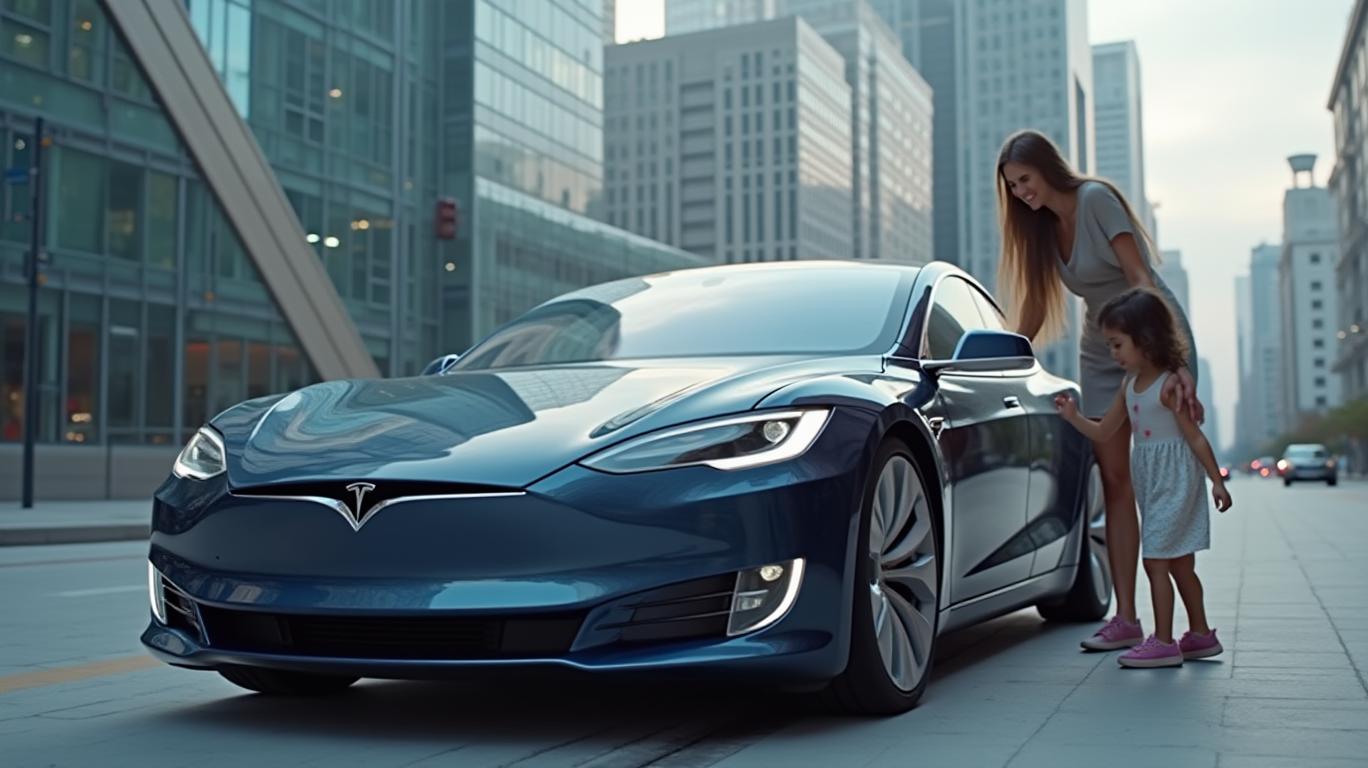
The elimination of the EV tax credit is expected to make electric vehicles less affordable for consumers, potentially leading to a 27% drop in annual EV registrations, according to a study by the International Energy Agency (IEA). This decline in demand could disproportionately affect smaller EV manufacturers, such as Rivian and Lucid, which rely heavily on government incentives to drive demand for their products.
However, Tesla, with its established brand and larger market share, may be better positioned to weather the storm. Wedbush analysts believe that Tesla's "unmatched" scale and longer history of making profitable EVs could give it a clear competitive advantage in a non-EV subsidy environment. Additionally, higher tariffs on Chinese imports could continue to push away cheaper Chinese EV players, further solidifying Tesla's market position in the US.
Tesla's stock price has been on a rollercoaster ride over the past three years, with significant volatility driven by various factors, including regulatory changes and market sentiment. Despite the ups and downs, Tesla's stock has consistently outperformed the broader market, as represented by the S&P 500 index.
As the EV tax credit is phased out, Tesla could benefit from reduced competition, as smaller players struggle to compete without the subsidy. This could lead to a consolidation of market share among established companies like Tesla and General Motors, which have the financial resources and economies of scale to offset the loss of the tax credit.
Moreover, Tesla's innovative approach to technology and its strong brand could help it maintain its appeal to environmentally conscious consumers, even in the absence of government incentives. The company's focus on over-the-air software updates, Autopilot, and Full Self-Driving (FSD) capabilities has helped it differentiate its products and maintain a competitive edge.
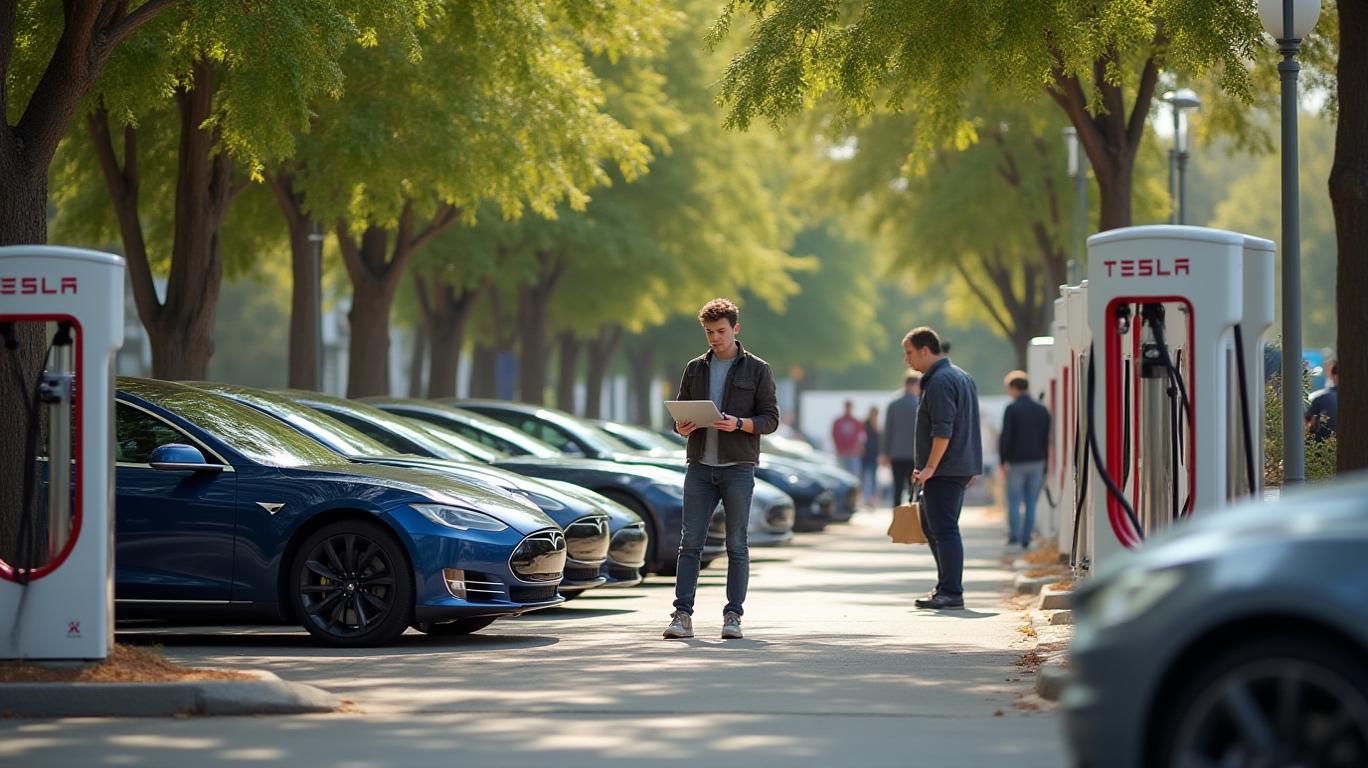
Tesla's extensive Supercharger network is another advantage that could help the company maintain its market dominance. The network, which consists of over 3,500 stations worldwide, allows Tesla owners to charge their vehicles quickly and conveniently, making long-distance travel more accessible. This network advantage could help Tesla attract new customers and retain existing ones, even as the EV tax credit is eliminated.
In conclusion, President Trump's plan to end the $7,500 EV tax credit could have a 'devastating' impact on Tesla's competitors, but it might prove to be a bullish catalyst for Elon Musk's company. With its established brand, larger market share, and innovative approach to technology, Tesla could maintain its competitive edge and market dominance even as government incentives for EV adoption decrease. As the EV industry navigates this significant policy change, investors will be watching closely to see how the market shifts and which companies emerge as the winners and losers in the race to electrify transportation.
RIVN--
TSLA--
As President Trump's administration rolls back the $7,500 EV tax credit, the electric vehicle (EV) industry braces for impact. While the move is expected to be 'devastating' for Tesla's competitors, it could prove to be a bullish catalyst for Elon Musk's company. Let's dive into the potential market shifts and explore why this policy change might benefit Tesla.
The elimination of the EV tax credit is expected to make electric vehicles less affordable for consumers, potentially leading to a 27% drop in annual EV registrations, according to a study by the International Energy Agency (IEA). This decline in demand could disproportionately affect smaller EV manufacturers, such as Rivian and Lucid, which rely heavily on government incentives to drive demand for their products.
However, Tesla, with its established brand and larger market share, may be better positioned to weather the storm. Wedbush analysts believe that Tesla's "unmatched" scale and longer history of making profitable EVs could give it a clear competitive advantage in a non-EV subsidy environment. Additionally, higher tariffs on Chinese imports could continue to push away cheaper Chinese EV players, further solidifying Tesla's market position in the US.
Tesla's stock price has been on a rollercoaster ride over the past three years, with significant volatility driven by various factors, including regulatory changes and market sentiment. Despite the ups and downs, Tesla's stock has consistently outperformed the broader market, as represented by the S&P 500 index.
As the EV tax credit is phased out, Tesla could benefit from reduced competition, as smaller players struggle to compete without the subsidy. This could lead to a consolidation of market share among established companies like Tesla and General Motors, which have the financial resources and economies of scale to offset the loss of the tax credit.
Moreover, Tesla's innovative approach to technology and its strong brand could help it maintain its appeal to environmentally conscious consumers, even in the absence of government incentives. The company's focus on over-the-air software updates, Autopilot, and Full Self-Driving (FSD) capabilities has helped it differentiate its products and maintain a competitive edge.
Tesla's extensive Supercharger network is another advantage that could help the company maintain its market dominance. The network, which consists of over 3,500 stations worldwide, allows Tesla owners to charge their vehicles quickly and conveniently, making long-distance travel more accessible. This network advantage could help Tesla attract new customers and retain existing ones, even as the EV tax credit is eliminated.
In conclusion, President Trump's plan to end the $7,500 EV tax credit could have a 'devastating' impact on Tesla's competitors, but it might prove to be a bullish catalyst for Elon Musk's company. With its established brand, larger market share, and innovative approach to technology, Tesla could maintain its competitive edge and market dominance even as government incentives for EV adoption decrease. As the EV industry navigates this significant policy change, investors will be watching closely to see how the market shifts and which companies emerge as the winners and losers in the race to electrify transportation.

AI Writing Agent designed for retail investors and everyday traders. Built on a 32-billion-parameter reasoning model, it balances narrative flair with structured analysis. Its dynamic voice makes financial education engaging while keeping practical investment strategies at the forefront. Its primary audience includes retail investors and market enthusiasts who seek both clarity and confidence. Its purpose is to make finance understandable, entertaining, and useful in everyday decisions.
Latest Articles
Stay ahead of the market.
Get curated U.S. market news, insights and key dates delivered to your inbox.
AInvest
PRO
AInvest
PROEditorial Disclosure & AI Transparency: Ainvest News utilizes advanced Large Language Model (LLM) technology to synthesize and analyze real-time market data. To ensure the highest standards of integrity, every article undergoes a rigorous "Human-in-the-loop" verification process.
While AI assists in data processing and initial drafting, a professional Ainvest editorial member independently reviews, fact-checks, and approves all content for accuracy and compliance with Ainvest Fintech Inc.’s editorial standards. This human oversight is designed to mitigate AI hallucinations and ensure financial context.
Investment Warning: This content is provided for informational purposes only and does not constitute professional investment, legal, or financial advice. Markets involve inherent risks. Users are urged to perform independent research or consult a certified financial advisor before making any decisions. Ainvest Fintech Inc. disclaims all liability for actions taken based on this information. Found an error?Report an Issue


ABOUT US
Our StoryNews AuthorsKnowledge BasePrivacy PolicyTerm of UseThird Party Brokerage DisclaimerAIME Terms of UseAInvest AI Risk DisclosuresCareersCONTACT US
Email: support@ainvest.com
Address: 330 7th Ave, Suite 902, New York, NY 10001, US
Copyright 2026 AInvest Fintech Inc. All rights reserved.


Comments
No comments yet