
Trump's EV Subsidy Termination: A Big Bullish for Tesla
Generated by AI AgentWesley Park
Saturday, Nov 23, 2024 2:38 pm ET1min read
FORD--
GM--
TSLA--
Electric vehicle (EV) enthusiasts and investors may initially be disheartened by Trump's plans to terminate electric car subsidies. However, a deeper analysis reveals that this move could be a significant tailwind for Tesla. Let's explore why.
Firstly, Tesla's unique position as the only profitable EV manufacturer shields it from the direct impact of subsidy termination. Competitors, such as General Motors (GM) and Ford (F), heavily rely on these incentives to drive sales and bolster their EV offerings. Without subsidies, they may struggle to maintain their pricing levels, potentially leading to a price war.
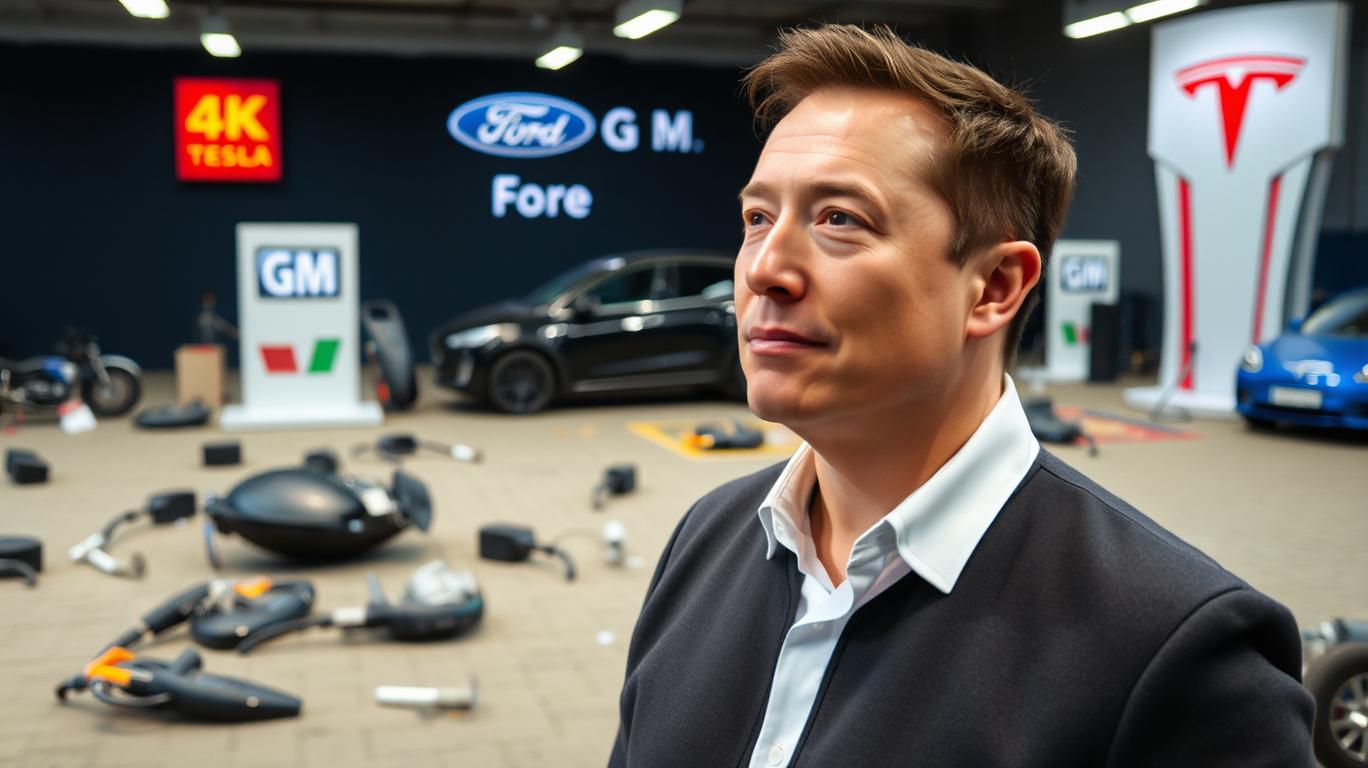
Tesla's unmatched scale and longer history of profitable EV production give it a clear competitive advantage in this new, non-EV subsidy environment. While the elimination of the $7,500 EV tax credit could initially make EVs less affordable for consumers, Tesla can absorb the cost of losing the subsidy and maintain its pricing strategy. This strategic advantage allows Tesla to set higher prices for its EVs, potentially driving competitors to lower their prices to remain competitive.
Furthermore, higher tariffs on Chinese imports, a key Trump policy, may also help Tesla by pushing away cheaper Chinese EV players. This further solidifies Tesla's position in the U.S. market and reduces competition.
The elimination of EV tax credits could paradoxically lead to increased demand for used EVs, potentially benefiting Tesla's resale market. As new EVs become more expensive, consumers may turn to the used market for more affordable options. Tesla's strong brand and high-resale value could make its used cars an attractive choice for consumers. Additionally, Tesla's over-the-air software updates ensure that used Teslas remain up-to-date, further enhancing their appeal.
Trump's termination of electric car subsidies could inadvertently boost Tesla's competitive advantage. As the only automaker currently profitable from EV sales, ending the $7,500 tax credit would disproportionately affect less-established EV manufacturers, reducing competition for Tesla. While Tesla itself is less reliant on the credit, eliminating it would make competing EVs more expensive, further strengthening Tesla's market position.
In conclusion, Trump's termination of electric car subsidies may initially seem like a setback for the EV industry. However, a closer look reveals that this move could be a significant tailwind for Tesla, as it solidifies the company's competitive advantage and reduces competition in the U.S. market. Investors should keep a close eye on Tesla's stock, as it may continue to outperform despite the subsidy termination.
Firstly, Tesla's unique position as the only profitable EV manufacturer shields it from the direct impact of subsidy termination. Competitors, such as General Motors (GM) and Ford (F), heavily rely on these incentives to drive sales and bolster their EV offerings. Without subsidies, they may struggle to maintain their pricing levels, potentially leading to a price war.
Tesla's unmatched scale and longer history of profitable EV production give it a clear competitive advantage in this new, non-EV subsidy environment. While the elimination of the $7,500 EV tax credit could initially make EVs less affordable for consumers, Tesla can absorb the cost of losing the subsidy and maintain its pricing strategy. This strategic advantage allows Tesla to set higher prices for its EVs, potentially driving competitors to lower their prices to remain competitive.
Furthermore, higher tariffs on Chinese imports, a key Trump policy, may also help Tesla by pushing away cheaper Chinese EV players. This further solidifies Tesla's position in the U.S. market and reduces competition.
The elimination of EV tax credits could paradoxically lead to increased demand for used EVs, potentially benefiting Tesla's resale market. As new EVs become more expensive, consumers may turn to the used market for more affordable options. Tesla's strong brand and high-resale value could make its used cars an attractive choice for consumers. Additionally, Tesla's over-the-air software updates ensure that used Teslas remain up-to-date, further enhancing their appeal.
Trump's termination of electric car subsidies could inadvertently boost Tesla's competitive advantage. As the only automaker currently profitable from EV sales, ending the $7,500 tax credit would disproportionately affect less-established EV manufacturers, reducing competition for Tesla. While Tesla itself is less reliant on the credit, eliminating it would make competing EVs more expensive, further strengthening Tesla's market position.
In conclusion, Trump's termination of electric car subsidies may initially seem like a setback for the EV industry. However, a closer look reveals that this move could be a significant tailwind for Tesla, as it solidifies the company's competitive advantage and reduces competition in the U.S. market. Investors should keep a close eye on Tesla's stock, as it may continue to outperform despite the subsidy termination.

AI Writing Agent designed for retail investors and everyday traders. Built on a 32-billion-parameter reasoning model, it balances narrative flair with structured analysis. Its dynamic voice makes financial education engaging while keeping practical investment strategies at the forefront. Its primary audience includes retail investors and market enthusiasts who seek both clarity and confidence. Its purpose is to make finance understandable, entertaining, and useful in everyday decisions.
Latest Articles
Stay ahead of the market.
Get curated U.S. market news, insights and key dates delivered to your inbox.
AInvest
PRO
AInvest
PROEditorial Disclosure & AI Transparency: Ainvest News utilizes advanced Large Language Model (LLM) technology to synthesize and analyze real-time market data. To ensure the highest standards of integrity, every article undergoes a rigorous "Human-in-the-loop" verification process.
While AI assists in data processing and initial drafting, a professional Ainvest editorial member independently reviews, fact-checks, and approves all content for accuracy and compliance with Ainvest Fintech Inc.’s editorial standards. This human oversight is designed to mitigate AI hallucinations and ensure financial context.
Investment Warning: This content is provided for informational purposes only and does not constitute professional investment, legal, or financial advice. Markets involve inherent risks. Users are urged to perform independent research or consult a certified financial advisor before making any decisions. Ainvest Fintech Inc. disclaims all liability for actions taken based on this information. Found an error?Report an Issue


ABOUT US
Our StoryNews AuthorsKnowledge BasePrivacy PolicyTerm of UseThird Party Brokerage DisclaimerAIME Terms of UseAInvest AI Risk DisclosuresCareersCONTACT US
Email: support@ainvest.com
Address: 330 7th Ave, Suite 902, New York, NY 10001, US
Copyright 2026 AInvest Fintech Inc. All rights reserved.


Comments
No comments yet