
Trump Reverses Tariffs to Tame Inflation, Sparking Political and Industry Pushback


 Aime Summary
Donald Trump has reversed a cornerstone of his trade policy, slashing tariffs on beef, coffee, bananas, and other food imports in a bid to curb surging grocery prices and ease public frustration over living costs. The executive order, effective retroactively from November 13, removes levies on over 100 food products, including staples like beef, coffee, and tropical fruits, marking a stark departure from his earlier "reciprocal tariffs" strategy. The move follows mounting political pressure after Democrats secured key victories in November elections, where affordability emerged as a central voter concern according to recent polling.
The decision reflects a pragmatic recalibration of Trump's trade agenda. Initially, the administration defended tariffs as tools to "supercharge U.S. investment and production," but economists and industry leaders have long warned that duties on food imports-such as 50% on Brazilian coffee and 10% base tariffs on global imports-had inflated consumer prices. Beef prices, for instance, surged 12.9% year-over-year in September, driven by tariffs on imports and domestic production challenges according to CBS News. 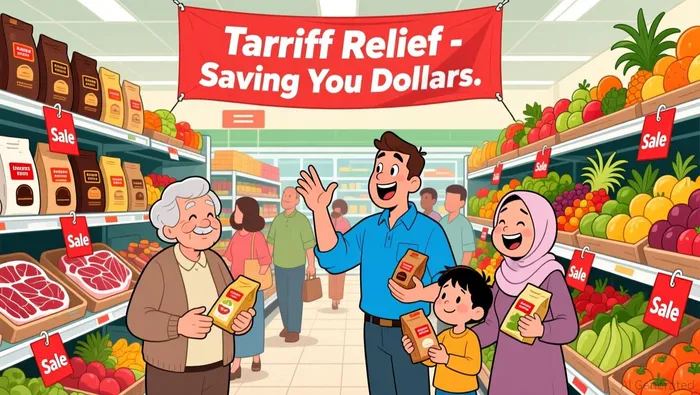 "Tariffs are artificially keeping prices high here," said Karim Azzaoui, a food industry executive, noting that olive oil and other imported goods have become unaffordable for lower-income shoppers according to the New York Times.
The White House attributed the reversal to "substantial progress" in trade negotiations with Argentina, Ecuador, Guatemala, and El Salvador, which granted U.S. companies expanded market access in exchange for tariff cuts according to BBC News. However, internal disputes within the administration and Republican Party underscored the complexity of the shift. While Trump framed the move as a victory for consumers, cattle ranchers criticized the policy for contradicting his "America First" rhetoric. Some ranchers argued that increased beef imports would depress domestic prices, despite Trump's insistence that tariffs had initially boosted their profits according to CBS News.
International reactions were mixed. Australia, a major beef exporter, welcomed the removal of 10% tariffs on its agricultural products, with trade officials calling the levies "an act of economic self-harm" according to the Guardian. Meanwhile, U.S. trade partners like Brazil and Uruguay-hit by some of the highest duties-may see a temporary reprieve as global demand for their goods rebounds according to CNBC.
Economists remain divided on the long-term impact. While the Tax Foundation estimated that 74% of U.S. food imports faced tariffs before the cuts according to CNBC, many businesses had previously absorbed costs rather than passing them to consumers. Now, with inflation ticking upward and supply chains adjusting, analysts predict prices for tariff-affected goods could rise further. "Lowering tariffs lowers prices-so what does raising them do?" tweeted Erica York of the Tax Foundation, highlighting the administration's contradictory stance according to the New York Times.
The move also reignited debates over Trump's broader tariff strategy. While the president pledged to use tariff revenue for $2,000 rebate checks according to the Business Standard, critics argue the policy has exacerbated inflation without delivering promised economic gains. House Democrats' Richard Neal accused the administration of "putting out a fire they started," noting that manufacturing contraction and rising prices have undermined Trump's claims according to CBC News.
As the administration navigates these challenges, the food tariff rollback signals a broader acknowledgment that trade policies can both raise and lower costs-a reality economists have long emphasized according to the New York Times. With the 2026 midterms looming, the White House's ability to balance domestic producer interests with consumer demands will test the durability of this policy shift.

Stay ahead of the market.
Get curated U.S. market news, insights and key dates delivered to your inbox.


AInvest
PRO
AInvest
PRO



Comments
No comments yet