
Trump Restructures Steel, Aluminum, and Copper Tariffs to Support Domestic Industry
 Aime Summary
President Trump restructured Section 232 tariffs on steel, aluminum, and copper with a tiered system to support domestic industrial production. - The new tariff rates range from 10% to 50%, depending on product composition and origin, with implementation beginning April 6, 2026. - The changes aim to reduce uncertainty for importers while maintaining high protective rates on core metal imports.
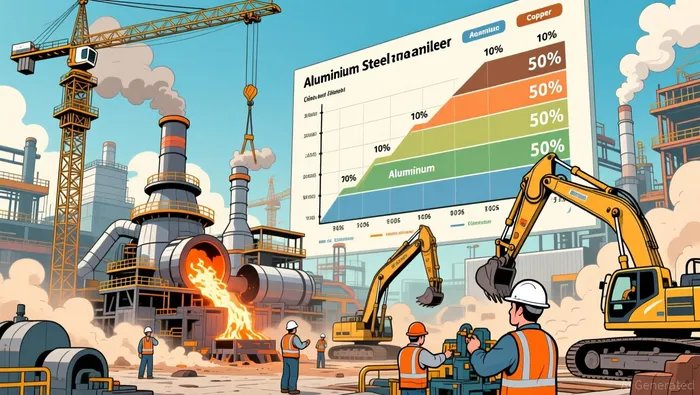
The U.S. introduced a new tariff framework to protect its metal production, with 50% on primary products, 25% on derivatives, and 15% on industrial equipment through 2027. This restructuring is intended to boost domestic metal production and industrial expansion, with projects like new steelmaking capacity and aluminum smelters already underway. The Trump administration also introduced a 15% metal content threshold for certain products to determine tariff applicability.
Mexico responded to the U.S. tariff changes by imposing provisional countervailing duties on hot-rolled steel imports from China and Vietnam, with rates varying by producer. In parallel, Mexico announced permanent extensions of tariffs on steel imports from countries without free trade agreements, covering 220 steel products. Mexico also plans to phase out temporary import permits for steel products to encourage domestic sourcing and prevent transshipment.
What Impact Do These Tariffs Have on Manufacturing Sectors?
Packaging and beverage industries have been significantly affected by high tariffs on steel and aluminum, increasing the cost of producing cans for food and drinks. Companies such as Campbell's and Kraft Heinz are absorbing increased costs due to tariffs, leading to plant closures and job losses. Craft brewers and soft drink companies also face higher costs from tariffs on aluminum, which is a major input for beverage cans.
How Are Other Industries Responding to Tariff Adjustments?
The motorcycle industry received partial relief, as some finished units were removed from the derivative-product list. However, the revised tariff framework still includes 25% tariffs on certain derivative products, impacting aftermarket parts and four-wheel vehicles. Industry advocacy groups continue to push for further adjustments to support domestic producers and reduce pricing pressures.
What Uncertainties Remain for Importers and Manufacturers?
The new framework allows the U.S. Department of Commerce and the Office of the U.S. Trade Representative to add new derivative products to the tariff list. This rolling inclusion process introduces uncertainty for importers, particularly in sectors like can manufacturing and the beverage industry. Trade groups are urging immediate, targeted tariff relief for U.S. can manufacturers to mitigate the ongoing challenges from high input costs.
The Trump administration's tariff adjustments aim to support domestic metal production and industrial expansion while reducing trade uncertainties. However, ongoing challenges remain in sectors heavily reliant on imported materials, including food and beverage packaging. Mexico's parallel measures suggest a broader regional trend toward protectionism in the steel and metal sectors according to reports.

Stay ahead of the market.
Get curated U.S. market news, insights and key dates delivered to your inbox.


AInvest
PRO
AInvest
PRO



Comments
No comments yet