
Trump Repeals IRS DeFi Reporting Rule, Ukraine Proposes 23% Crypto Tax
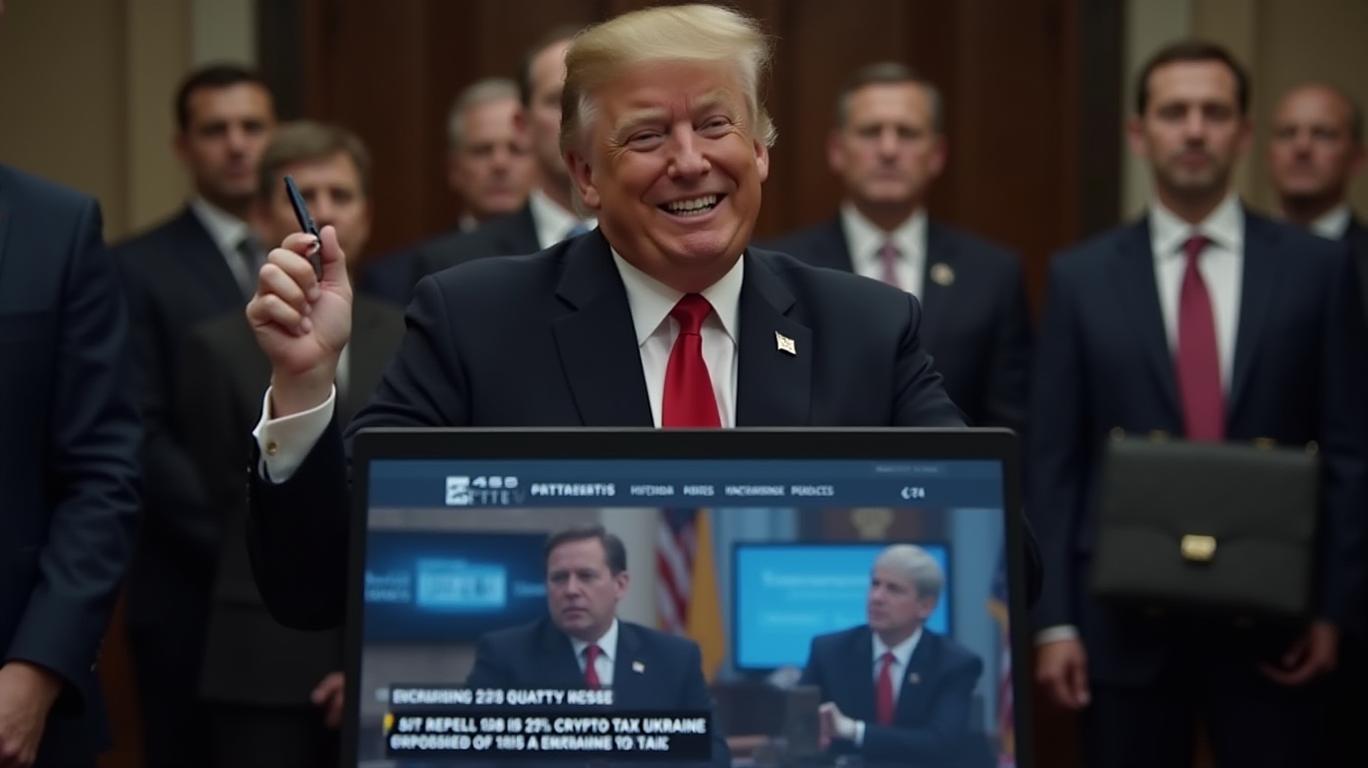
In a significant move, Donald Trump signed a resolution to repeal an IRS rule that would have required decentralized finance (DeFi) platforms to report user transactions. This rule, finalized in late 2024 and set to take effect in 2026, aimed to improve tax compliance by classifying certain DeFi operators as "brokers." However, the rule faced backlash from industry leaders who argued it was overly broad and impractical, potentially stifling innovation in the DeFi space. Trump's decision to repeal the rule not only delivers a major win to the crypto lobby but also underscores his increasingly pro-crypto stance, which may become a central plank of his financial policy.
Meanwhile, Ukraine has proposed new taxes on digital assets to support its war effort. The National Securities and Stock Market Commission (NSSMC) unveiled a proposal that would subject gains on virtual assets to an 18% personal income tax, with an additional 5% military levy, bringing the effective tax burden to 23%. This proposal is part of Ukraine’s broader effort to modernize its financial system and align with international standards, particularly as the country seeks closer integration with Western institutionsWU--. The military levy highlights the government’s need for new revenue streams amid the ongoing conflict with Russia.
In the private sector, BlockXYZ-- Inc., the parent company of Cash App, agreed to a $40 million settlement with the New York Department of Financial Services (NYDFS) following an investigation into anti-money laundering (AML) lapses tied to its crypto services. The consent order revealed that Block failed to perform adequate customer due diligence, overlooked suspicious activity, and lacked robust transaction screening processes, especially around high-risk Bitcoin activity. This settlement serves as a wake-up call for fintech firms straddling traditional finance and crypto, indicating that regulatory agencies are increasingly unwilling to tolerate lax compliance, especially when crypto is involved.
In another significant regulatory shift, Paul Atkins has been confirmed as the new chair of the U.S. Securities and Exchange Commission (SEC). Atkins, a long-time critic of regulatory overreach, is expected to take a markedly different approach from his predecessor, Gary Gensler. His appointment adds yet another layer to an already dense week in crypto regulation news, suggesting a more crypto-friendly U.S. stance may be on the horizon.
This week’s developments reflect the growing divide between enforcement-heavy and market-friendly approaches across jurisdictions. While the U.S. moves to loosen its grip on crypto rules, Ukraine is tightening the screws to fund its war effort. The regulatory landscape remains complex and uncertain, but the stakes are only getting higher. For crypto entrepreneurs, investors, and policymakers, the next few months will be essential in shaping what comes next.

Stay ahead of the market.
Get curated U.S. market news, insights and key dates delivered to your inbox.


AInvest
PRO
AInvest
PRO



Comments
No comments yet