
Trump-Putin Summit Fails to Secure Ceasefire as U.S. Pauses Oil Sanctions on Russia
 Aime Summary
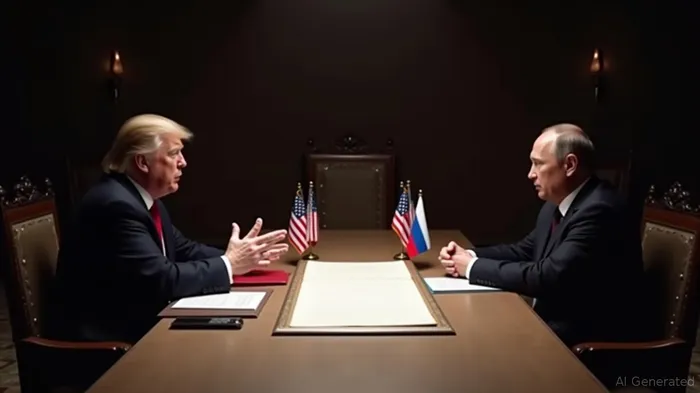
Trump’s meeting with Russian President Vladimir Putin in Alaska on August 15 concluded without a ceasefire agreement, despite earlier warnings from the former U.S. president that Moscow would face “very severe consequences” if no progress was made. In the aftermath of the summit, Trump said he would hold off on imposing new sanctions but did not rule out the possibility of doing so in the future. This shift has raised questions about the direction of U.S.-Russia diplomacy and the potential consequences for Russia’s already strained war economy [1].
While Trump had previously emphasized the leverage the U.S. holds over Russia’s oil and gas861002-- exports — a critical source of government revenue — he has softened his rhetoric in recent days. One of the most significant tools at Washington’s disposal is the ability to sanction tankers carrying Russian oil under the radar. According to Robin Brooks, a former chief economist at the Institute of International Finance, cutting off the “shadow fleet” of tankers would cripple the Russian war machine and trigger a “deep financial crisis” [2]. The Biden administration had already sanctioned nearly 200 such ships in January, causing a sharp decline in their activity. Another 359 tankers are already sanctioned by the EU or UK but remain operational due to the lack of U.S. action [3].
Analysts have pointed out that Russia’s financial position is deteriorating. Oil and gas revenue dropped 27% in July compared to a year ago, and the National Wealth Fund — a key reserve fund — has dwindled from $135 billion in January 2022 to just $35 billion by May 2025, with projections indicating it may be depleted later this year [4]. Economists like Anders Åslund warn that this fiscal crunch is becoming a major constraint on Russia’s ability to sustain its war effort in Ukraine, even if it doesn’t force Putin to seek peace [5].
Despite the lack of immediate action, Trump has not abandoned his broader strategy. In a statement to Fox News, he indicated that the decision to pause sanctions was temporary and that he may reconsider the move in the coming weeks as diplomatic efforts continue. This suggests that Trump is keeping the threat on the table while allowing time for further negotiations [6].
Some experts, however, have expressed skepticism about the effectiveness of this approach. Melinda Haring, a senior fellow at the Atlantic Council, has warned that Trump must remain cautious about the “pseudo-historical lectures” from Putin and recognize the U.S.’s strategic advantage in the relationship. “Trump can squeeze the Russians; he seems to forget that the United States holds the cards, not Moscow,” she wrote in a blog post [7].
The summit has been viewed by some as a missed opportunity to impose meaningful consequences for Russia’s ongoing war in Ukraine. Representative Eric Swalwell criticized the meeting as a failure, using the phrase “the art of no deal” to highlight the lack of tangible outcomes. Others have suggested that Trump’s decision to withhold sanctions may be an attempt to maintain diplomatic channels with Moscow, even if it risks appearing soft on Russia’s actions [8].
While the Trump-Putin meeting did not produce a peace agreement, it has left open the question of whether Washington will follow through on its earlier threats. With Russia’s war economy increasingly under pressure and the U.S. holding significant leverage, the possibility of a financial crisis in Russia remains a real concern. Whether Trump will choose to act remains to be seen, but for now, the threat of “very severe consequences” appears to be on hold [9].
[1] Trump said he would hold off on any new penalties, suggesting the threat remains on the table as diplomacy plays out. Source: [1]title1 (https://fortune.com/2025/08/16/trump-putin-summit-russia-oil-sanctions-financial-crisis-severe-consequences-ukraine-war-ceasefire/)
[2] Cutting off the “shadow fleet” of tankers would cripple the Russian war machine, according to Robin Brooks. Source: [2]title2 (https://www.nytimes.com/live/2025/08/16/world/trump-putin-meeting-alaska)
[3] Another 359 tankers are already sanctioned by the EU or UK but not yet by the U.S. Source: [3]title3 (https://www.pbs.org/newshour/show/putin-stuck-to-his-guns-former-state-department-official-analyzes-trump-putin-summit)
[4] Oil and gas revenue dropped 27% in July, and the National Wealth Fund has dwindled significantly. Source: [4]title4 (https://ca.news.yahoo.com/swalwell-hits-trump-no-progress-141604126.html)
[5] Economists like Anders Åslund warn of a major fiscal crunch for Russia. Source: [5]title5 (https://responsiblestatecraft.org/alaska-summit-putin-trump/)

Stay ahead of the market.
Get curated U.S. market news, insights and key dates delivered to your inbox.


AInvest
PRO
AInvest
PRO



Comments
No comments yet