
Trump Pushes July 4 Deadline for Tax and Spending Bill Amid Economic Uncertainty
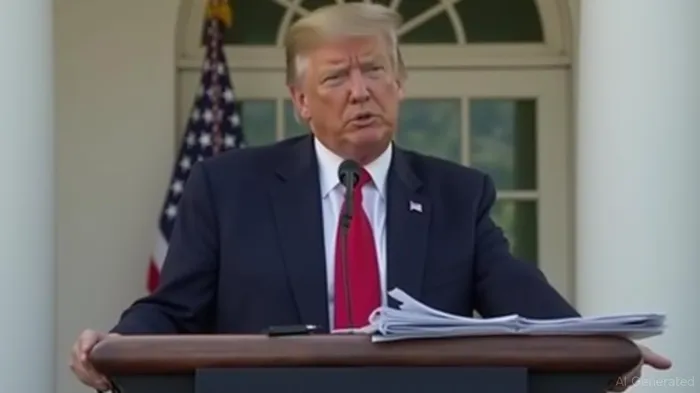
Donald Trump has recently brought attention to a critical tax and spending bill, emphasizing a July 4 deadline. This deadline, while symbolic and aimed at creating a sense of urgency, is not rigid. The bill, encompassing a wide range of proposals from tax adjustments to new government spending initiatives, is designed to stimulate economic growth and reduce tax burdens. The flexibility in the timeline, however, introduces uncertainty into markets, as investors prefer clear timelines and predictable policy.
The push for this bill comes amidst mounting legislative pressure from various fronts, including political parties, special interest groups, and the general public. Republicans and Democrats have differing priorities, with Republicans focusing on tax cuts to boost business investment and job creation, and Democrats aiming for fairness in the tax code and directing spending towards social programs or infrastructure. The current economic climate, marked by inflation concerns and potential recessionary fears, amplifies this pressure. Lawmakers must balance these diverse demands while navigating the complex political landscape of Capitol Hill.
The potential economic impact of this bill is substantial. Tax cuts could lead to increased business investment, hiring, and higher wages, while significant spending programs could inject capital into specific industries, creating jobs and driving innovation. However, large tax cuts without corresponding spending reductions could swell the national debt, potentially leading to higher interest rates. Increased government spending, if not managed carefully, could exacerbate inflationary pressures. The cryptocurrency market, in particular, often reacts to broader macroeconomic indicators and government fiscal policy. Policies that increase national debt or inflation might lead investors to seek alternative assets like Bitcoin, which some view as a hedge against traditional financial instability.
Key areas of potential impact include the corporate sector, small businesses, individual consumers, inflation, and the investment landscape. Lower corporate taxes could incentivize companies to repatriate profits, invest domestically, and expand operations, potentially boosting stock market performance. Simplified tax codes or specific deductions could provide much-needed relief for small businesses and encourage entrepreneurship. Changes to income tax brackets, deductions, or credits directly affect household budgets and purchasing power. The overall fiscal stimulus or contraction could influence inflation rates, impacting the cost of living and the value of currency. Shifts in tax policy can alter the attractiveness of different asset classes, including real estate, stocks, bonds, and even digital assets.
The discussions surrounding this bill are a preview of future fiscal policy directions. The approach taken with this bill could signal a commitment to supply-side economics or a more demand-side approach. Understanding the proposed changes is crucial for businesses and investors. The ongoing debate highlights the delicate balance policymakers must strike between stimulating growth, managing debt, and ensuring economic equity.
Passing a comprehensive tax and spending bill is rarely straightforward. Challenges such as political gridlock, shifting economic data, public reception, and unforeseen events could delay or alter its passage. The flexibility mentioned by Trump suggests a pragmatic approach to legislation, prioritizing eventual passage over strict adherence to an initial timeline. For market participants, this means continued vigilance and adaptability will be key.
Donald Trump’s emphasis on the July 4 deadline for a tax and spending bill underscores the urgency and complexity of the economic policy landscape. The mounting legislative pressure reflects diverse interests and the critical need to address current economic challenges. The potential economic impact of such a bill could reshape industries, influence consumer behavior, and set the tone for future fiscal policy. As discussions evolve, stakeholders across all financial sectors will be watching closely to understand how these proposed changes might ripple through the global economy.

Stay ahead of the market.
Get curated U.S. market news, insights and key dates delivered to your inbox.


AInvest
PRO
AInvest
PRO



Comments
No comments yet