
Trump Pushes Iran-Israel Talks Amid Economic Concerns
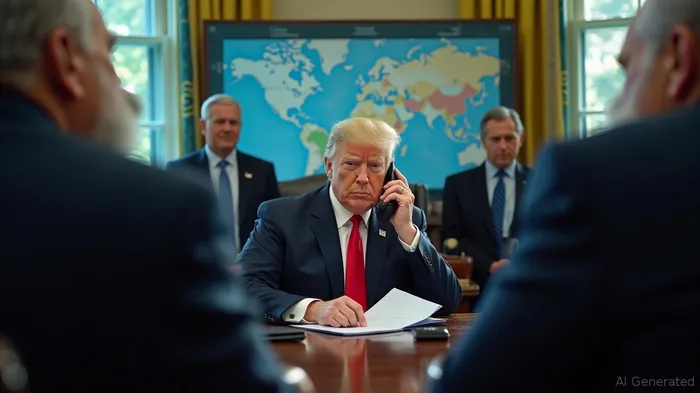
Donald Trump has asserted that he is actively working to facilitate negotiations between Iran and Israel, aiming to prevent further escalation of tensions between the two nations. In a post on Truth Social, Trump expressed his belief that both countries are ready to engage in dialogue and reach a deal, leveraging American trade as a means to encourage this process. He drew parallels to his alleged role in de-escalating tensions between India and Pakistan, claiming that trade with the United States brought reason and cohesion to the situation.
Trump's efforts come amidst reports that he has blocked an Israeli plan to assassinate Iran's Supreme Leader, Ayatollah Ali Khamenei. According to senior US officials, Trump rejected the idea on the grounds that no Americans had been killed by Iran. This decision, coupled with Trump's push for peace, suggests a preference for diplomatic resolution over military conflict.
Trump claimed that talks between Iran and Israel are already underway, although he did not provide details on the participants or the content of the discussions. He cited his past interventions in conflicts, such as those in Serbia and Kosovo, and the Nile River dispute between Egypt and Ethiopia, as evidence of his ability to broker peace. Trump promised to apply a similar approach to the Middle East, aiming to "MAKE THE MIDDLE EAST GREAT AGAIN!"
However, Trump's claims are at odds with statements made by Israeli Prime Minister Benjamin Netanyahu. Netanyahu indicated that Israel's campaign against Iran would intensify, contradicting Trump's assertion that talks are ongoing. Despite this discrepancy, Trump maintained in an interview that a deal is imminent, stating that the conflict has accelerated the negotiation process.
The potential for escalation between Iran and Israel has significant implications for the global economy. The conflict could disrupt oil supplies, particularly through the Strait of Hormuz, a critical waterway for global oil exports. Analysts warn that any closure of the strait could have severe consequences for global supply chains, which rely on just-in-time deliveries. The uncertainty surrounding the conflict has already led to increased volatility in oil prices and concerns about inflation and interest rates.
In Israel, the inflation rate dropped more than expected in May, landing at 3.1%, below the 3.4% predicted by analysts. However, officials caution that the ongoing conflict could reverse any progress made in controlling inflation. The central bank attributes the high inflation rate to supply issues related to the conflict and strong local demand.

Stay ahead of the market.
Get curated U.S. market news, insights and key dates delivered to your inbox.






Comments
No comments yet