
Trump Pushes House to Pass Bill With 21% Corporate Tax Rate
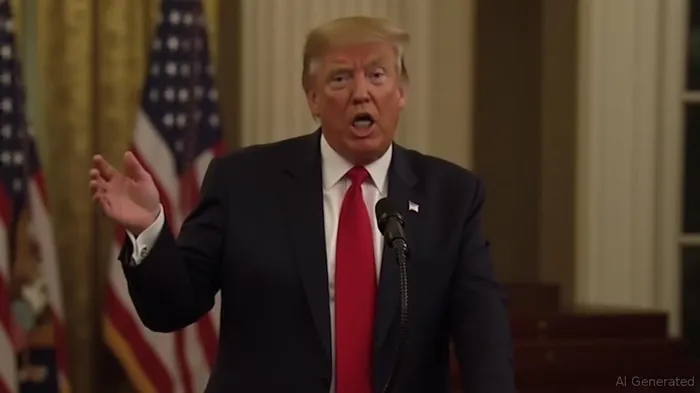
President Donald Trump has called on the House of Representatives to swiftly pass the "One Big Beautiful Act," a comprehensive legislative package that has already been approved by the Senate. This act, which focuses on tax and spending reforms, aims to modernize air traffic control systems and preserve tax exemptions for credit unions, among other provisions. The bill sets a corporate tax rate of 21%, which is intended to maintain the competitive edge of U.S. businesses. Additionally, it allocates $12.5 billion to aviation systems, underscoring the administration's ambition to keep the U.S. at the forefront of aviation technology.
Trump's advocacy for the bill comes as the House prepares for a vote, with industry stakeholders expressing optimism about the potential benefits. Key figures, including Commerce Committee Chairman Ted Cruz, have been instrumental in driving the bill forward. The focus on air traffic modernization and credit union tax exemptions reflects a broader intent to maintain economic stability while advancing infrastructure. The bill's passage in the Senate, with a narrow 51-50 vote, indicates the contentious nature of the legislation, which includes provisions for increased border security and immigration enforcement.
The bill has faced criticism from both Republicans and Democrats, particularly regarding its impact on Medicaid and the Affordable Care Act (ACA). Senator Thom Tillis of North Carolina voted against the bill, citing concerns over Medicaid cuts that could result in tens of billions of dollars in lost funding for his state. In response, Trump threatened to back potential primary challengers for Tillis in the next election. Tillis has since announced that he will not be running for reelection. Democrats and state officials have also expressed concerns about the bill's potential impact on families, with Michigan Governor Gretchen Whitmer warning that the bill could raise Michigan's uninsured tax rate, kicking more than 120,000 Michiganders off their ACA Marketplace plans. Nationwide, nearly 11 million Americans are expected to lose medical care due to increased costs from the bill.
Despite the controversy, the Senate's passage of the bill has sparked optimism in the market, with stakeholders like Jim Nussle expressing gratitude for the bill's provisions. The focus remains on swift House passage to cement these anticipated benefits. The bill's impact on digital assets, such as cryptocurrencies, is also a point of interest. Previous large-scale U.S. tax reforms have led to broad-based equity rallies, hinting at potential spillover effects into digital assets as investor confidence grows. BitcoinBTC-- (BTC), for example, experienced a 3.10% rise over the past 24 hours, reflecting market anticipation of fiscal reforms. The cryptocurrency's trajectory over 60 days shows a 13.96% gain, indicating resilience.
The House of Representatives is expected to vote on the bill on Monday, which may impact Representative Smith's travel plans. The bill's passage in the House would mark a significant step in the administration's agenda, with potential implications for business sentiment and digital assetDAAQ-- trends. The focus on tax and spending reforms, as well as infrastructure modernization, reflects a broader intent to maintain economic stability while advancing key sectors. The bill's impact on digital assets, such as cryptocurrencies, is also a point of interest, with potential spillover effects into the digital currency landscape as investor confidence grows.

Stay ahead of the market.
Get curated U.S. market news, insights and key dates delivered to your inbox.


AInvest
PRO
AInvest
PRO



Comments
No comments yet