
Trump Pushes for Clear Stablecoin Rules to Boost Dollar's Crypto Dominance
President Donald Trump's recent address at the Digital Asset Summit has ignited discussions about the future of dollar-backed stablecoins and their potential to solidify the U.S. dollar's dominance in the cryptocurrency market. Trump's comments emphasized the need for clearer regulatory frameworks, suggesting a push to establish the U.S. dollar as a leading force in the crypto space.
Stablecoins, which offer real-time settlement and zero-cost transactions, pose a significant challenge to traditional banks and payment networks. This technological advancement could revolutionize global paymentsGPN--, paving the way for a stablecoin-native economy and reshaping financial systems worldwide.
During his pre-recorded speech, Trump hinted at the possibility of creating more dollar-backed stablecoins to maintain the U.S. dollar's position in the crypto market. He stressed the importance of regulatory clarity, stating, "I’ve called on Congress to create simple, common-sense rules for stablecoins and market structure. With the right legal framework, institutions large and small will be enabled to invest, innovateVATE--, and take part in one of the most exciting technological revolutions in modern history."
Trump urged Congress to establish clear, simple rules for stablecoin regulation to support institutional engagement and investment. A defined legal framework would allow both large and small institutions to fully participate in the digital asset market. He further added, "With the dollar-backed stablecoins, you [the community] will help expand the dominance of the U.S. dollar for many, many years to come. It’ll be at the top, and that’s where we want to keep it."
The Senate committee has already passed the GENIUS Act with bipartisan support, which is now awaiting congressional approval. The potential for dollar-backed stablecoins could bring significant liquidity to the broader crypto ecosystem, marking a key step in bridging the gapGAP-- between traditional finance and the emerging crypto economy.
Stablecoins are evolving beyond their initial role as digital cash substitutes. They are now becoming a core infrastructure for global payments, e-commerce, and treasury management. A new wave of stablecoins incorporates yield-bearing features, offering passive income to holders from blockchain-native sources such as U.S. Treasuries and decentralized finance (DeFi) lending. Additionally, revenue-sharing models are transforming stablecoins into monetization engines for financial applications. These innovations could enable stablecoins to rival traditional savings accounts and drive adoption in both enterprise and retail markets, potentially becoming a prominent alternative to fiat currencies in the near future.
While Trump's advocacy for clear stablecoin regulations aims to bolster the U.S. dollar’s dominance in the crypto space, several challenges persist. The global regulatory environment remains fragmented, with various countries proposing their digital asset laws, potentially leading to inconsistent international standards. Additionally, the U.S. faces competition from nations advancing their Central Bank Digital Currencies (CBDCs), which could challenge the dollar’s supremacy. Traditional financial institutions may resist the widespread adoption of stablecoins, viewing them as threats to existing payment systems.
Despite these hurdles, the push for regulatory clarity and innovation positions stablecoins to become integral components of the financial infrastructure. This could potentially transform global payment systems and financial services, solidifying the U.S. dollar's role in the evolving digital economy. 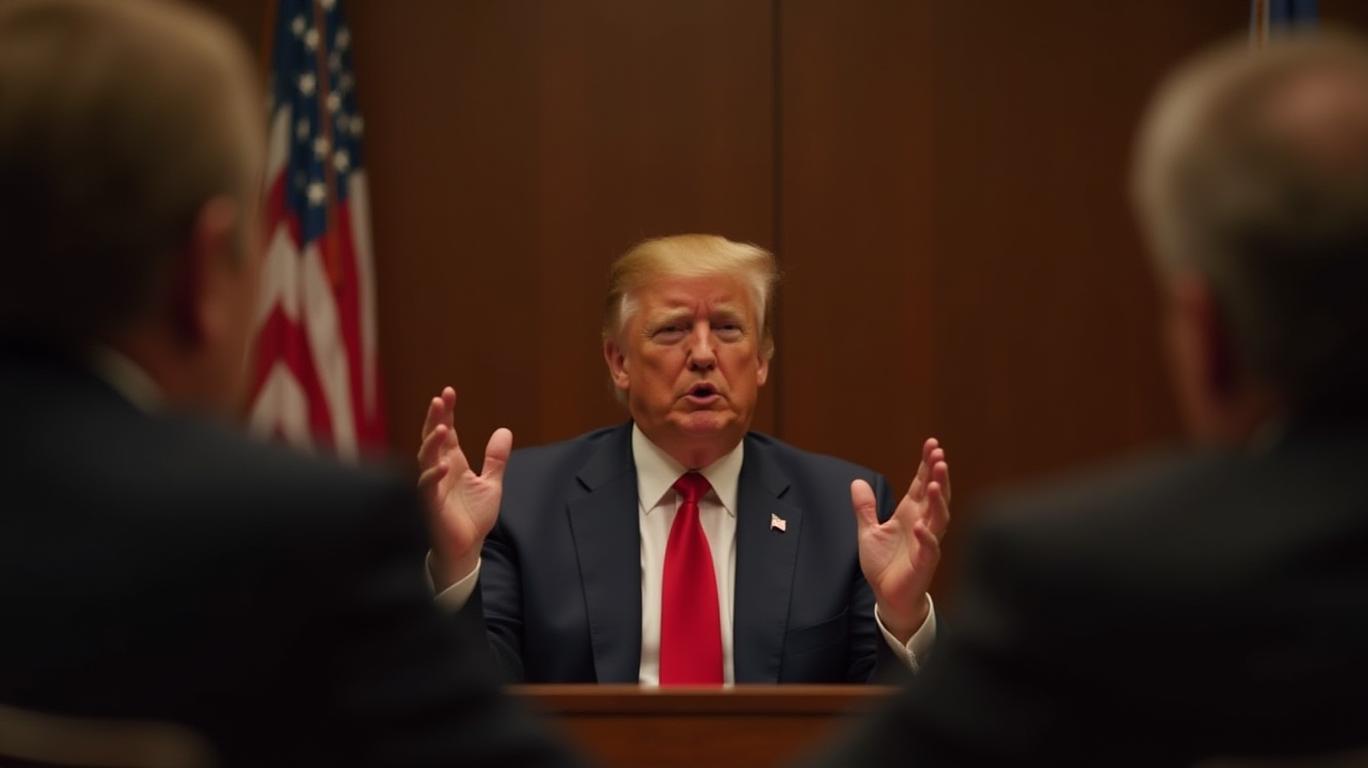

Stay ahead of the market.
Get curated U.S. market news, insights and key dates delivered to your inbox.






Comments
No comments yet