
Trump Proposes Ban on New Wind Farms by 2025
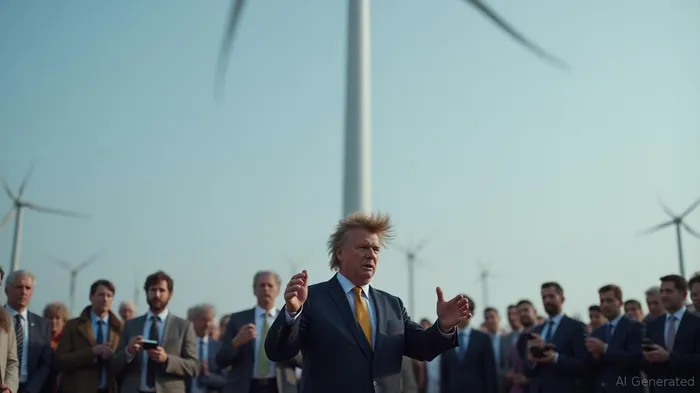
Donald Trump, in a recent Florida press conference, reiterated his stance against wind energy, advocating for a policy against building new wind farms in the U.S. by early 2025. This could influence renewable energy policies and investments, mainly impacting wind power development amidst robust growth and U.S. green energy initiatives.
Trump is known for his outspoken opposition to wind energy, proposing strict policies against building new wind turbines. He believes they litter the landscape and are economically unviable. “We're going to try and have a policy where no 'windmills' are being built… They litter our country… Nobody wants them,” Trump emphasized. His ongoing critique highlights his alignment with fossilFOSL-- fuel interests, frequently calling for increased oil drilling, reflecting a preference for traditional energy sources over renewables.
Despite Trump's comments, U.S. wind energy continues to thrive due to state policies and market demand. His rhetoric may not immediately deter investments in the industry, though it could influence future federal subsidy deliberations. Past similar stances from Trump delayed renewable projects, but wind power still grew at the state level. Robust private investment remains unabated.
During Trump's previous administration, anti-renewable policies slowed project progress temporarily but failed to halt industry momentum. Wind and solar sectors adapted, supported by local and economic factors ensuring growth continued. Experts suggest Trump's remarks might influence investor sentiment, yet have limited tangible impact on current operations. Historical trends propose state support and market dynamics will buffer such high-level political opposition from causing upheaval.
In a recent series of statements, Donald Trump has criticized wind energy, suggesting significant policy changes that could impact the industry. Trump described wind turbines as the "most expensive energy" source, asserting that they only function with "massive government subsidies." He further stated that his administration would no longer provide these subsidies, indicating a potential shift in energy policy.
Trump's remarks come as part of a broader critique of wind power, which he has previously described as inefficient and environmentally harmful. His administration has proposed a moratorium on wind energy projects, except in cases of emergency. This policy shift has sparked debate among industry stakeholders and environmental advocates, who argue that wind energy is a crucial component of a sustainable energy future.
The proposed changes have also raised concerns about the economic implications for the wind energy sector. Critics argue that a reduction in government subsidies could hinder the growth of the industry, potentially leading to job losses and decreased investment. However, Trump's administration maintains that the move is necessary to reduce government spending and promote more cost-effective energy solutions.
The environmental impact of wind energy has also been a point of contention. Trump's administration has highlighted the potential environmental harms of wind turbines, including their impact on wildlife and landscapes. This perspective contrasts with the views of many environmental groups, which advocate for wind energy as a clean and renewable source of power.
The proposed policy changes have also sparked reactions from various stakeholders. Some conservative senators have pushed for deeper spending cuts in Trump's 'big, beautiful bill' to address the nation's annual deficit, which could further impact the wind energy sector. Meanwhile, opponents of offshore wind projects have called for the rescission of a grant awarded by the previous administration to transform California's offshore wind infrastructure.
Trump's stance on wind energy is part of a broader energy policy that favors fossil fuels over renewable sources. His administration has proposed repealing carbon pollution limits on power plants, a move that could have significant environmental and economic consequences. The debate over wind energy highlights the complex interplay between economic, environmental, and political factors in shaping energy policy. As the industry continues to evolve, stakeholders will need to navigate these challenges to ensure a sustainable and cost-effective energy future.

Comprender rápidamente la historia y el antecedente de varias monedas reconocidas
Latest Articles
Stay ahead of the market.
Get curated U.S. market news, insights and key dates delivered to your inbox.


AInvest
PRO
AInvest
PRO



Comments
No comments yet