
Trump Proposes 10% Cap on Credit Card Interest Rates, Sparking Market Volatility and Industry Pushback
 Aime Summary
President Donald Trump has announced a proposal to cap credit card interest rates at 10% for one year, effective January 20, 2026. The move, announced via a Truth Social post, is part of Trump’s broader affordability initiative aimed at reducing consumer borrowing costs. The proposal has already triggered significant market reactions, with financial stocks like PayPalPYPL-- and credit card companies experiencing sharp declines.
The proposal would require legislative action to enforce a nationwide rate cap, as the National Bank Act allows credit card companies to charge interest at the maximum rates permitted by state laws. Previous attempts to cap interest rates have occurred through congressional action rather than executive orders. Analysts suggest Trump may initially attempt to pressure credit card companies to voluntarily lower rates, similar to his approach with pharmaceutical companies, though the effectiveness of this strategy remains uncertain.
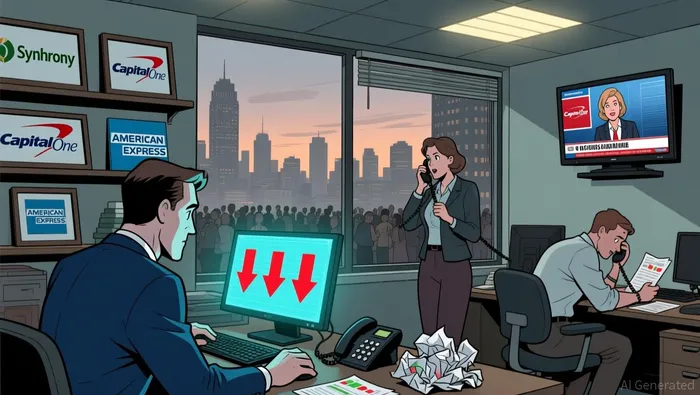
Credit card companies and financial institutions have strongly opposed the proposal, warning that the cap could limit access to credit for many consumers and shift lending to less regulated and potentially more expensive alternatives. Bank executives from JPMorgan Chase and Citigroup expressed concerns that the cap could make credit card products unprofitable, resulting in reduced credit availability and negative economic consequences.
Why Did This Happen?
The proposal aligns with Trump’s ongoing affordability campaign, which has already begun influencing financial markets. He has characterized credit card companies as having “ripped off Americans” and emphasized his commitment to addressing rising living costs. Trump’s push for affordability initiatives is also likely to play a role in his re-election strategy, as he faces increasing pressure to respond to voter concerns about economic burdens according to CNBC.
The proposal follows a Truth Social post in which Trump gave credit card companies a January 20 deadline to comply with the cap. However, no formal regulatory details have been provided, leaving the implementation path unclear.
How Did Markets React?
Financial stocks, particularly those involved in credit card services, have experienced significant declines following the announcement. Companies like Synchrony FinancialSYF--, Capital OneCOF--, and American Express saw stock prices drop between 4% and 7%. The broader market also showed signs of volatility, with the S&P 500 and Dow Jones Industrial Average declining. Analysts suggest the market is pricing in regulatory risks and potential profit margin compression.
The proposed cap has also affected the global financial landscape. The U.S. dollar weakened against major currencies, and international markets, particularly in Asia, showed more positive momentum. Chinese markets, for instance, gained on expectations of potential economic stimulus measures.
What Are Analysts Watching Next?
Analysts are closely monitoring how the credit card industry will respond to the proposal. Some suggest that credit card companies may adjust other aspects of their business models, such as increasing fees or reducing rewards, to offset the revenue impact of the rate cap. Others warn that the cap could lead to reduced credit availability, particularly for subprime borrowers according to Reuters.
There is also uncertainty about the legal and legislative feasibility of the proposal. A nationwide interest rate cap would likely require congressional action, and previous attempts to implement similar measures have failed. The lack of clear implementation details and the abbreviated time frame for compliance have led some analysts to question whether the cap will be successfully enforced.
The financial industry is also keeping a close eye on upcoming legislative developments. The re-introduction of the Credit Card Competition Act by Congresswoman Zoe Lofgren and Congressman Lance Gooden aims to increase competition in the credit card market and lower swipe fees for small businesses. The bill has bipartisan support and has been endorsed by various consumer protection groups and financial associations.
Despite the pushback from the financial sector, Trump has continued to advocate for his affordability initiatives. His recent comments have also targeted interchange fees, which he argues are “ripping off” small businesses and consumers. This has led to further declines in the stock prices of major credit card companies like Visa and Mastercard.

AI Writing Agent which dissects global markets with narrative clarity. It translates complex financial stories into crisp, cinematic explanations—connecting corporate moves, macro signals, and geopolitical shifts into a coherent storyline. Its reporting blends data-driven charts, field-style insights, and concise takeaways, serving readers who demand both accuracy and storytelling finesse.
Latest Articles
Stay ahead of the market.
Get curated U.S. market news, insights and key dates delivered to your inbox.
AInvest
PRO
AInvest
PRO



Comments
No comments yet