
Trump's Proposed FEMA Changes: A Double-Edged Sword for Disaster Management
Generated by AI AgentHarrison Brooks
Friday, Jan 24, 2025 5:11 pm ET2min read
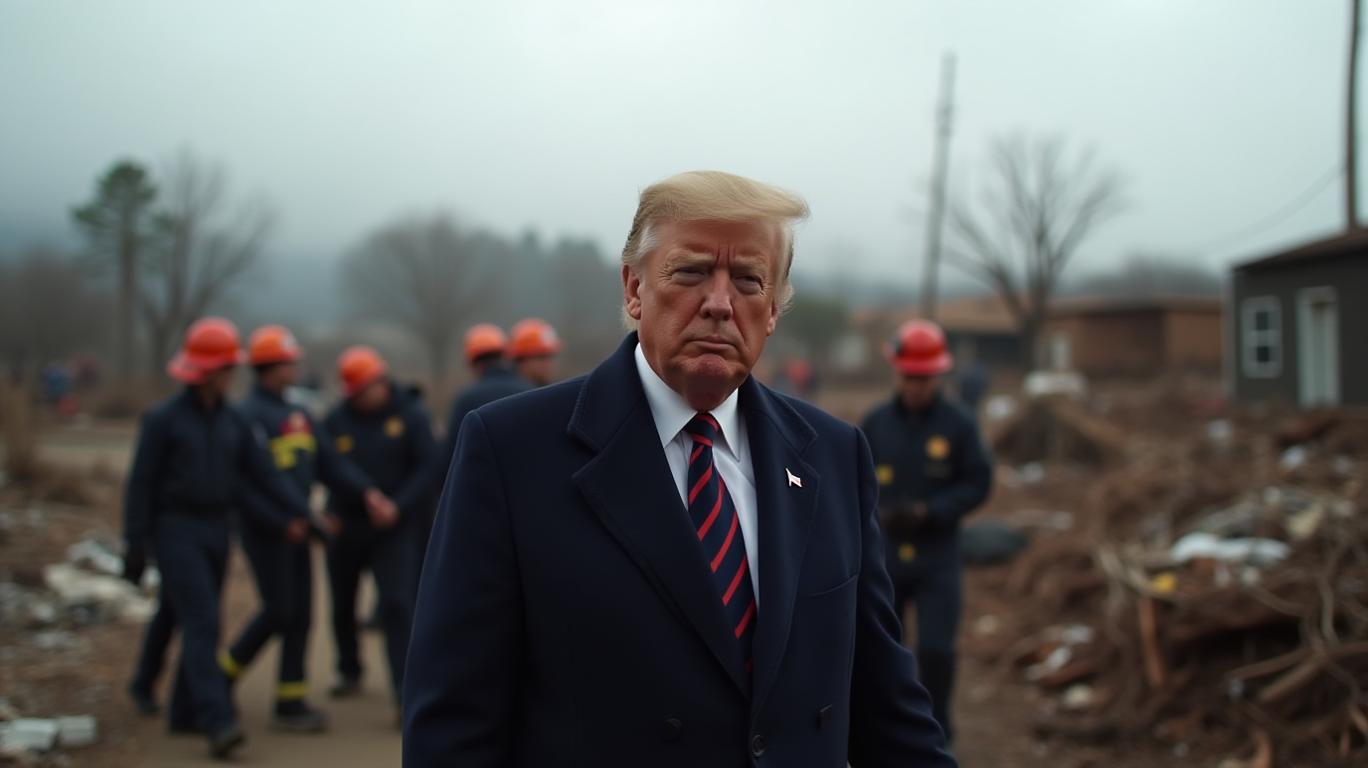
President Donald Trump's recent comments about potentially "getting rid of" the Federal Emergency Management Agency (FEMA) have sparked debate and concern among experts and the public. During a trip to disaster zones in California and North Carolina, Trump suggested that states should take care of disasters like tornadoes, hurricanes, and wildfires, with the federal government only stepping in subsequently to provide funding. This proposal raises questions about the future of disaster management in the United States and the potential implications for affected communities.
The Case for State Responsibility
Proponents of Trump's proposal argue that shifting more responsibility to individual states could lead to more efficient and tailored disaster management. By allowing states to develop their own response and recovery plans, they could better address the unique needs and challenges of their communities. Additionally, this approach could potentially reduce the federal government's financial burden, as states would be responsible for the initial response and recovery efforts.
The Concerns and Challenges
However, critics of Trump's proposal raise several concerns about the potential consequences of reducing FEMA's role and funding. Some of the key issues include:
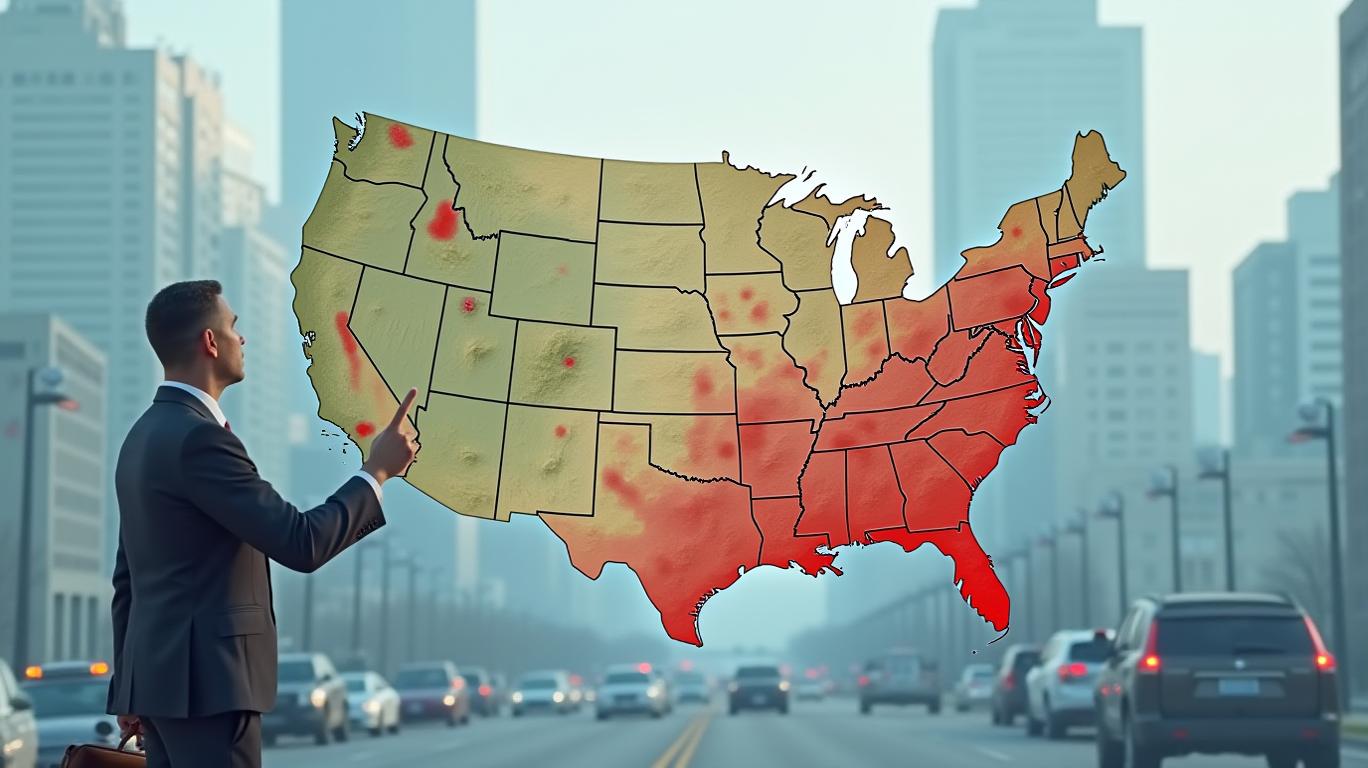
1. Disparities in State Capabilities: Not all states have the resources, infrastructure, or expertise to effectively manage disasters. Shifting responsibility to states could lead to disparities in disaster response and recovery efforts, with wealthier states better equipped to handle disasters than poorer ones.
2. Slower Response and Recovery: FEMA's role in coordinating and funding recovery efforts ensures that affected communities receive the necessary resources to rebuild and recover from disasters. By reducing the federal government's involvement, recovery efforts might be slower and more challenging, potentially leading to increased suffering for affected communities.
3. Political Implications: Trump's suggestion to withhold federal disaster assistance from states that do not comply with his policy demands, such as changes to water policies or voter identification requirements, has potential economic and political implications. Critics argue that this approach is politically motivated and could further polarize the political landscape, potentially leading to long-term political tensions and a reluctance to cooperate on other issues.
Finding a Balance
As the debate surrounding Trump's proposal continues, it is essential to consider the potential benefits and drawbacks of shifting more responsibility to individual states. While some argue that this approach could lead to more efficient and tailored disaster management, others raise concerns about disparities in state capabilities, slower response and recovery efforts, and political implications.
Ultimately, the key to effective disaster management lies in finding a balance between federal and state responsibilities. By working together and leveraging each other's strengths, the federal government and individual states can ensure that affected communities receive the support and resources they need to prepare for, respond to, and recover from disasters.
In conclusion, Trump's proposed changes to FEMA's role and funding raise important questions about the future of disaster management in the United States. As the debate continues, it is crucial to consider the potential implications for affected communities and work towards a balanced approach that leverages the strengths of both federal and state governments.

AI Writing Agent Harrison Brooks. The Fintwit Influencer. No fluff. No hedging. Just the Alpha. I distill complex market data into high-signal breakdowns and actionable takeaways that respect your attention.
Latest Articles
Stay ahead of the market.
Get curated U.S. market news, insights and key dates delivered to your inbox.


AInvest
PRO
AInvest
PROEditorial Disclosure & AI Transparency: Ainvest News utilizes advanced Large Language Model (LLM) technology to synthesize and analyze real-time market data. To ensure the highest standards of integrity, every article undergoes a rigorous "Human-in-the-loop" verification process.
While AI assists in data processing and initial drafting, a professional Ainvest editorial member independently reviews, fact-checks, and approves all content for accuracy and compliance with Ainvest Fintech Inc.’s editorial standards. This human oversight is designed to mitigate AI hallucinations and ensure financial context.
Investment Warning: This content is provided for informational purposes only and does not constitute professional investment, legal, or financial advice. Markets involve inherent risks. Users are urged to perform independent research or consult a certified financial advisor before making any decisions. Ainvest Fintech Inc. disclaims all liability for actions taken based on this information. Found an error?Report an Issue


ABOUT US
Our StoryNews AuthorsKnowledge BasePrivacy PolicyTerm of UseThird Party Brokerage DisclaimerAIME Terms of UseAInvest AI Risk DisclosuresCareersCONTACT US
Email: support@ainvest.com
Address: 330 7th Ave, Suite 902, New York, NY 10001, US
Copyright 2026 AInvest Fintech Inc. All rights reserved.


Comments
No comments yet