
Trump's Proposed $2,000 Tariff Dividend and Its Implications for U.S. Markets


 Aime Summary
Market Volatility: A Double-Edged Sword
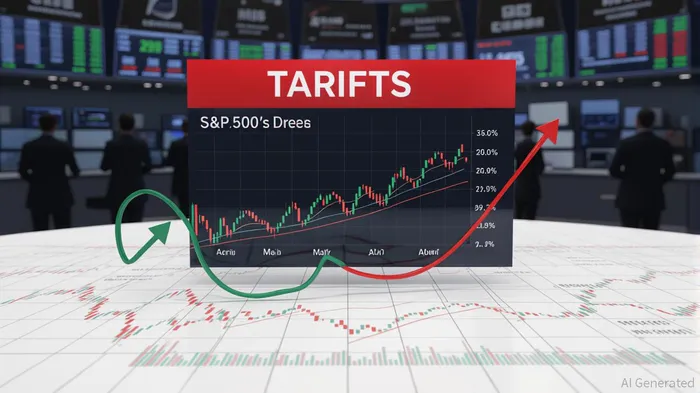
The Trump administration's aggressive tariff strategy has already triggered significant market turbulence. In April 2025, the S&P 500® Index plummeted 12% in a single week following a surge in tariff announcements, only to rebound with a historic 9.5% rally after a 90-day pause in escalations, according to a Janus Henderson analysis. This volatility has been mirrored by the Cboe Volatility Index (VIX), which spiked above 40 for six consecutive days-the highest level since the early 2000s, according to an Investopedia report. Analysts attribute this instability to the erratic nature of Trump's trade policies, where tariffs are frequently announced, delayed, or modified, creating a climate of unpredictability for investors and businesses alike, according to the Investopedia report.
Sector-Specific Impacts: Winners and Losers
The proposed dividend's economic implications vary sharply across sectors. Manufacturing has been a primary beneficiary of Trump's tariffs, which aim to incentivize domestic production. Treasury Secretary Scott Bessent argues that tariffs could generate $500 billion annually, with a portion allocated to tax cuts and infrastructure investments, according to an AOL article. However, this strategy has backfired in retail, where businesses have passed on rising import costs to consumers, exacerbating inflationary pressures, according to a Seeking Alpha report.
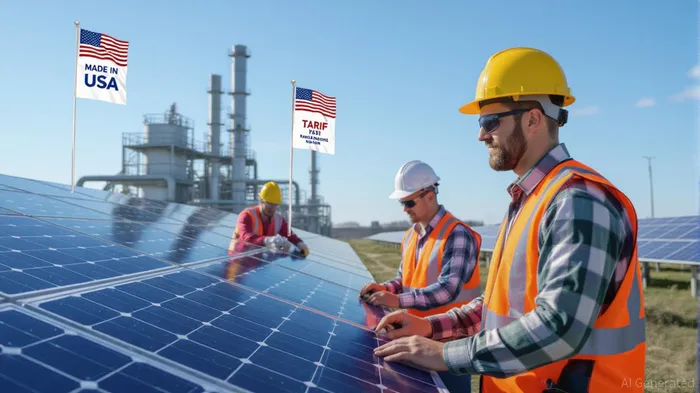
The energy sector faces a particularly complex challenge. Tariffs on steel, aluminum, and copper-critical materials for renewable energy infrastructure-have increased construction costs for wind and solar projects by 50%, according to a Velaw report. Additionally, Trump's 10–35% tariffs on energy imports from Canada and Mexico have disrupted supply chains, raising electricity bills for households and delaying clean energy transitions, according to an Evergreen Action blog. For example, the administration's 50% tariff on copper imports has created shortages for transformers, a key component of the U.S. grid, according to the Velaw report.
Legal and Political Uncertainty
The dividend proposal's fate remains uncertain. The Supreme Court's upcoming ruling on the tariffs' legality could invalidate the funding mechanism entirely, leaving the $2,000 payments in limbo, according to the Centersquare article. Meanwhile, congressional Republicans have criticized the plan as fiscally impractical, given the U.S. debt of $37 trillion, according to the AOL article. Treasury Secretary Bessent has acknowledged the need for legislative action but has not outlined a timeline.
Strategic Implications for Investors
For investors, the key takeaway is to balance short-term volatility with long-term resilience. Diversification into alternative assets like gold and sovereign bonds may mitigate risks, as suggested by analysts at Evelyn Partners. In the energy sector, companies with domestic supply chains or renewable energy expertise could outperform peers, while traditional retailers may struggle with inflationary headwinds, according to the Velaw report.
Conclusion
Trump's $2,000 tariff dividend represents a bold but precarious experiment in economic policy. While it aims to reward citizens and boost manufacturing, its success depends on navigating legal challenges, congressional gridlock, and global trade tensions. For markets, the path forward will likely involve continued volatility, with sector-specific winners and losers emerging as the policy landscape evolves.

Delivering real-time insights and analysis on emerging financial trends and market movements.
Latest Articles
Stay ahead of the market.
Get curated U.S. market news, insights and key dates delivered to your inbox.






Comments
No comments yet