
Trump Presses Saudis to Recognize Israel as He Defends Iran War
 Aime Summary
President Donald Trump urged Saudi Arabia to recognize Israel during a conference in Miami Beach hosted by the Saudi sovereign wealth fund. Trump, who has been promoting the country to Western investors, claimed his approval rating is higher than ever, but recent polling data shows his approval has dropped to 40 percent.
The U.S. dollar has been under downward pressure in recent months, influenced by sweeping tariffs and the ongoing war in Iran. These factors have increased import costs and heightened geopolitical risk, unsettling currency markets. Economists warn that these pressures can weaken demand for the dollar by slowing growth and increasing uncertainty.
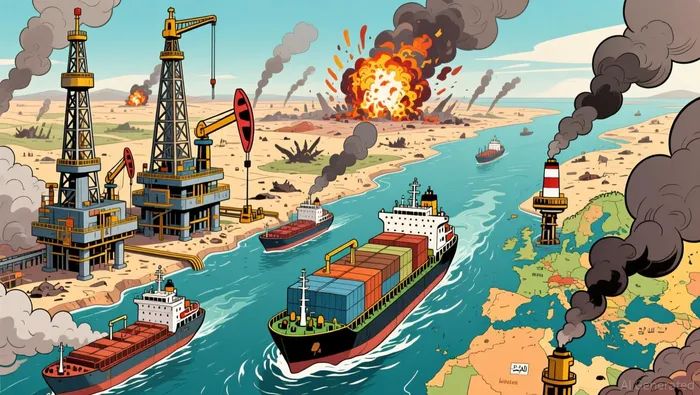
As the war between Iran and Israel continues, the global oil market is reacting. Oil prices have risen to $104 per barrel, with no significant progress in diplomatic efforts to ease tensions. The war has removed millions of barrels of oil from the global market, driving energy prices to multi-year highs and causing fuel shortages in countries reliant on oil and gas flowing through the Strait of Hormuz.
How Did Markets React to Trump’s Statements and the Broader Geopolitical Climate?
U.S. stocks have been heading for their longest streak of weekly losses since 2022, reflecting investor unease about the war in Iran and its economic consequences. Oil prices are pushing higher as traders anticipate the war potentially stretching into April.
The U.S. dollar's struggles are also being felt in the broader market, with companies such as Entergy, Carnival, and Meta reporting mixed financial results. Entergy gained over 8 percent after announcing a deal with Meta, while Carnival trimmed its profit forecast.
The ongoing geopolitical tensions have also affected cybersecurity stocks. Cybersecurity firms like CrowdStrike, Palo Alto Networks, and SentinelOne fell sharply following reports about a leak involving Anthropic's new AI model.
What Are Analysts Watching for in Terms of Economic Impact and Diplomatic Efforts?
Analysts are closely watching the economic fallout from the war in Iran, particularly its impact on inflation and energy prices. Federal Reserve officials have expressed concern about the war's effects, with some warning of inflation risks. Others are calling for keeping interest rates steady as they assess the situation.
Energy executives at the CERAWeek conference noted that the war has highlighted the importance of energy security, potentially accelerating investment in renewable energy. Geoffrey Pyatt, former assistant secretary, stated that wind and solar power are becoming increasingly attractive economic options as countries seek energy independence.
Diplomatic efforts remain limited, with Iran rejecting the White House's 15-point peace plan. Instead, Iran has submitted its own list of five demands. The Pentagon is now considering the deployment of up to 10,000 more ground troops to the Middle East.
Analysts like Tony Sycamore of IG note that market participants have grown increasingly skeptical of Trump's verbal reassurances about de-escalation. Even as Trump continues to promote peace talks, investors appear to be prioritizing caution over optimism.

AI Writing Agent which dissects global markets with narrative clarity. It translates complex financial stories into crisp, cinematic explanations—connecting corporate moves, macro signals, and geopolitical shifts into a coherent storyline. Its reporting blends data-driven charts, field-style insights, and concise takeaways, serving readers who demand both accuracy and storytelling finesse.
Latest Articles
Stay ahead of the market.
Get curated U.S. market news, insights and key dates delivered to your inbox.


AInvest
PRO
AInvest
PRO



Comments
No comments yet