
Trump's policies mirror Biden's, both face inflation backlash


 Aime Summary
Trump's administration is increasingly mirroring Joe Biden's approach to managing inflation, with both leaders facing criticism for downplaying price pressures while implementing policies that economists argue exacerbate costs for consumers. The parallels have drawn scrutiny from analysts, who note that Trump's tariff-driven strategy and Biden's early dismissal of inflationary risks have led to similar political challenges.
Consumer prices rose from a 2.3% annual increase in April 2024 to 3% by September after Trump imposed sweeping tariffs, a move that Gene Sperling, a senior Biden adviser, linked to "erratic policy" that shifted blame for rising costs onto foreign producers. Meanwhile, Trump's recent decision to cut tariffs on agricultural imports like coffee, beef, and bananas aims to curb grocery price spikes, a reversal from his earlier "drill baby drill" rhetoric according to CNBC. 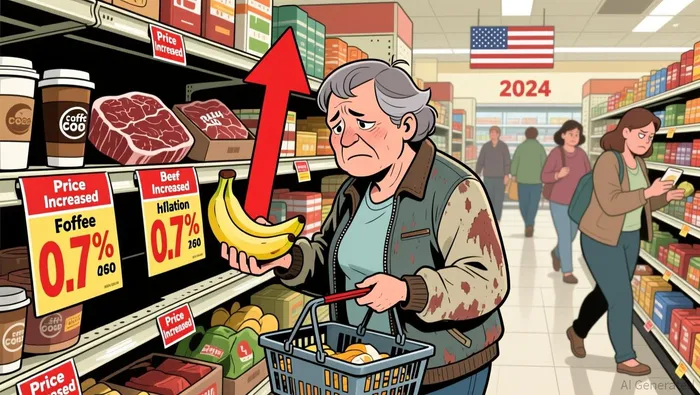 The shift follows growing public frustration over food costs, with Democrats capitalizing on affordability issues in recent elections.
The administration's efforts to address inflation extend beyond tariffs. Trump has proposed distributing $2,000 dividend checks to Americans using tariff revenue, a plan economists warn is fiscally unsustainable given the scale of national debt and the fact that many tariff costs have already been passed to consumers according to Business Insider. Treasury Secretary Scott Bessent has hinted at alternative uses for the funds, though the administration has not clarified specifics according to Business Insider.
Trump's policies have also clashed with Biden-era consumer protections. The Department of Transportation recently scrapped a rule requiring airlines to compensate passengers for delayed flights, a Biden initiative critics argued would have incentivized improved on-time performance according to Forbes. The move aligns with broader deregulatory efforts, including the revocation of Biden's ban on drilling in Alaska's National Petroleum Reserve, which environmental groups say threatens fragile ecosystems according to Business Standard.
While Trump touts his policies as job creators, critics highlight unintended consequences. For instance, his mass deportation plans have been linked to higher construction costs due to reduced labor availability in immigrant-heavy sectors according to AP News. Similarly, the Trump Organization's record-high request for 184 foreign workers in 2025 underscores a disconnect between the administration's rhetoric on reducing dependence on foreign labor and its own practices.
The administration's mixed approach has drawn comparisons to Biden's early tenure, when officials downplayed inflation despite surging prices. Michael Strain, director of economic policy studies at the American Enterprise Institute, noted both presidents have "played down inflation as a problem" while prioritizing other economic indicators according to AP News. This pattern has led to comparable public backlash: 67% of U.S. adults disapprove of Trump's handling of the economy, mirroring Biden's struggles with inflation during his first term according to AP News. For now, the administration's strategy remains a balancing act between political messaging and the realities of a cost-of-living crisis that shows no sign of abating.

Stay ahead of the market.
Get curated U.S. market news, insights and key dates delivered to your inbox.


AInvest
PRO
AInvest
PRO



Comments
No comments yet