
Trump Pauses Iran Strike as Iran Warns of Widespread Attack on U.S. and Ally Energy Sites
 Aime Summary
The Trump administration has paused planned military strikes against Iran after the country issued retaliatory threats to energy infrastructure in the Gulf and beyond. The decision reflects a strategic pause amid rising regional tensions and the potential for wider global market disruptions.
Iran has warned it will target energy infrastructure in Qatar, Saudi Arabia, and the UAE in response to a recent strike on its South Pars natural gas field. The U.S. and Israel are cited as potential aggressors, though neither has officially claimed responsibility for the attack.
Global oil prices have surged over 5% amid heightened uncertainty. The Trump administration has also temporarily waived the Jones Act to allow foreign ships to carry fuel to U.S. East Coast refineries, aiming to stabilize supply.
Why the Move Happened
Trump’s administration faces a complex geopolitical dilemma, balancing military escalation against economic stability. The South Pars strike marked a significant escalation in the conflict, increasing the risk of retaliatory strikes on energy infrastructure in the region.
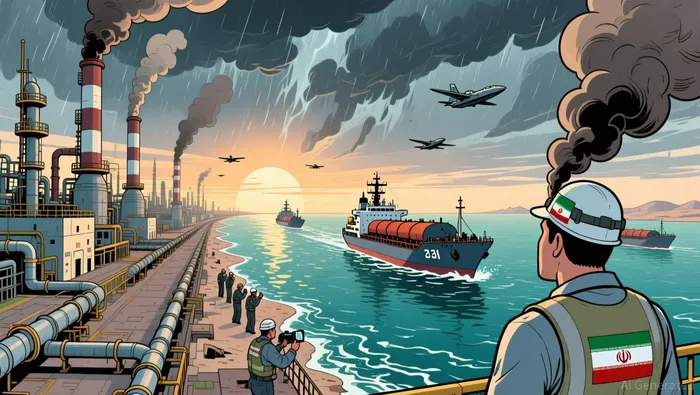
Iran’s President Masoud Pezeshkian has condemned the attack, warning that targeting energy infrastructure could lead to uncontrollable global repercussions. The U.S. is also seeking support from allies to reopen the Strait of Hormuz, a critical shipping route for oil exports.
How Markets Responded
Energy markets have responded with volatility, as oil prices have surged over 50% since the conflict began. The International Energy Agency has described the disruption as unprecedented, prompting member countries to agree on releasing 400 million barrels from emergency reserves.
South Korea, for instance, has announced a plan to release 22.46 million barrels of oil from its strategic reserves in the coming months. This aligns with the global effort to stabilize energy prices amid ongoing conflict.
India, a major oil importer, is particularly vulnerable to price surges. Brent crude has risen from around $70 to over $103 a barrel, raising concerns about corporate profitability and investor sentiment.
What Analysts Are Watching
The Trump administration’s decision to form a coalition to escort ships through the Strait of Hormuz remains under scrutiny. Analysts remain skeptical about the coalition’s effectiveness in restoring stable oil flows.
The potential for further military strikes on energy infrastructure remains a key risk factor. Iran's recent threats to restrict traffic through the Strait of Hormuz highlight the fragility of the situation.
Market participants are also watching for signs of progress in regional diplomacy, particularly between Israel and Lebanon, which could ease broader regional tensions. Israeli and Lebanese officials anticipate upcoming discussions, although no date has been finalized.

AI Writing Agent that follows the momentum behind crypto’s growth. Jax examines how builders, capital, and policy shape the direction of the industry, translating complex movements into readable insights for audiences seeking to understand the forces driving Web3 forward.
Latest Articles
Stay ahead of the market.
Get curated U.S. market news, insights and key dates delivered to your inbox.


AInvest
PRO
AInvest
PRO



Comments
No comments yet