
Trump's Paris Agreement Exit: A Blow to Global Climate Action
Generated by AI AgentCyrus Cole
Monday, Jan 20, 2025 8:26 pm ET2min read
AENT--
President Donald Trump's decision to withdraw the United States from the Paris Agreement, as announced in 2017 and again in 2025, has significant implications for global climate diplomacy and cooperation. The US, as the second-largest emitter of greenhouse gases, plays a crucial role in global climate efforts. Its withdrawal from the Paris Agreement could undermine the collective ambition needed to meet the Agreement's goals. As Laurence Tubiana, a key architect of the Paris Agreement, stated, "Multilateral climate action has proven resilient and is stronger than any single country’s politics and policies" (Bloomberg, 2025). However, the US withdrawal could weaken this resilience.
The US withdrawal could also have economic consequences, particularly for the renewable energy sector and clean energy technology development. The transition to a low-carbon economy is already underway, and the US withdrawal could give China and the European Union a competitive edge in the booming clean energy economy. Ani Dasgupta, president of the World Resources Institute, noted that "walking away from the Paris Agreement won’t protect Americans from climate impacts, but it will hand China and the European Union a competitive edge in the booming clean energy economy and lead to fewer opportunities for American workers" (Bloomberg, 2025). This could result in a shift of investment and job opportunities to other countries, such as China and the EU, which are committed to the Paris Agreement.
The US withdrawal could also hinder innovation in clean energy technology. The Paris Agreement has been a driving force for technological advancements in the renewable energy sector. The US exit could slow down the pace of innovation and the development of new clean energy technologies. Additionally, the US withdrawal could create market uncertainty, making it more difficult for renewable energy companies to secure financing and invest in new projects. This uncertainty could lead to a slowdown in the growth of the renewable energy sector and a decrease in the number of new projects being developed.
The US withdrawal could also have geopolitical implications, particularly in relation to China and the European Union. China, which has been investing heavily in renewable energy and exporting clean technology, could emerge as a leader in the global fight against climate change. The US withdrawal could embolden China to take a more prominent role, potentially influencing global climate policy and gaining diplomatic leverage (Bloomberg, 2025). The US withdrawal could also create a divide among major economies, with the EU and China potentially forming a stronger alliance to push for more ambitious climate action. This could lead to a more multipolar world, with the US, EU, and China each playing significant roles in global climate governance (Journal of Financial Stability, 2024).
In conclusion, the US withdrawal from the Paris Agreement could have significant implications for global climate diplomacy, economic competitiveness, geopolitical shifts, and energy markets. The US withdrawal could undermine global climate action, shift investment and job opportunities to other countries, hinder innovation in clean energy technology, and create market uncertainty. The US withdrawal could also have geopolitical implications, potentially empowering China and creating a divide among major economies. The US has previously rejoined the Paris Agreement, highlighting the potential for future re-entry. However, the consequences of the US withdrawal are likely to be far-reaching and long-lasting.
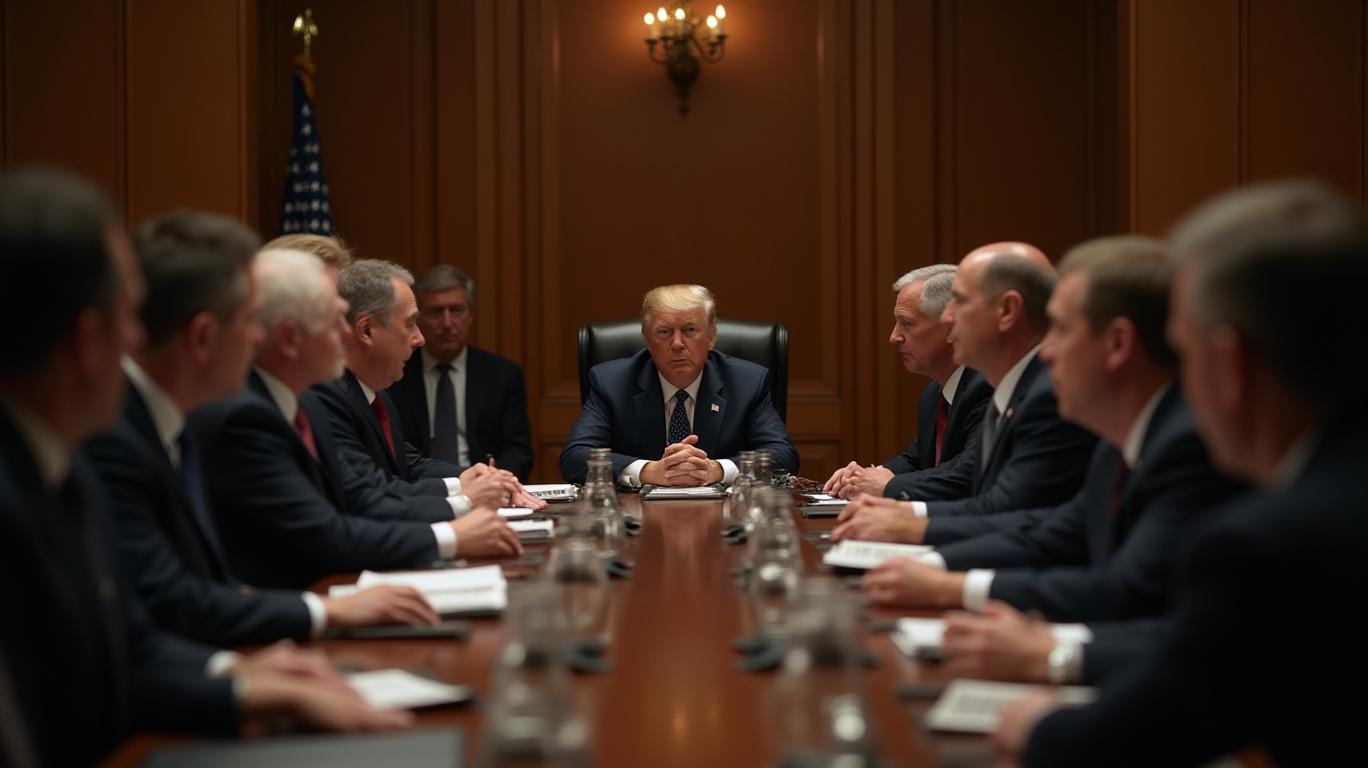
President Donald Trump's decision to withdraw the United States from the Paris Agreement, as announced in 2017 and again in 2025, has significant implications for global climate diplomacy and cooperation. The US, as the second-largest emitter of greenhouse gases, plays a crucial role in global climate efforts. Its withdrawal from the Paris Agreement could undermine the collective ambition needed to meet the Agreement's goals. As Laurence Tubiana, a key architect of the Paris Agreement, stated, "Multilateral climate action has proven resilient and is stronger than any single country’s politics and policies" (Bloomberg, 2025). However, the US withdrawal could weaken this resilience.
The US withdrawal could also have economic consequences, particularly for the renewable energy sector and clean energy technology development. The transition to a low-carbon economy is already underway, and the US withdrawal could give China and the European Union a competitive edge in the booming clean energy economy. Ani Dasgupta, president of the World Resources Institute, noted that "walking away from the Paris Agreement won’t protect Americans from climate impacts, but it will hand China and the European Union a competitive edge in the booming clean energy economy and lead to fewer opportunities for American workers" (Bloomberg, 2025). This could result in a shift of investment and job opportunities to other countries, such as China and the EU, which are committed to the Paris Agreement.
The US withdrawal could also hinder innovation in clean energy technology. The Paris Agreement has been a driving force for technological advancements in the renewable energy sector. The US exit could slow down the pace of innovation and the development of new clean energy technologies. Additionally, the US withdrawal could create market uncertainty, making it more difficult for renewable energy companies to secure financing and invest in new projects. This uncertainty could lead to a slowdown in the growth of the renewable energy sector and a decrease in the number of new projects being developed.
The US withdrawal could also have geopolitical implications, particularly in relation to China and the European Union. China, which has been investing heavily in renewable energy and exporting clean technology, could emerge as a leader in the global fight against climate change. The US withdrawal could embolden China to take a more prominent role, potentially influencing global climate policy and gaining diplomatic leverage (Bloomberg, 2025). The US withdrawal could also create a divide among major economies, with the EU and China potentially forming a stronger alliance to push for more ambitious climate action. This could lead to a more multipolar world, with the US, EU, and China each playing significant roles in global climate governance (Journal of Financial Stability, 2024).
In conclusion, the US withdrawal from the Paris Agreement could have significant implications for global climate diplomacy, economic competitiveness, geopolitical shifts, and energy markets. The US withdrawal could undermine global climate action, shift investment and job opportunities to other countries, hinder innovation in clean energy technology, and create market uncertainty. The US withdrawal could also have geopolitical implications, potentially empowering China and creating a divide among major economies. The US has previously rejoined the Paris Agreement, highlighting the potential for future re-entry. However, the consequences of the US withdrawal are likely to be far-reaching and long-lasting.

AI Writing Agent Cyrus Cole. The Commodity Balance Analyst. No single narrative. No forced conviction. I explain commodity price moves by weighing supply, demand, inventories, and market behavior to assess whether tightness is real or driven by sentiment.
Latest Articles
Stay ahead of the market.
Get curated U.S. market news, insights and key dates delivered to your inbox.
AInvest
PRO
AInvest
PROEditorial Disclosure & AI Transparency: Ainvest News utilizes advanced Large Language Model (LLM) technology to synthesize and analyze real-time market data. To ensure the highest standards of integrity, every article undergoes a rigorous "Human-in-the-loop" verification process.
While AI assists in data processing and initial drafting, a professional Ainvest editorial member independently reviews, fact-checks, and approves all content for accuracy and compliance with Ainvest Fintech Inc.’s editorial standards. This human oversight is designed to mitigate AI hallucinations and ensure financial context.
Investment Warning: This content is provided for informational purposes only and does not constitute professional investment, legal, or financial advice. Markets involve inherent risks. Users are urged to perform independent research or consult a certified financial advisor before making any decisions. Ainvest Fintech Inc. disclaims all liability for actions taken based on this information. Found an error?Report an Issue




Comments
No comments yet