
Trump Orders 30%-80% Drug Price Cuts, Targets Pharma Industry
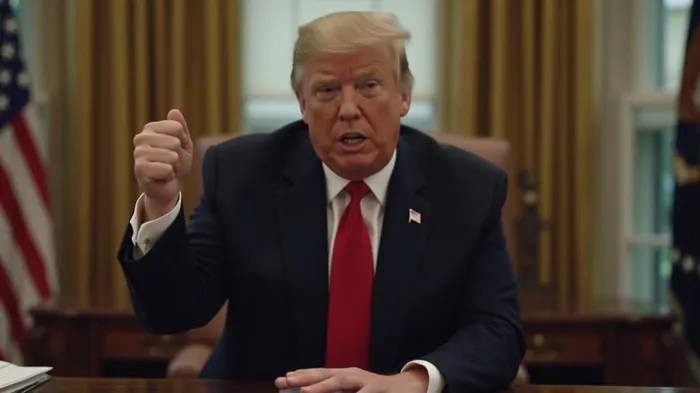
On Sunday, U.S. President Donald Trump announced that he would sign an executive order on Monday to immediately reduce prescription drug and medicine prices in the United States by 30% to 80%. Trump criticized the high cost of drugs in the U.S. compared to other developed countries, stating that he would implement a "most-favored-nation" policy to align drug prices with the lowest prices in other nations. This sudden move has significant implications for the pharmaceutical industry, particularly for companies focused on innovative drugs.
The announcement comes as a shock to the pharmaceutical sector, which has long been a target of Trump's criticism regarding high drug prices. The proposed executive order aims to address the disparity in drug costs between the U.S. and other developed countries. By implementing a "most-favored-nation" policy, Trump seeks to ensure that Americans pay no more for medications than what is charged in countries with lower drug prices. This policy could potentially force pharmaceutical companies to lower their prices significantly to remain competitive in the U.S. market.
Trump expressed his frustration with the current system, stating that pharmaceutical companies have long justified high drug prices as necessary for research and development costs. He argued that these costs have been unfairly borne by American consumers, and that this situation needs to change. "We're going to get our country treated fairly, and our citizens' medical costs are going to be reduced in unprecedented numbers," Trump wrote in his post. "Additionally, and most importantly, the United States is going to save tens of billions of dollars."
The impact of this policy on the pharmaceutical industry could be profound. Companies that rely heavily on high drug prices to fund research and development may face financial challenges. Innovative drug concepts, which often come with high price tags due to the extensive research and clinical trials involved, could be particularly affected. The industry may need to rethink its pricing strategies and explore alternative funding models to sustain innovation.
Trump's announcement also highlights the broader issue of healthcare costs in the U.S. High drug prices are just one component of the overall healthcare expenditure, which is a significant concern for many Americans. The proposed executive order is part of a broader effort by the Trump administration to address healthcare affordability. By reducing drug prices, the administration aims to alleviate the financial burden on patients and improve access to essential medications.
Last month, Trump signed another executive order to standardize the payment of prescription drugs under Medicare, including those used to treat cancer patients, regardless of where they receive treatment. The White House stated at the time that this order could reduce drug prices for patients by up to 60%. The latest announcement builds on this effort, further emphasizing the administration's commitment to lowering healthcare costs.
The pharmaceutical industry will likely respond to this development with a mix of resistance and adaptation. Companies may challenge the legality of the executive order or seek exemptions for certain drugs. Alternatively, they may explore new business models that focus on value-based pricing, where the cost of a drug is tied to its effectiveness and patient outcomes. This shift could lead to a more sustainable healthcare system that balances innovation with affordability.
In summary, Trump's announcement to reduce drug prices by up to 80% through an executive order has sent shockwaves through the pharmaceutical industry. The proposed "most-favored-nation" policy aims to align U.S. drug prices with the lowest prices in other developed countries, potentially forcing significant price reductions. The impact on innovative drug concepts and the broader healthcare system remains to be seen, but the industry will need to adapt to this new regulatory environment to ensure continued innovation and access to essential medications.

Stay ahead of the market.
Get curated U.S. market news, insights and key dates delivered to your inbox.


AInvest
PRO
AInvest
PRO



Comments
No comments yet